The Ergonomic Seat

Sofia Alvarez
| 25-05-2026
 · Automobile team
Long-distance driving puts the human body under sustained, low-level stress that most people don't notice until the second or third hour — and by then, the back pain, neck tension, and reduced concentration are already in progress.
Car seat ergonomics is the engineering discipline that tries to prevent all of that, and its impact on driver fatigue is more significant than most people realize.
What the Spine Needs
The fundamental goal of an ergonomic car seat is to maintain the spine's natural S-curve while seated. When the lower back loses that curve — which happens when a seat doesn't support it properly — the muscles of the lumbar region work continuously to compensate, generating fatigue and eventually pain.
Lumbar support fills the gap between the lower spine and the seatback, maintaining the natural inward curve without forcing muscles to hold it. This is why adjustable lumbar support has become one of the most important features in modern car seats: it lets drivers fine-tune the position to their specific back geometry rather than accepting a fixed design.
Several configurations exist. Built-in contoured lumbar support is integrated into the seat structure. Power-adjustable systems allow drivers to physically move a section of the seatback forward or backward, inch by inch. Inflatable lumbar support uses air bladders that can be pressurized or deflated to adjust firmness and shape.
For those with pre-existing conditions like herniated discs, the ability to dial in precise support isn't a comfort preference — it's a clinical necessity for managing a long drive without causing injury.
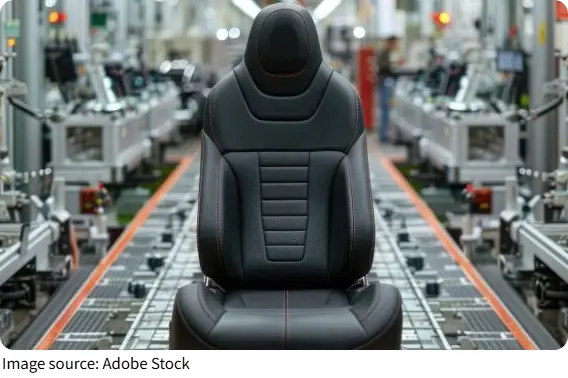
The Full Setup Matters
Lumbar support doesn't work in isolation. Seat height, seat distance from the pedals, seatback angle, and headrest positioning all interact to determine whether a driver's entire posture is aligned or gradually collapsing.
The standard guidance from ergonomics specialists is clear: hips should be level with or slightly above the knees, the seatback angle should sit between 100 and 110 degrees, knees should remain slightly bent when the pedals are fully depressed, and the headrest should be positioned no more than two inches from the back of the head.
When the setup is wrong — seat too far back forcing a lean, headrest too high causing a forward head position, armrests forcing the shoulders upward — the muscles of the neck, shoulders, and lower back all engage to compensate, and they fatigue over time. Getting the geometry right is what allows muscles to relax rather than brace continuously.
Cushion Materials and Circulation
The materials in a car seat's cushioning directly affect blood circulation and heat during long drives. High-density memory foam contours to body shape and distributes pressure more evenly than conventional foam, reducing the buildup of pressure points under the thighs and tailbone that causes numbness on longer trips.
Breathable materials help manage heat and moisture, which matters more than it sounds — thermal discomfort is a documented contributor to driver fatigue. Ventilated and heated seat options in modern vehicles address this directly.
Electric Vehicles and New Priorities
Electric vehicles are pushing seat ergonomics further. Quieter cabins make interior comfort more noticeable, and the longer range of newer EVs encourages longer trips. Manufacturers are investing more in massage functions, dynamic seat adjustment that shifts position slightly over time to vary pressure distribution, and AI-driven systems that monitor driver posture and suggest real-time adjustments.
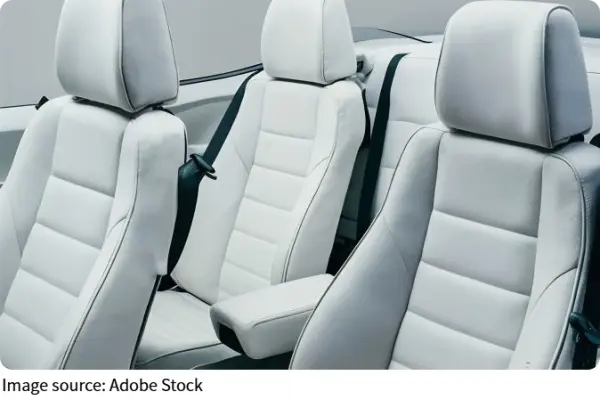
Proper car seat ergonomics isn't about luxury – it's about preventing fatigue and pain on long drives. Maintain your spine's natural S-curve with adjustable lumbar support. Set seat height so hips are level with or above knees. Keep seatback angle between 100 and 110 degrees. Position the headrest within two inches of your head. High-density memory foam and breathable materials improve circulation and reduce numbness.
Even with advanced massage and AI features in newer EVs, the underlying goal remains the same: keep the driver comfortable, supported, and alert for as long as possible.