Zimbabwe: Edge-of-Map Magic

Raghu Yadav
| 22-05-2026
 · Travel team
Friends, chasing big skies and bigger landscapes? Zimbabwe delivers: thundering falls, granite citadels, cratered highlands, and wildlife-filled savannah.
This guide keeps it practical—clear routes, realistic costs, and short, info-dense stops—so you spend time exploring, not guessing.
When To Go
Dry season (May–Oct) means easier game viewing and clear skies; green season (Nov–Apr) brings lush scenery and lower rates. Expect mid-range rooms at $70–$140 per night; guesthouses $35–$60. Self-drive is common (sedan works for major routes; 4×4 recommended for remoter parks). Fuel is easier to find along main corridors—top up often.
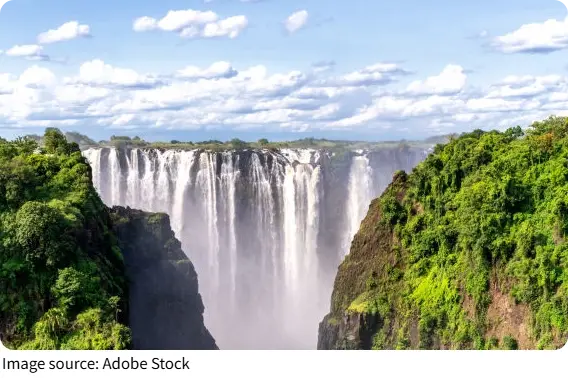
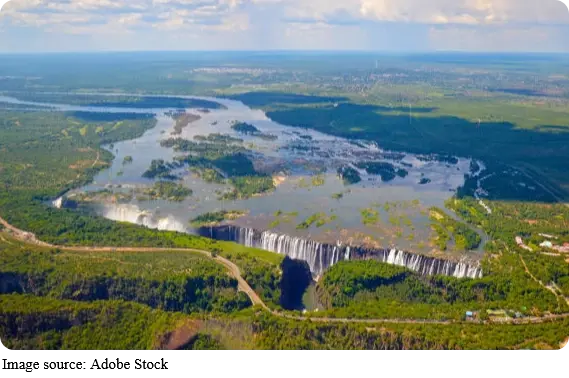
Victoria Falls
On the Zambezi’s edge, the park’s rainforest trail frames misty viewpoints. Entry on the Zimbabwe side typically ~ $30. Allow 2–3 hours, longer if you add a guided walk ($10–$20) or sunset boat ($35–$60). Stay within walking distance of the gate ($90–$180 mid-range). Pack a light rain jacket—spray is part of the fun.
Harare Highlights
Zimbabwe’s capital offers green suburbs, galleries, and craft markets. Budget $2–$5 for rideshare hops across town and $10–$20 for a short guided city tour. Cafés and casual restaurants run $6–$12 for mains. Good bases sit in the northern neighborhoods for quieter nights and easy access to highways heading west or east.
Bulawayo Base
Laid-back avenues, heritage architecture, and leafy streets make this a pleasant stop en route to the southwest parks. Comfortable stays range $50–$100. Use Bulawayo as your springboard to Matobo (45–60 minutes by car). Stock up at supermarkets here; choices thin as you head into the reserves.
Matobo Landscapes
Sculpted granite domes and rock art sites create a unique hiking playground. Park entry often $15–$20 per person; guides for rock art areas from ~$20. Walk short loops to balancing boulders or book a half-day wildlife drive ($40–$70 per person). Wear grippy shoes—slabs can be slick after brief showers.
Nyanga Highlands
Eastern high country brings cool air, waterfalls, and rolling moorland. Day hikes with a local guide typically $20–$35; entry around $10–$15. Base near Troutbeck or Nyanga village (lodges $60–$120). Even in the dry months, evenings are crisp—pack a warm layer and a lightweight rain shell.
Hwange Safaris
Zimbabwe’s largest reserve mixes teak woodland with open pans that draw wildlife in the dry season. Park fees commonly ~$20–$30 per person/day; guided game drives $40–$80 per person. Lodges range from $120–$300+ depending on inclusions. For self-drivers, early morning and late afternoon loops around pumped waterholes are gold.
Mutare Gateway
Cradled by the Bvumba and Nyanga ranges, Mutare is a practical base for eastern highlands trips. Expect guesthouses from $35–$70. Scenic roads link tea estates, forest viewpoints, and short nature trails (many free or <$10 access). Carry cash—ATMs can be patchy in smaller towns.
Masvingo & Ruins
Masvingo sits 20 km from the remarkable stone complexes of Great Zimbabwe. Site entry typically ~$15–$20; guides at the gate from $10–$20 enrich the visit. Allow 2–3 hours to explore the Hill Complex, Valley structures, and the sweeping stone walls of the Great Enclosure. Stay in Masvingo ($40–$90) or near Lake Mutirikwi.
Lake Mutirikwi
Granite hills and a quiet reservoir make this a relaxing add-on to Masvingo. Entry to the surrounding park often ~$10–$15; anglers pay extra for permits. Picnics on smooth rock slabs are a highlight. Basic lakeside chalets start around $40–$70; bring supplies—shops are limited.
Lake Mutirikwi
Chinhoyi Caves
A compact stop on the Harare–Chirundu route. The cobalt pool and limestone caverns are a photographer’s dream. Entry usually $10–$15; guided visits add $5–$10. Paths include stairs; bring water and sturdy footwear. One hour is sufficient unless you linger for multiple vantage points.
Mana Pools
Along the Zambezi floodplains, seasonal pans concentrate wildlife. Park fees commonly ~$20–$30/day. Guided drives or riverfront sundowner outings run $40–$80 per person. Access can be rough; many travelers fly in or book transfers from Kariba or Harare. Dry-season bookings fill fast—lock lodging months ahead.
Matusadona Shores
On Lake Kariba’s southern edge, boat safaris and shoreline drives offer relaxed viewing. Lodges range $100–$250+. Expect calm water cruises ($30–$50) and unhurried afternoons with wide lake horizons. If self-driving, check road conditions—seasonal tracks vary.
Gonarezhou Drama
Towering sandstone cliffs and broad riverbeds set a striking scene in the southeast. Entry typically ~$15–$20; guided drives $40–$70 per person. Campsites and select lodges exist, but distances are long—plan fuel, water, and recovery gear. Two to three nights reward the effort with crowd-free vistas.
Kariba Town
At the lake’s northern rim, Kariba pairs dam viewpoints with easy boat days. Sunset cruises usually $20–$35; half-day lake outings $40–$60. Lakeside hotels span $60–$140. Evenings are warm—pack light clothing and a hat for midday sun.
Logistics & Costs
Most parks accept card payments but carry cash as backup. Local SIM cards with data cost ~$5–$10. Intercity buses run $10–$25; private transfers vary by distance ($120–$300+ for long legs). Meals at mid-range restaurants average $6–$12. Tipping guides/drivers at 5–10% is appreciated.
Sample Week
Day 1 Harare arrival, city stroll.
Day 2–3 Drive to Hwange; evening and dawn game drives.
Day 4 Victoria Falls park walk + sunset boat.
Day 5 Fly or drive to Kariba; lake cruise.
Day 6 Chinhoyi Caves en route to Harare.
Day 7 Eastern Highlands day hike; overnight in Mutare.
Conclusion
Zimbabwe shines when you blend icons with quiet corners: a mist-soaked morning at the Falls, a granite-dome hike, and an unhurried pan at dusk. Which mix calls to you—highlands and ruins, or lakes and long game drives? Share your route and comfort level (self-drive or guided) so fellow Lykkers can fine-tune their own edge-of-map adventure.