Ukulele Care Guide

Santosh Jha
| 20-05-2026
 · Art team
If we enjoy playing a ukulele, we also need to learn how to take care of it properly. This small instrument may look simple, but it is made of wood that responds to its surroundings.
With the right habits, we can help it stay in good condition for a long time and even improve its sound quality step by step. In the following guide, we will go through four easy and practical tips that we can use in daily life.
Tip 1: Play Often to Keep the Instrument Active
One of the best ways we can care for a ukulele is simply to play it more often. Regular playing helps the strings stay flexible and allows the wooden body to slowly adjust to vibration. Over time, the sound becomes smoother and more open. When we keep playing, the instrument naturally “settles” into a better sound condition. This process is often described as sound opening, where vibration helps the wood respond more evenly. Even short daily practice sessions can make a noticeable difference. Instead of leaving it unused for long periods, we can treat it as a small daily companion for music.
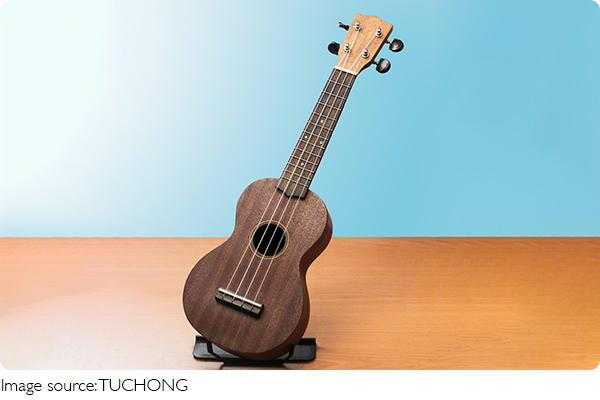
Tip 2: Store It Properly When Not in Use
When we are not playing, storage becomes very important. A ukulele should ideally be placed in a protective case or soft bag. This helps reduce exposure to dust and accidental impact. We should avoid placing it directly on the floor or leaning it against a wall for long periods. Small pressure changes or accidental bumps may affect its structure. Keeping it in a stable and safe place also helps maintain tuning stability.
A simple habit like returning it to its bag after use can already make a big difference in long-term care.
Tip 3: Keep It Away from Extreme Environmental Changes
Wood is sensitive to its surroundings, so we need to pay attention to where we keep the instrument. Strong sunlight can dry out the material too quickly, while very damp conditions may affect its shape and tone. We should also avoid placing it near heating sources or strong cooling airflow for long hours. Sudden temperature changes can make the wood expand or contract unevenly. A stable room environment is always better.
By keeping conditions balanced, we help the instrument maintain its natural structure. This stability supports both durability and sound quality over time.
Tip 4: Keep It Clean and Avoid Direct Moisture Contact
Another key point is keeping the instrument dry and clean. Before playing, it is better to make sure hands are clean and dry. If there is any moisture on the skin, it is good to wipe it off first. We should also avoid direct contact with water. Even small drops can affect the wood surface if they are not cleaned quickly. After playing, a soft dry cloth can be used to gently wipe the strings and body.
At the same time, regular playing actually helps balance the internal condition of the wood. Gentle vibration helps release extra moisture evenly, which can gradually improve tonal clarity. This natural adjustment process supports long-term sound development.
Daily Habits That Shape Better Sound
When we combine these habits—regular playing, proper storage, stable environment, and simple cleaning—the instrument gradually becomes more stable and expressive. Small daily actions often matter more than occasional intensive care.
We do not need complicated tools or special treatments. Consistency is the key. Over time, the sound becomes more balanced, and the instrument feels more responsive in our hands. It becomes part of our daily rhythm rather than just an object.

Taking care of a ukulele is not difficult. It is more about awareness and small habits. When we treat it gently and use it regularly, it rewards us with better tone and longer life.
Lykkers, what kind of sound do we enjoy most from a ukulele—bright and lively, or soft and warm? Share your thoughts and let’s keep exploring music together in simple and enjoyable ways!
Basic Ukulele Care Tips
Video by Heid Music Co.