Sky Cultures

Raghu Yadav
| 11-05-2026
 · Travel team
Look up at the night sky and it feels universal, like everyone is sharing the same view. Yet something surprising happens when you compare cultures. The stars stay the same, but the patterns, stories, and meanings change completely.
For Lykkers, this guide explores how star patterns differ across cultures and how you can start noticing these differences yourself in a way that feels both fun and meaningful. Constellations are not just about science. They are about imagination, tradition, and how people make sense of the world.
Different societies looked at the same sky but connected the dots in unique ways. Some saw heroes, others saw animals, and some saw tools or daily life scenes. Once you notice this, stargazing becomes less about memorizing names and more about discovering perspectives.
Why Star Patterns Are Not Universal
Before jumping into examples, it helps to understand why constellations vary so much. Stars do not come with labels or lines. Humans created those connections. That means culture, environment, and daily life all influence what people see.
The sky is the same, but imagination differs
If you look at a group of stars, your brain naturally tries to form a shape. This is a normal pattern-seeking behavior. But the shape you see depends on what feels familiar.
In some cultures, a group of stars might look like a hunter. In others, the same stars might resemble a bird or a farming tool. Neither is right or wrong. They are simply different interpretations.
You can test this easily. Next time you look at a star pattern, try imagining at least three different shapes. It may feel unusual at first, but it shows how flexible perception can be. Suddenly, the sky becomes more creative than fixed.
Daily life shapes what people see
Cultures often project their daily experiences onto the sky. Communities focused on farming might see tools, animals, or seasonal signs. Coastal communities might notice shapes related to navigation or sea life.
This makes constellations practical as well as symbolic. They were not just stories. They helped people track time, seasons, and directions.
When you think about this, constellations become more relatable. They are not distant or abstract. They are connected to everyday life. That connection makes them easier to remember and more meaningful.
Stories help patterns stick
A pattern alone can be hard to remember. But when it comes with a story, it becomes memorable. That is why many constellations are linked to myths or legends.
Different cultures created different stories for similar star groups. One might tell a tale of courage, while another tells a story about balance or change. These stories reflect values and beliefs.
You can use this idea yourself. Instead of trying to memorize star names, create a small story around a pattern you see. It does not need to be perfect. The goal is to make the pattern easier to recall.
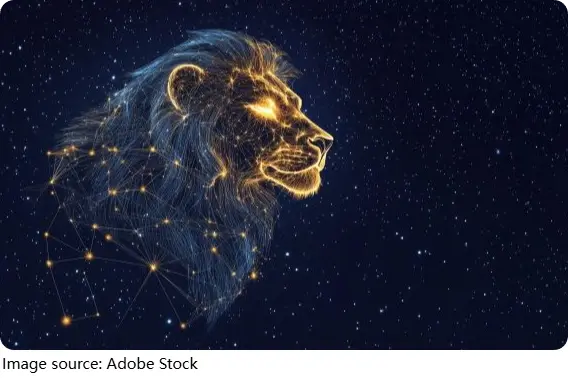
How to Explore Star Patterns Yourself
Understanding cultural differences is interesting, but it becomes even better when you try it yourself. Stargazing can be simple and enjoyable without needing advanced tools. You just need curiosity and a bit of patience.
Start with one familiar pattern
Pick a well-known constellation and observe it carefully. Notice the arrangement of stars and how they connect. Then try to imagine a different shape from the same points.
For example, a pattern that looks like a hunter could also resemble a kite, a ladder, or even a running animal. The goal is not accuracy but creativity.
This exercise helps you see how flexible constellations are. It also makes stargazing more engaging because you are actively participating instead of just observing.
Learn how different cultures describe it
Once you are familiar with a pattern, explore how different cultures interpret it. You may find that the same group of stars has completely different meanings.
This can be surprisingly fun. It feels like hearing multiple versions of the same story, each with its own twist. It also helps you appreciate how diverse human imagination can be.
You do not need to study everything at once. Even learning one alternative interpretation adds depth to your experience. The sky becomes richer and more layered.
Use simple observation habits
You do not need special equipment to enjoy the night sky. A clear evening and a bit of time are enough. Try stepping outside, letting your eyes adjust, and slowly scanning the sky.
Focus on one area at a time. Notice brightness, spacing, and shapes. Avoid rushing. The more relaxed you are, the more you will see.
You can also keep a small notebook or mental note of patterns you like. Over time, you will build your own map of the sky. It becomes personal, not just learned.
Create your own constellation story
One of the most enjoyable ways to connect with the sky is by creating your own constellation story. Pick a group of stars and imagine a shape and meaning for it.
Maybe it represents a journey, a moment, or even something playful. There are no strict rules. This is how many traditional constellations began.
Sharing your idea with friends or family can make it even more fun. Everyone will see something slightly different. That shared creativity turns stargazing into a social experience.
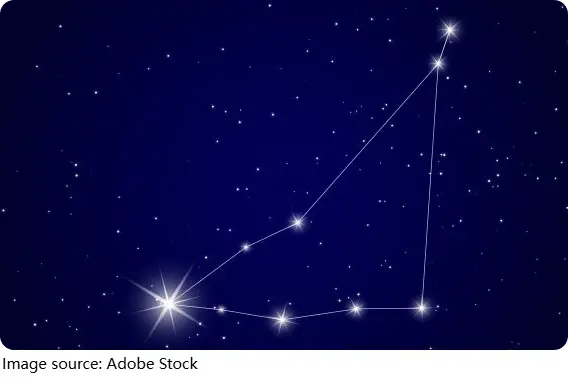
The stars may be the same everywhere, but the patterns and meanings people see are wonderfully different. By exploring how cultures interpret the sky and by creating your own connections, stargazing becomes more personal and engaging. It is not just about looking up, but about seeing with curiosity and imagination.