Dubrovnik Old

Eleanor
| 09-05-2026
 · Travel team
The first thing that hits isn't just the view—it's the texture of the place.
Stone streets that shine slightly from years of footsteps, narrow passages that suddenly open into bright squares, and a coastline that feels close enough to touch.
Old Town of Dubrovnik doesn't really behave like a modern city area. It feels preserved, almost paused, but still very much alive.
Walking Through the City Walls
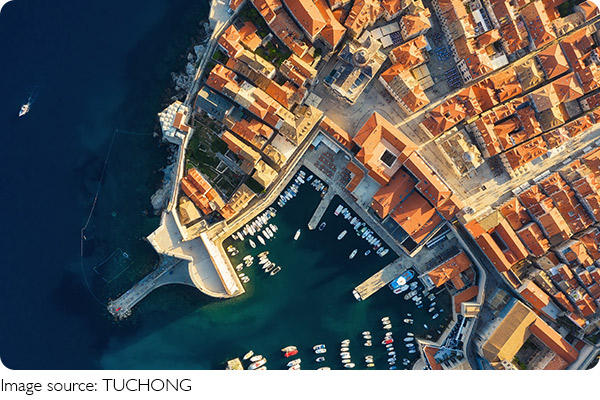
The walls are the most obvious starting point, and once you're up there, everything shifts. One side looks inward at orange rooftops packed tightly together, while the other side opens straight to the sea. The contrast is immediate—quiet stone interiors versus endless blue water.
Walking the full circuit takes time, not because it's difficult, but because you keep stopping. Every few steps, the angle changes enough that you want to look again.
Inside the Streets
Drop back down and the experience changes completely. The streets are narrow, almost maze-like in places. Some are shaded, others open suddenly into small squares with cafés or quiet corners where people just sit and watch.
There's a rhythm to moving through it:
1. Tight alleyways that guide your direction without signs
2. Open squares that feel like pause points
3. Small stairways connecting different levels of the city
4. Hidden side streets that feel slightly quieter than the main routes
It's easy to get a bit lost, but that's part of the experience. The city is designed in layers, not straight lines.
Old Town
Key Spots Worth Slowing Down For
A few places naturally stand out as you explore:
• Main Street (Stradun): wide, polished stone path running through the center
• Rector's Palace area: historic architecture with detailed stonework
• Old harbor: calmer water views and boats moving in and out
• Small courtyards: tucked-away spaces that feel unexpectedly quiet
Each area has its own pace. The main street feels active, while side areas slow things down again.
Getting There and Moving Around
Reaching the Old Town is straightforward:
• Bus: regular routes connect from surrounding districts
• Walking: possible if staying nearby coastal areas
• Taxi or ride services: convenient for direct access to city gates
Once inside, walking is the only real way to explore. The streets are pedestrian-focused, and the compact layout makes distances feel shorter than they look on a map.
Entry, Hours & Costs
• Entry: free for general access inside the Old Town
• City walls walk: around $35–$40 USD
• Museums and small sites: typically $8–$15 USD each
• Opening access: the Old Town is open throughout the day, while attractions follow individual schedules
The walls are usually the main paid experience, and most visitors consider them the highlight.
Where to Stay Nearby
Accommodation close to the Old Town varies a lot depending on how close you want to be:
• Budget stays: around $70–$120 USD per night
• Mid-range hotels: about $130–$220 USD per night
• Historic or boutique stays inside/near walls: $250 USD and above
Staying within walking distance makes early morning or late evening visits especially rewarding, when the streets are noticeably quieter.
Small Things That Make a Difference
• Early morning is the calmest time before crowds build up
• Comfortable shoes matter more than expected due to stone paths
• Side streets often feel more interesting than main routes
• Climbing the walls at a slower pace gives better views than rushing
Dubrovnik's Old Town doesn't rely on a single landmark moment. It works through atmosphere—stone, sea, light, and narrow space blending into each other. By the time you leave, it feels less like you've “seen” a place and more like you've moved through a carefully preserved layer of history that still quietly functions today.