Casablanca City

Chris Isidore
| 09-05-2026
 · Travel team
The first impression of Casablanca isn't about one single landmark—it's the overall rhythm.
Traffic moving along wide boulevards, ocean air drifting in from the coast, and buildings that shift between modern glass and older stone textures.
It feels like a city that's always in motion but still leaves space for pauses if you know where to look.
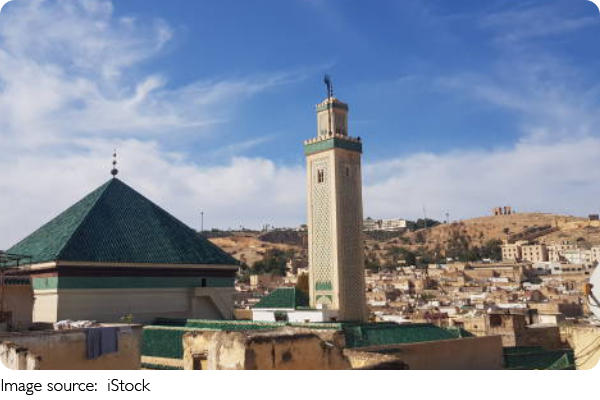
City by the Ocean
Casablanca sits right along the Atlantic, and that shape the entire mood of the city. The coastline isn't just for scenery—it's part of daily life. People walk along the waterfront in the late afternoon, when the light softens and the wind picks up slightly.
The ocean view here isn't dramatic in a postcard way. It's more subtle. Long stretches of sea, steady waves, and a horizon that seems to stretch farther the longer you look at it.
Architecture With Two Personalities
One of the most interesting things about the city is how different areas feel from each other. You can walk through a street with modern towers, then turn a corner and suddenly find older buildings with detailed surfaces and traditional design touches.
It creates a layered experience:
1. Modern districts with wide roads and clean lines
2. Older neighborhoods with tighter streets and more texture
3. Mixed zones where both styles sit side by side
4. Coastal areas that feel more relaxed and open
That contrast is part of what makes walking around feel unpredictable in a good way.
Casablanca
The Famous Coastal Landmark
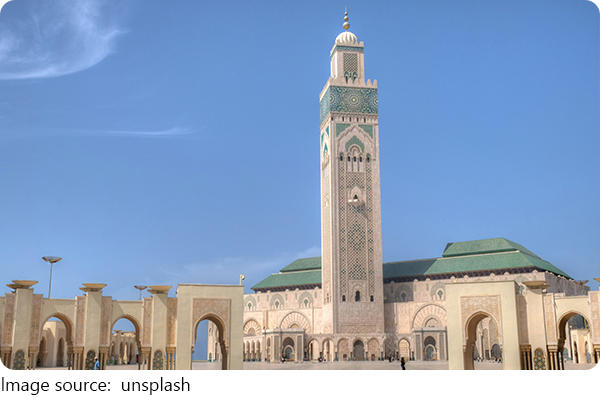
One of the most visited places is the large seaside mosque complex, known for its scale and detailed craftsmanship. It sits right above the water, making it feel connected to the ocean rather than separated from it.
Even if you're not focusing on architecture, the setting itself stands out—the sound of waves nearby, open sky above, and carefully arranged spaces that feel balanced and calm.
Getting Around the City
Casablanca is fairly easy to navigate once you understand the main routes:
• Tram: runs through major districts and connects key areas
• Taxi: widely available for short or direct trips
• Walking: useful in central neighborhoods and along the coast
• Train: connects to other major cities for longer travel
Distances can be longer than they look on a map, so mixing walking with tram or taxi is usually the most practical approach.
Food and Daily Rhythm
Food culture here is part of the everyday experience. Small cafés and local eateries are common across different districts. Many places serve simple, freshly prepared dishes that reflect regional cooking styles.
You'll notice that meals are often unhurried. People sit, talk, and take their time, especially in the late afternoon and evening when the city starts to cool down.
Where to Stay
Accommodation options vary depending on location and comfort level:
• Budget stays: around $40–$80 USD per night
• Mid-range hotels: about $90–$160 USD per night
• Higher-end hotels near the coast: $180–$300 USD per night
Staying near the coastline gives easier access to evening walks, while central districts make it simpler to explore different neighborhoods.
Practical Travel Notes
• Best time to explore: late afternoon into evening for softer light
• Transport: tram lines are the most reliable for general movement
• Walking areas: coastal promenade and central districts
• Pace: the city rewards slow exploration rather than rushing
Casablanca doesn't rely on a single defining moment. It works through contrast—modern against traditional, coastal calm against urban movement. By the time you leave, what stays with you isn't one specific place, but the feeling of a city that never stops shifting while still staying grounded in its own rhythm.