Autonomous Cars on Roads

Amit Sharma
| 08-05-2026
 · Automobile team
You're cruising through city streets when a self-driving car quietly glides past. No hands on the wheel, yet it obeys every traffic signal.
It's an impressive sight, but it also raises questions: how do these vehicles fit into traffic systems built around human drivers and traditional laws?
The challenge is not just technological—it's legal, social, and practical. Achieving harmony between autonomous systems and existing regulations is essential for safer roads.
Bridging the Gap Between Technology and Law
Autonomous vehicles rely on sensors, cameras, and AI algorithms to make decisions in real time. Traffic laws, however, are written with human drivers in mind—drivers who can assess risk, make moral choices, and respond instinctively to emergencies. This gap becomes evident at intersections, crosswalks, and roundabouts, where human judgment often dominates.
Cities can address this challenge by piloting dedicated lanes for self-driving cars in mixed-traffic areas. These controlled environments allow researchers to study interactions between human and autonomous drivers while minimizing potential conflicts.
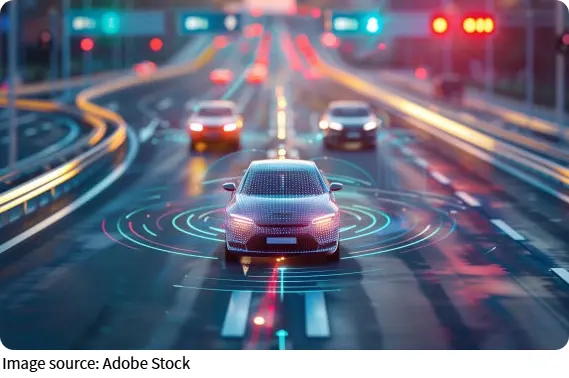
Updating Traffic Rules for Autonomous Cars
For autonomous vehicles to operate safely, laws need to evolve. Liability in case of collisions must be clearly defined—deciding whether responsibility falls on the manufacturer, software developer, or the passenger. Traffic codes may also require adjustments to speed limits, lane usage, and right-of-way rules to accommodate vehicles that respond differently than humans.
Legislators can create frameworks allowing autonomous vehicles to perform complex maneuvers, such as automatic lane merging, under strict safety thresholds verified by testing agencies.
Ensuring Predictable Behavior for Human Drivers
A major challenge is communication between autonomous vehicles and human drivers. Without predictable behavior, even minor traffic situations can become dangerous.
Some approaches include:
- LED panels or digital displays on vehicles to indicate stopping, lane changes, or pedestrian yields.
- Smart traffic infrastructure, such as connected signals and signs, to broadcast intentions to both human and autonomous drivers.
These strategies create a shared understanding on the road, reducing confusion and potential accidents.
Phased Integration and Public Awareness
Introducing autonomous vehicles gradually reduces risks. Controlled zones, such as business districts or university campuses, serve as testing grounds before wider deployment on major roads. During these phases, continuous monitoring of traffic interactions and accident data is critical. For example, pilot programs with autonomous shuttles operating during off-peak hours in city centers have already provided valuable insights into human-autonomous interactions.
Public education also plays a vital role. Drivers and pedestrians need to understand AV behavior, including braking patterns, lane-following precision, and emergency responses. Mobile apps, city guides, and educational campaigns can help build trust and reduce unpredictable reactions like sudden swerving or tailgating.
Continuous Improvement Through Feedback
The integration of autonomous vehicles is an ongoing process. Policymakers should review traffic data, accident reports, and human driver feedback regularly. Likewise, manufacturers need to update their algorithms based on observed behavior on roads. Establishing committees combining city officials and AV operators can ensure regulations evolve alongside technology, creating a safer environment for everyone.
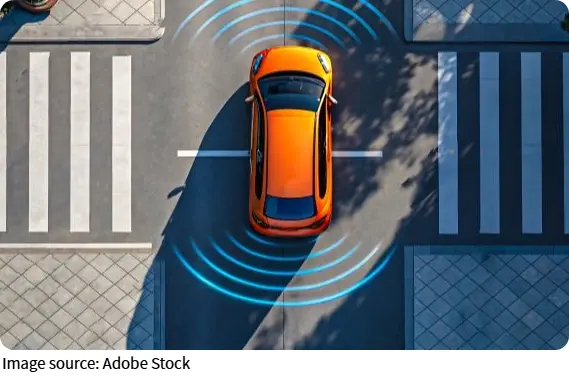
Balancing autonomous technology with existing traffic laws is a delicate but achievable task. By combining careful planning, phased implementation, clear communication, public education, and continuous feedback, cities can create an environment where self-driving vehicles and human drivers coexist safely and efficiently. The future of traffic safety relies on collaboration—between humans, machines, and the laws that guide them. With thoughtful integration, autonomous vehicles have the potential to reduce accidents, improve traffic flow, and transform urban mobility for the better.