Smart Riding, Safer Roads

Lucas Schneider
| 08-05-2026
 · Automobile team
You're cruising down a winding road, focused on every turn, when your helmet display suddenly flashes a warning: “Sharp corner ahead, reduce speed.”
That instant heads-up could be the difference between a smooth ride and a dangerous slip.
Modern motorcycles aren't just machines — they're becoming smart partners. With real-time monitoring systems, riders can track performance, detect risks early, and make adjustments on the fly.
Continuous Monitoring and Customizable Feedback
Smart feedback systems collect data from sensors on the bike, monitoring speed, lean angle, tire pressure, and even environmental factors like road moisture. This information is processed instantly, and riders receive real-time alerts through helmet displays or dashboard indicators. Customization ensures the feedback fits your riding style. A commuter may prefer basic safety alerts for traffic, while a sport rider might prioritize cornering angles and braking performance.
For instance, activating vibration alerts on your handlebar or helmet can notify you about speed warnings without taking your eyes off the road, giving you a safer, more intuitive riding experience.

Monitoring Riding Metrics for Safety
Sensors track critical metrics such as lean angle, speed, and brake pressure. Lean angle monitoring warns riders if turns are too aggressive, reducing the likelihood of slips, while speed and acceleration tracking helps maintain control in changing traffic or road conditions. Brake pressure sensors can detect irregular patterns that may indicate either a technical problem or the need to adjust your riding technique.
Riders can use post-ride data to identify areas for improvement, such as refining cornering habits or smoothing braking for safer handling on similar routes. Over time, this data-driven approach strengthens skills and builds confidence.
Predictive Alerts and Connected Gear
Advanced systems now anticipate hazards before they become visible. Collision alerts, road condition warnings, and fatigue reminders are examples of predictive technologies that keep riders safer. By monitoring behavior over time, these systems can even detect early signs of fatigue and remind riders to take breaks before reaction times slow dangerously.
Smart riding extends beyond the bike itself. Connected helmets provide visual or audio cues while keeping your focus on the road. Gloves can deliver haptic alerts, and sensor-equipped jackets monitor posture or impact forces during sudden maneuvers. Together, these tools form a comprehensive safety network for the rider. Pairing your helmet display with a smartphone app can offer detailed post-ride analytics and personalized recommendations for improvement.
Maintaining Accuracy and Learning from Data
For smart feedback systems to remain effective, sensors and software require regular maintenance. Ensuring tire, brake, and tilt sensors are functioning and keeping software updated prevents false alerts or missed warnings. Scheduling quick monthly diagnostics through your bike’s onboard system or companion app helps maintain sensor accuracy and responsiveness.
Beyond real-time safety, the data collected enables riders to refine their skills. Post-ride analytics allow trend tracking and skill improvement. For example, you might set weekly goals to reduce cornering speed variance or improve braking smoothness, gradually enhancing both safety and confidence.
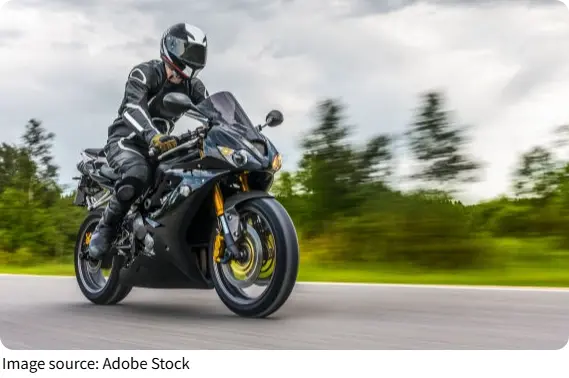
Smart feedback systems are transforming riding from reactive to proactive. By monitoring key metrics, providing real-time alerts, and enabling data-driven learning, riders gain a smart co-pilot that helps prevent accidents before they happen. Next time you hop on your bike, embrace these technologies and make every ride a safer, smarter experience.