Mastering Sailboard Winds

Sofia Alvarez
| 09-05-2026
 · Sport team
When we step onto a sailboard, the first thing we learn is how closely the sail and wind work together.
The sail is not just a surface catching airflow; it is a tool that shapes how we move across the water.
By changing its angle, we can influence speed, balance, and direction. The key idea is simple: wind direction guides the sail position, while our body supports stability and control. Once we understand this connection, sailing feels more natural and responsive.
Riding Upwind with Precision
When we move against the wind, the sail angle becomes more focused and controlled. We usually position the board at about a 40–45° angle relative to the wind. This helps us use airflow efficiently without losing balance.
We gently pull the boom closer to our body, shaping the sail into a smooth curve that catches steady wind pressure. Our back foot carries more weight, while the front foot remains lighter to guide direction changes. Small shifts in pressure help us maintain a stable line.
At the same time, we keep our eyes on the direction we want to go. This naturally rotates our shoulders and helps the sail stay aligned with our movement.
Moving Downwind with Flow
At a steeper downwind angle, we lean slightly forward while keeping our balance centered over the board. Our hands spread wider on the boom to maintain better control of the sail’s shape. This position helps us catch more airflow and increase speed in a controlled way.
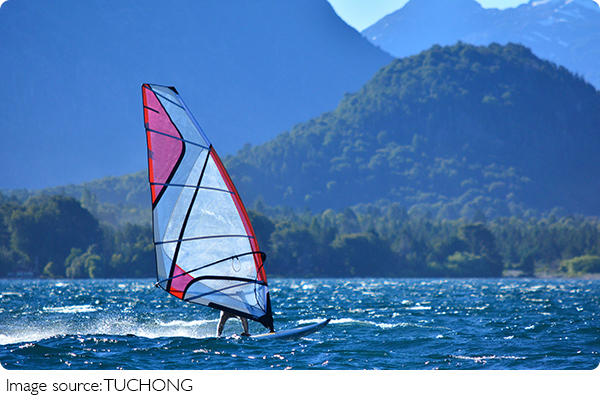
In a straighter downwind path, the sail is held more upright. We focus less on speed and more on stability. Our feet stay firmly placed, and small ankle adjustments help absorb movement from the water surface. This keeps the board steady even when conditions shift.
Balancing Side Wind Sailing
Side wind sailing is one of the most stable and commonly used directions. In this case, the board is positioned almost at a right angle to the wind.
We adjust the sail so that airflow passes evenly across it. Instead of large movements, we rely on small and smooth adjustments. Our knees stay slightly bent, lowering our center of gravity and improving balance.
We also shift our upper body slightly away from the wind side. This helps counter the sideways force created by airflow on the sail. Rather than using strength, we focus on timing and fine control through shoulders and arms.
Turning with Smooth Coordination
Changing direction requires coordination between sail movement and body positioning.
When turning toward the wind, we guide the front of the board while gently pulling the sail inward. Our hands adjust along the boom to control how much wind the sail catches. At the same time, our weight shifts forward to help the board rotate smoothly.
When turning away from the wind, the sail moves across our body in a controlled arc. We lean slightly back and adjust our rear hand to create leverage. This helps maintain balance while the board changes direction.
Each turn is a combination of timing, body alignment, and sail response working together.
Practical Tips for Better Sailing Control
Before entering the water, we always check our equipment settings, including boom length and mast stiffness. These small details influence how the sail reacts to wind changes.
Wind conditions can shift quickly, so staying aware of the surroundings is important. Watching ripples on the water helps us understand wind strength and direction in real time.
If strong airflow creates instability, we can release pressure on the sail so it aligns naturally with the wind. This reduces sudden force and helps regain control smoothly.
Over time, we also develop a better sense of rhythm with the wind, which allows for more confident and efficient movement.
Reading the Wind Like a Pro
Mastering sail angle control is not about force, but about awareness and coordination. As we practice more, movements become smoother and more intuitive. We start to feel how the sail and wind interact in real time, turning each ride into a dynamic experience.
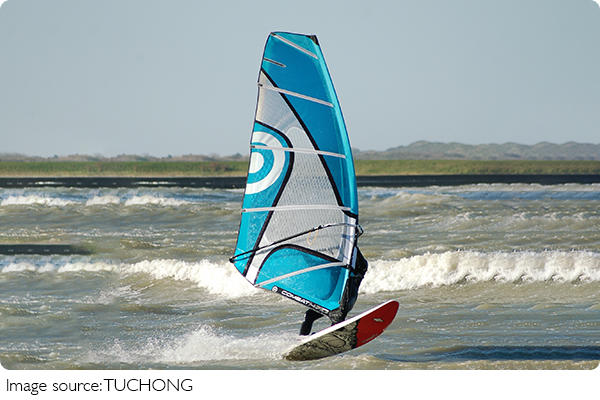
Mastering sail control is a journey of awareness, timing, and coordination. By learning to read the wind, adjust sail angles, and shift body weight thoughtfully, sailors gain confidence and fluidity on the water. Each session becomes not just a ride, but a practice in harmony with nature. Lykkers, have you noticed how even a small change in sail angle can significantly affect your direction or speed on the water?