Gene Editing: Future Health?

Liam Reilly
| 08-05-2026
 · News team
Gene editing is rapidly transforming modern medicine from a system focused primarily on symptom management into one capable of correcting biological errors at their genetic source. What once belonged to the realm of theoretical science is now entering hospitals, research centers, and advanced therapeutic development programs around the world.
Technologies such as CRISPR-Cas9, base editing, and prime editing are reshaping expectations surrounding inherited conditions, treatment precision, and long-term health outcomes. Scientists are no longer limited to observing genetic sequences.
Today, highly specialized molecular tools can modify sections of DNA with extraordinary accuracy. This progress has opened the possibility of preventing certain disorders before severe symptoms emerge while also improving treatment strategies for complex conditions previously considered untreatable.
Understanding How Gene Editing Works
Gene editing refers to a group of technologies designed to alter DNA sequences within living cells. Among the most recognized methods is CRISPR-Cas9, a molecular system adapted from natural bacterial defense mechanisms. CRISPR functions like a programmable genetic tool capable of locating specific DNA sequences and modifying them with remarkable precision.
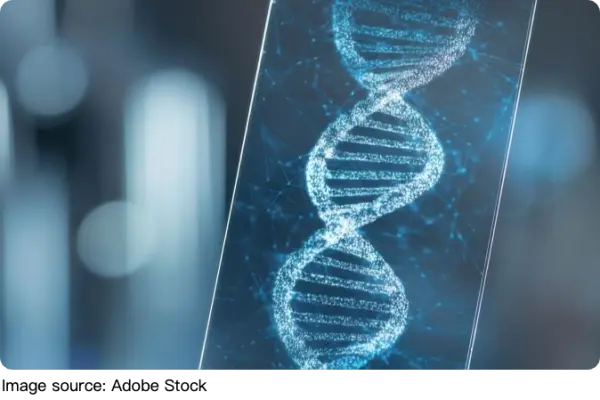
Newer techniques such as base editing and prime editing have expanded these capabilities even further. Instead of cutting DNA completely, these methods can rewrite individual genetic letters more carefully, reducing unintended cellular disruption. Researchers believe these advancements may improve safety while expanding the range of treatable conditions.
Transforming the Treatment of Genetic Conditions
The strongest impact of gene editing is currently visible in the treatment of inherited disorders caused by single-gene mutations. Conditions involving abnormal blood cell formation, metabolic dysfunction, and rare neurological syndromes have become major targets for clinical research.
In recent years, gene-editing therapies have demonstrated encouraging results in individuals with sickle cell disease and beta-thalassemia. These conditions historically required lifelong medical management, yet edited cellular therapies have shown the potential to reduce severe complications substantially.
Gene Editing: Redefining Medicine and the Future | Aida Hodjatzadeh | TEDxRichard Montgomery HS
LIVE TEDx Talks
Precision Medicine and Personalized Healthcare
One of the most transformative aspects of gene editing lies in its connection to personalized medicine. Traditional healthcare often relies on generalized treatment protocols designed for broad populations. Gene editing introduces the possibility of highly individualized therapies tailored to specific genetic variations.
This approach may significantly improve treatment efficiency because therapies can target the exact mutation contributing to disease progression. Precision medicine also reduces the likelihood of unnecessary interventions by focusing directly on molecular causes rather than generalized symptom control.
Artificial intelligence is now accelerating this process by helping researchers analyze massive genetic datasets. Machine learning systems can identify mutation patterns, predict editing outcomes, and improve guide-RNA design used in CRISPR procedures. The integration of computational biology with gene editing is creating a more advanced therapeutic ecosystem capable of faster scientific development.
Safety Challenges and Scientific Responsibility
Despite its enormous potential, gene editing still faces important scientific challenges. One major concern involves unintended genetic changes, sometimes called off-target edits. Even small alterations in the wrong DNA location could create serious biological consequences.
Long-term monitoring is equally important because edited cells may behave differently over time. For this reason, clinical trials involving gene editing often include extensive follow-up periods to evaluate durability and safety. The scientific community remains cautious about applications involving heritable genetic modifications. Most current clinical research focuses only on non-reproductive cells, ensuring edits are limited to the treated individual rather than future generations.
The Future of Human Health
Gene editing may become one of the defining medical revolutions of the twenty-first century. The technology has already begun changing how researchers approach inherited conditions, therapeutic development, and disease prevention. Future advancements could eventually allow earlier intervention before severe symptoms develop, transforming healthcare from reactive treatment toward predictive precision medicine.
Jennifer Doudna, a Nobel Prize winner and a central figure in the development of CRISPR technology, has described the ability to direct human genetic evolution as both a remarkable and daunting responsibility. She suggests that determining the ethical and practical boundaries for this technology represents one of the most significant challenges in human history, given its potential to permanently alter the future of our species.
Gene editing represents a profound shift in medical science because it targets disease at the genetic level rather than focusing only on symptoms. Technologies such as CRISPR, base editing, and prime editing are opening new possibilities for personalized healthcare, inherited condition treatment, and future therapeutic innovation.
Clinical progress already demonstrates that gene editing is more than a scientific experiment. The next great health revolution may not emerge from traditional pharmaceuticals alone, but from the ability to carefully rewrite the biological instructions that shape human life itself.