Sanctuaries Saving Wildlife

Liam Reilly
| 07-05-2026
 · Animal team
Walking through a lush sanctuary, you might spot a tiger pacing in the distance, or a group of endangered birds nesting safely in the treetops.
Wildlife sanctuaries aren't just pretty preserves—they're life-saving havens where animals get a chance to survive and thrive away from human threats.
These protected spaces play a crucial role in conserving species that might otherwise disappear.
Providing Safe Habitats
The core purpose of a wildlife sanctuary is to offer a secure home for animals. Human activities like deforestation, urban development, and poaching often leave animals vulnerable, but sanctuaries give them space to live freely.
Species-Specific Zones:
Many sanctuaries design habitats to match the natural needs of particular animals. For example, wetlands for migratory birds or dense forest areas for big cats allow animals to hunt, breed, and rest safely.
Minimal Human Disturbance:
Restricting public access in critical zones reduces stress for sensitive species. Nighttime activity for nocturnal animals like owls and pangolins can continue without interference.
Protection from Poaching:
Rangers and surveillance systems deter illegal hunting, giving endangered species a higher chance of survival.
Actionable example: If you visit a sanctuary, stick to designated trails and follow guidelines. Even small actions like not feeding wildlife help maintain a safe, natural environment.
Supporting Breeding and Population Growth
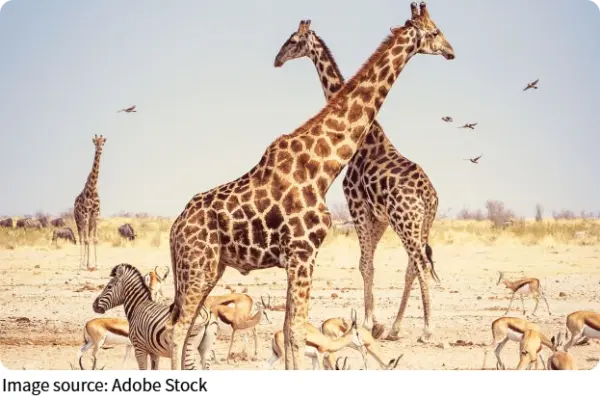
Many species face declining numbers due to low reproduction rates or loss of mates. Sanctuaries often implement strategies to boost breeding success.
Captive Breeding Programs:
Some animals, like certain birds or big cats, are bred in controlled environments before being released back into the wild. Careful pairing and monitoring increase survival rates for offspring.
Seasonal Care:
Staff may provide additional food or shelter during harsh seasons to reduce mortality among young or pregnant animals.
Monitoring Genetic Diversity:
Tracking family lines prevents inbreeding and helps maintain healthy populations.
Actionable example: Support or volunteer for sanctuary programs that assist with breeding, feeding, or habitat maintenance to directly impact animal survival.
Rehabilitation and Rescue
Sanctuaries are also critical for rescuing injured or orphaned wildlife. Recovery in a safe environment allows animals to regain strength before returning to their natural habitats.
Medical Treatment:
Veterinarians at sanctuaries treat injuries, illnesses, and malnutrition. For example, an injured deer might receive wound care and nutrition until it's strong enough to return to the forest.
Behavioral Rehabilitation:
Animals that have been exposed to humans often need training to survive independently. Young predators might be taught hunting skills, while birds learn to forage efficiently.
Release Programs:
After rehabilitation, animals are released into suitable areas within or outside the sanctuary, sometimes accompanied by tracking devices to monitor their adjustment.
Actionable example: Donate to or fundraise for sanctuaries that provide medical care and rehabilitation; even modest contributions help pay for veterinary supplies and food.
Education and Community Engagement
Sanctuaries don't just save animals—they educate people. Public awareness is essential to long-term conservation efforts.
Guided Tours:
Visitors learn about local ecosystems, endangered species, and threats like habitat loss. Firsthand observation fosters empathy and a desire to protect wildlife.
Workshops and Talks:
Many sanctuaries host programs for schools or local communities to teach responsible interaction with nature. Activities like bird counts or planting native vegetation engage people actively.
Citizen Science:
Volunteers help track animal behavior, nesting patterns, or habitat conditions, contributing valuable data to conservation research.
Actionable example: Participate in educational programs or volunteer for citizen science projects offered by sanctuaries to gain hands-on experience in wildlife protection.
Research and Conservation Planning
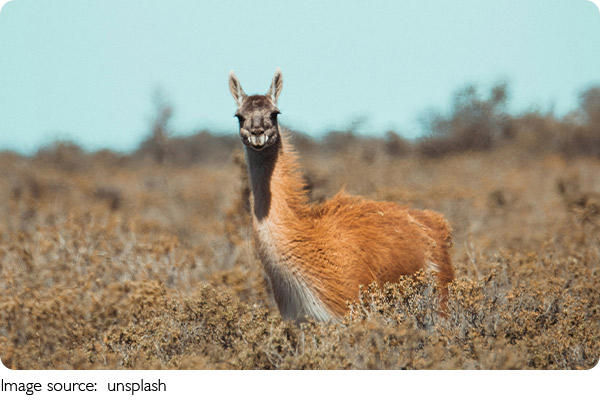
Sanctuaries often serve as living laboratories for scientists studying animal behavior, ecology, and population management.
Data Collection:
Observing animals in protected environments helps researchers understand feeding habits, reproductive cycles, and social interactions.
Conservation Strategies:
Insights from sanctuary research guide broader efforts, such as habitat restoration projects or anti-poaching campaigns in other areas.
Collaboration:
Many sanctuaries work with NGOs, universities, and governments to share findings, creating a network that strengthens global conservation efforts.
Actionable example: Follow sanctuary research publications or support organizations using science-based conservation to ensure strategies remain effective and sustainable.
Wildlife sanctuaries offer hope in a world where human activity often threatens species survival. By providing safe habitats, supporting breeding, rescuing injured animals, educating the public, and conducting research, these protected areas play a critical role in saving species from extinction. Visiting, volunteering, or supporting sanctuaries connects us directly to the ongoing effort to protect wildlife and ensures that future generations can experience the beauty and diversity of our planet's animal life.
Wildlife sanctuaries play an essential role in protecting endangered animals and preserving biodiversity. By providing safe environments, supporting recovery and breeding, and educating the public, they help ensure the survival of many species. Supporting these sanctuaries through visits, volunteering, or donations allows everyone to contribute to wildlife conservation and protect nature for future generations.