Power Pairs

Arjun Mehta
| 01-05-2026
 · Cate team
It's easy to eat vegetables every day, but are you getting the most out of them?
Combining certain vegetables not only improves taste but also boosts nutrient absorption, giving your body more of what it needs.
By understanding which veggies work well together, you can make meals that are both delicious and nutritionally powerful.
1. Leafy Greens + Bell Peppers
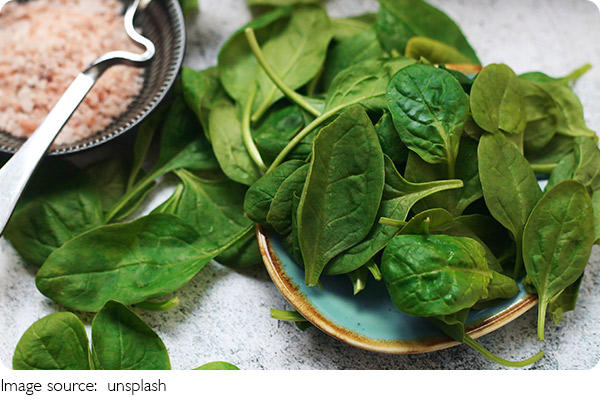
Leafy greens like spinach, kale, or romaine are packed with iron and vitamin K, but some of these nutrients are better absorbed when paired with vitamin C. Bell peppers are rich in vitamin C, which helps your body use the iron from greens more effectively.
Example: Toss fresh spinach with sliced red and yellow bell peppers, drizzle with olive oil, and sprinkle with a little lemon juice. This combination ensures you absorb more iron while enjoying a vibrant, crunchy salad.
Actionable tip: Add cherry tomatoes to enhance the vitamin C content even further, and finish with a few seeds like pumpkin or sunflower for texture and extra nutrients.
2. Tomatoes + Carrots
Carrots are high in beta-carotene, a precursor of vitamin A, while tomatoes contain lycopene, an antioxidant that thrives in the presence of oil. Combining these vegetables with a small amount of healthy oil helps your body absorb oil-soluble nutrients.
Example: Roast carrots and cherry tomatoes with a drizzle of olive oil and a pinch of salt. The heat intensifies flavors, and the olive oil boosts nutrient absorption.
Actionable tip: Sprinkle fresh herbs like parsley or basil at the end to add vitamin K and antioxidants without overpowering the natural taste.
3. Broccoli + Cauliflower + Olive Oil
Broccoli and cauliflower are cruciferous vegetables full of fiber, vitamin C, and compounds that support detoxification. Pairing them with a small amount of olive oil improves the absorption of oil-soluble compounds while keeping the veggies light and tasty.
Example: Steam broccoli and cauliflower until tender-crisp, then drizzle with olive oil and sprinkle with sesame seeds or crushed almonds.
Actionable tip: Squeeze a little lemon over the top before serving. The acidity helps preserve vitamin C and enhances flavor.
4. Spinach + Mushrooms
Spinach is nutrient-dense with iron and folate, while mushrooms provide vitamin D and antioxidants. Combining them creates a dish that balances leafy greens with earthy flavors and additional vitamins that many people lack.
Example: Sauté sliced mushrooms in olive oil for a few minutes, then add fresh spinach and cook until wilted. Season with garlic and pepper.
Actionable tip: Add a soft-boiled egg or sprinkle pumpkin seeds on top for protein and healthy fats, helping your body absorb all the nutrients efficiently.
5. Bell Peppers + Onions + Garlic
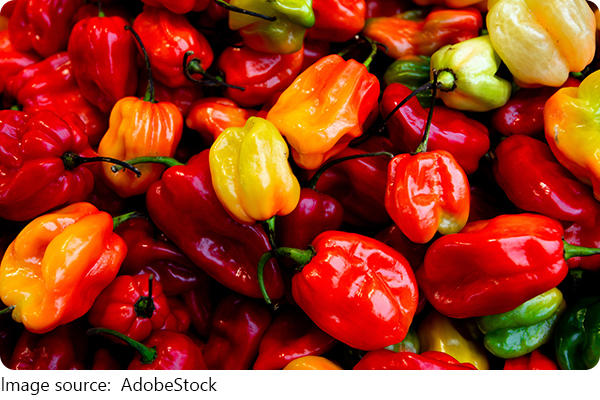
Bell peppers, onions, and garlic form a classic flavor trio that's not only tasty but also nutrient-friendly. Onions and garlic contain sulfur compounds that support immunity, while bell peppers add vitamin C and antioxidants.
Example: Stir-fry sliced bell peppers with onions and garlic in olive oil for 5–7 minutes. Serve as a side or mix into grains or noodles.
Actionable tip: Add a dash of smoked paprika or cumin for warmth and additional antioxidants. Combining these vegetables enhances flavor, color, and nutrient synergy.
Dr. Michael Greger, a physician and internationally recognized speaker on nutrition and food safety, notes that the combination of allium vegetables like garlic and onions with colorful peppers creates a synergistic effect that boosts mineral absorption.
Research indicates that the sulfur compounds in garlic and onions can increase the bioavailability of zinc and iron found in grains and other vegetables. When you toss these into a pan with bell peppers, the high Vitamin C content further catalyzes this process, transforming a simple aromatic base into a functional tool for strengthening the immune system and enhancing cellular repair.
By pairing vegetables strategically, you can make every meal work harder for your health. Small choices—like adding bell peppers to greens or olive oil to roasted carrots—can significantly increase nutrient absorption. Experiment with colors, textures, and flavors, and you'll see how creative combinations make vegetables not only more enjoyable but also more beneficial. Eating smart doesn't have to be complicated—it's just about knowing which veggies play well together.