Modern Car Battery Care

Arvind Singh
| 08-05-2026
 · Automobile team
You grab your keys, hop in the car, and turn the ignition—nothing.
That sinking feeling is familiar to anyone who's faced a dead battery on a Monday morning.
Modern vehicles rely heavily on batteries, not just for starting the engine, but also to power electronics, safety systems, and infotainment. Taking a few simple steps to care for your battery can prevent frustrating mornings and costly replacements.
Know Your Battery Type
Not all batteries are created equal. Modern cars often use standard lead-acid, AGM (Absorbent Glass Mat), or even lithium-ion types in hybrids and electric vehicles. Each has unique maintenance needs and lifespan expectations. You can identify your battery type using the owner's manual or the label on the battery itself. It’s also important to learn the manufacturer’s recommended replacement interval and note any special care instructions, such as avoiding deep discharges for AGM batteries. A practical tip is to keep a small notebook or phone note with your battery type, installation date, and service intervals. This simple habit helps you track aging without guesswork.
Regular Inspections and Proper Connections
A quick visual check can reveal early signs of trouble that might otherwise lead to failure. Look closely for corrosion or white powder around terminals, and inspect the battery casing for cracks or swelling. Even small cracks indicate the battery is aging and may fail soon. Ensuring the battery is securely mounted is also essential, as vibrations can damage it over time.
Equally important is maintaining clean and tight connections. Loose or dirty terminals can mimic battery failure even when the battery itself is healthy. After wiping the terminals clean, applying a thin layer of petroleum jelly or terminal protectant can prevent corrosion. When tightening terminal bolts, make sure they are snug but not over-torqued, as overtightening can damage the battery posts. Proper connections ensure efficient current flow, reliable starting, and healthy alternator operation.
Charge Levels and Temperature Awareness
Batteries perform best when fully charged. Partial charges, long periods of inactivity, or short trips can slowly drain a battery, shortening its lifespan. To maintain optimal charge, avoid leaving lights or accessories on when the engine is off, take longer drives occasionally to allow a full charge cycle, and consider a trickle charger if the vehicle sits unused for extended periods. Modern cars have electronics that draw small amounts of current even when parked, making this step especially important. For vehicles parked in winter, a smart charger that maintains optimal voltage without overcharging is highly recommended.
Temperature extremes also stress batteries. Cold weather slows chemical reactions, reducing starting power, while heat accelerates chemical breakdown, shortening battery life. Parking in a garage during winter or keeping the engine bay clean and shaded in summer can help. In extremely cold climates, battery insulation sleeves provide additional protection. A portable battery tester is a helpful tool to check voltage and cold-cranking amps before a winter road trip.
Plan for Replacement
Batteries don’t last forever. Most modern car batteries last three to five years, depending on climate and usage. Waiting until failure can leave you stranded and potentially damage vehicle electronics. It’s best to monitor age and performance regularly and schedule replacement before the battery fails completely. Choosing quality replacements suited for your car's electrical load is essential. Setting a calendar reminder six months before the typical replacement window ensures you won’t be caught off guard.
Extra Tips for Hybrid and EV Batteries
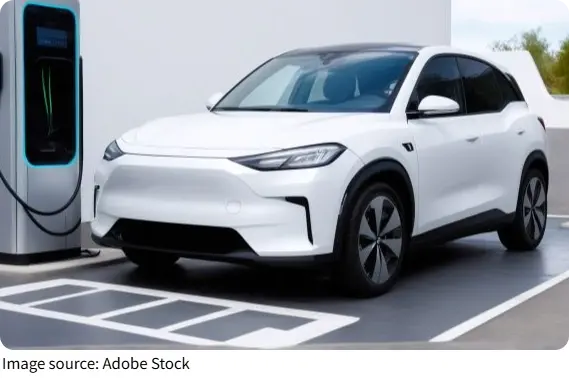
Hybrid and electric vehicles have high-voltage battery packs that need extra care. Avoid leaving the vehicle at very low or very high charge for extended periods and follow manufacturer guidance on storage and charging cycles. Keeping cooling or thermal management systems in good working order is crucial. For EVs stored for weeks, maintaining a charge level around 50–60% preserves battery health. These precautions help extend both starting reliability and driving range.

Caring for your car battery doesn’t have to be complicated. By understanding your battery type, performing regular inspections, maintaining proper charge levels, and protecting it from extreme temperatures, you can significantly extend its lifespan and reliability. For hybrid and electric vehicles, following manufacturer guidelines and managing charge levels ensures optimal performance and longevity. A few simple habits—like keeping terminals clean, monitoring battery age, and planning timely replacements—can save you from unexpected roadside frustrations and costly repairs. Taking these proactive steps ensures your car starts smoothly every day, your electronics function flawlessly, and your journeys remain stress-free.