Decorate Cakes Like a Pro

Naveen Kumar
| 06-05-2026
 · Cate team
There's a moment when a plain cake cools on the counter and looks almost shy. It tastes great, but visually it hasn't said much yet.
Cake decorating is the step where personality shows up. It's not about fancy tools or years of practice. It's about understanding a few core techniques and using them with intention, so every movement feels calm instead of rushed.
Start With a Smooth, Stable Base
Professional-looking cakes always start with a solid foundation. If the base isn't right, even the best decorations struggle to shine.
1. Level your cake layers so they stack evenly without leaning.
2. Chill the cake before decorating to firm it up.
3. Apply a thin crumb coat to seal loose crumbs before the final layer.
Actionable example: After adding a crumb coat, chill the cake for 20 minutes. This sets the surface so your final layer goes on smoothly without dragging crumbs through the frosting.
Choose the Right Frosting Texture
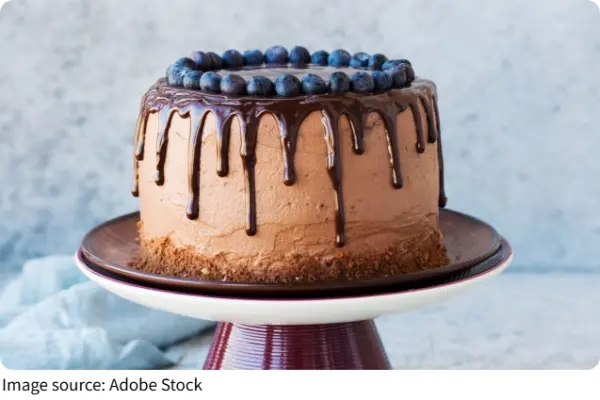
Frosting texture matters more than flavor when it comes to decoration. Too soft and it won't hold shape. Too stiff and it tears the surface.
1. Adjust consistency by adding small amounts of liquid until it spreads easily.
2. Test frosting on a plate before applying it to the cake.
3. Keep extra frosting covered so it doesn't dry out while you work.
Actionable example: Dip a spatula into the frosting and lift it slowly. If it forms a soft peak that gently bends over, it's ready for smooth coverage.
Use Simple Tools the Right Way
You don't need a drawer full of equipment. A few well-used tools can handle most designs.
1. Use an offset spatula for even spreading.
2. Hold piping bags at a consistent angle for uniform shapes.
3. Wipe tools often to keep edges sharp and lines clean.
Actionable example: For smooth sides, hold the spatula steady and rotate the cake instead of moving your hand back and forth. This creates an even finish with less effort.
Master Basic Piping Before Complex Designs
Basic piping techniques form the backbone of more advanced designs. Once you're comfortable with them, creativity becomes easier.
1. Practice dots, lines, and simple swirls on parchment first.
2. Apply steady pressure and release slowly at the end of each motion.
3. Keep your wrist relaxed to avoid uneven patterns.
Actionable example: Pipe a row of evenly spaced dots around the top edge of a cake. This simple border instantly frames the cake and looks intentional without being busy.
Add Color With Restraint
Color can elevate a cake or overwhelm it. Professionals use it carefully and sparingly.
1. Stick to one main color and one accent shade.
2. Mix color gradually so you don't go too dark.
3. Use neutral tones to balance brighter details.
Actionable example: Tint most of the frosting a soft shade, then reserve a small portion for accent piping. This keeps the design focused and visually calm.
Create Texture for Visual Interest
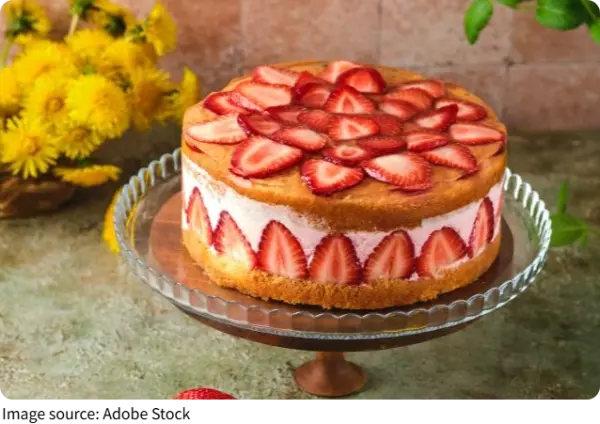
Flat surfaces can look unfinished. Texture adds life without extra decoration.
1. Use the back of a spoon or spatula to create gentle waves.
2. Try vertical strokes for a modern look.
3. Keep patterns consistent around the cake.
Actionable example: After frosting the cake, lightly press a spoon into the surface and twist slightly. Repeat evenly to create a soft, flowing texture that catches the light.
Finish With Thoughtful Details
Final details should support the design, not compete with it.
1. Choose one focal area, usually the top or center.
2. Keep decorations proportional to the cake size.
3. Step back and look before adding anything else.
Actionable example: Add a small cluster of decorations on one side of the top rather than spreading them everywhere. This creates a natural focal point and feels more refined.
Decorating cakes like a professional isn't about perfection. It's about control, patience, and knowing when to stop. Each smooth edge and simple detail builds confidence over time. When you slow down and let technique guide your choices, decorating stops feeling intimidating and starts feeling creative. That's when your cakes begin to look as good as they taste, every single time.