Perfect Macaron Guide

James Carter
| 06-05-2026
 · Cate team
Anyone who's tried making macarons knows the feeling. You follow the steps carefully, the batter looks right, and then the oven door opens to cracked tops or uneven shells.
Macarons have a reputation for being difficult, but most failures come from a few repeatable issues. Once you understand what really matters at each stage, the process becomes calmer and far more predictable.
Start With Precise Preparation
Macarons are sensitive before they even go into the oven. Small prep mistakes can affect the final texture and appearance.
1. Weigh ingredients instead of using volume measures. Even small differences change how the batter behaves.
2. Sift dry ingredients thoroughly to remove clumps that cause bumpy shells.
3. Bring egg whites to room temperature so they whip more evenly.
Actionable example: Set out your egg whites 30 minutes before mixing. This simple step helps them whip faster and reach a smoother, more stable foam.
Master the Meringue Stage
The meringue provides the structure that holds macarons together. Underwhipped or overwhipped meringue leads to flat or cracked shells.
1. Whip slowly at first to build small, even bubbles.
2. Increase speed gradually until the meringue holds firm peaks that stand straight.
3. Stop mixing as soon as peaks form cleanly without drooping.
Actionable example: Lift the whisk and look at the peak it leaves behind. If it stands tall and glossy, it's ready. If it curls over, whip for a few more seconds and check again.

Fold the Batter With Control
Folding, often called macaronage, is where many batches go wrong. The goal is a batter that flows slowly and settles smoothly.
1. Fold gently, scraping the bowl and pressing the batter against the sides.
2. Stop folding once the batter flows in a ribbon and disappears back into itself after about 10 seconds.
3. Avoid rushing, as overmixing makes the batter too loose.
Actionable example: Scoop up some batter and let it fall back into the bowl. If it forms a ribbon that melts into the surface without leaving lines, you've reached the right point.
Rest Shells Before Baking
Resting piped shells allows a skin to form on the surface, which helps control how they rise in the oven.
1. Leave shells uncovered until they're dry to the touch.
2. Lightly tap the tray on the counter to release trapped air bubbles.
3. Use a toothpick to pop visible bubbles before resting.
Actionable example: Gently touch the top of a shell with your finger. If it doesn't stick, they're ready to bake.
Control Oven Temperature Carefully
Macarons react strongly to heat changes. Too hot, and they split on the surface. Too cool, and they don't rise properly.
1. Preheat the oven fully and use an oven thermometer for accuracy.
2. Bake one tray at a time in the center of the oven.
3. Avoid opening the oven door during the first half of baking.
Actionable example: If your shells brown too quickly, lower the temperature slightly and extend the baking time by one or two minutes.
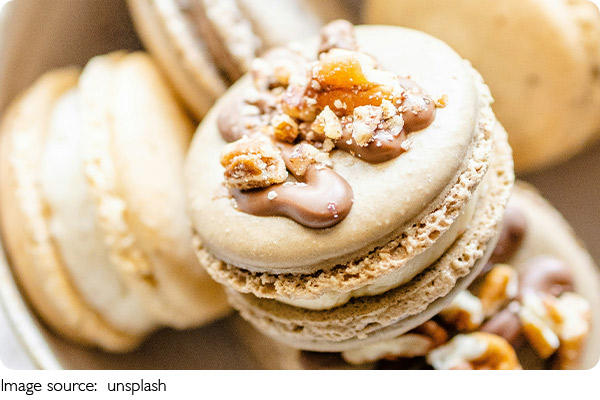
Let Macarons Mature After Filling
Fresh macarons can feel crisp or hollow. Resting them after filling improves both texture and taste.
1. Fill shells once they've cooled completely.
2. Store filled macarons in the fridge for 24 hours.
3. Bring them back to room temperature before serving.
Actionable example: Make macarons a day ahead of serving. This rest period allows moisture from the filling to soften the interior without damaging the shells.
Perfect macarons don't come from luck or secret ingredients. They come from paying attention to small details and repeating the same careful steps each time. Once you understand how each stage affects the next, mistakes stop feeling mysterious. With patience and practice, macarons shift from frustrating to familiar, and that first tray of smooth, even shells starts to feel completely within reach.