Green Pasta Joy

Mukesh Kumar
| 09-05-2026
 · Cate team
Lykkers, basil pesto pasta is a classic Italian dish loved for its fresh, vibrant flavor and simple ingredients. The sauce, made from fresh basil, pine nuts, Parmesan cheese, garlic, and olive oil, is blended to a fragrant, slightly chunky texture that clings perfectly to pasta.
It’s a dish that feels like summer on your plate and can be enjoyed in many ways—not just with noodles, but also on bread or vegetables. Today, we’ll guide you step by step to make this iconic dish from scratch, so you can enjoy it fresh at home.
Ingredients Needed
For the pesto sauce:
- Fresh basil leaves – 360g (use mainly leaves, keep tender stems)
- Pine nuts – 60g
- Parmesan cheese – 35g, freshly grated
- Garlic – 5 cloves, peeled
- Olive oil – 290ml
- Pure water – 50ml (or some of the basil blanching water)
- Salt – 11-12g (adjust to taste)
For the pasta:
- Spaghetti or linguine – 300g (serves 2-3 people)
- Salt for boiling water – 10g
- Optional: a little reserved pasta water to adjust sauce consistency
Step 1: Blanch the Basil
1. Bring a large saucepan of water to a boil.
2. Add the fresh basil leaves and blanch for 15 seconds.
3. Immediately transfer the basil into a bowl of ice water to stop the cooking.
4. Gently squeeze out excess water, keeping the leaves slightly moist to preserve flavor and color.
Tip: The weight of basil remains almost the same after blanching, ensuring a fresh, vibrant green sauce.
Step 2: Toast the Pine Nuts
1. Heat a small pan on low heat.
2. Add the pine nuts and toast gently until they turn slightly golden and release a nutty aroma.
3. Remove from heat and let them cool completely before using.
Step 3: Prepare Parmesan and Garlic
1. Grate 35g of Parmesan cheese finely.
2. Peel 5 garlic cloves.
3. Set aside.
Tip: Freshly grated Parmesan makes the pesto richer and creamier. Garlic can be adjusted to your taste.
Step 4: Blend the Pesto Sauce
1. In a blender, combine:
- Blanched basil leaves
- Toasted pine nuts
- Grated Parmesan
- Garlic cloves
- 290ml olive oil
- 50ml water (or basil blanching water)
- Salt to taste
2. Blend until the mixture is well combined but slightly chunky. Don’t over-blend—the sauce should have texture so that you can feel the basil in every bite.
Step 5: Cook the Pasta
1. Bring a large saucepan of water to a boil and add 10g salt.
2. Cook 300g pasta according to package instructions until al dente.
3. Reserve 2-3 tablespoons of pasta water before draining.
4. Drain the pasta and immediately toss it with the pesto sauce, adding pasta water if needed to adjust consistency.
Tip: Toss thoroughly so each strand is coated with the fragrant green sauce.
Step 6: Serve and Enjoy
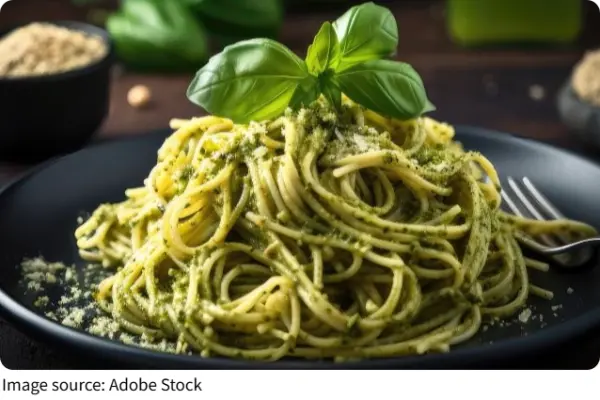
1. Plate the pesto pasta and drizzle a little extra olive oil on top if desired.
2. Optional: sprinkle a little extra Parmesan or pine nuts for garnish.
Extra Uses: Spread the pesto on bread, mix with roasted vegetables, or stir into soups for added flavor.
Tips for the Perfect Pesto
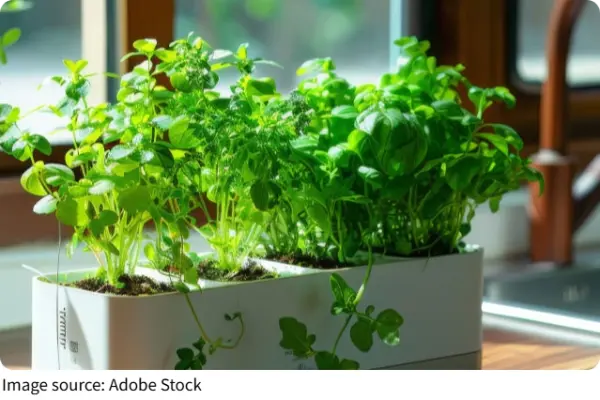
- Use fresh basil; planting your own ensures you always have it ready.
- Adjust salt and garlic to taste.
- Keep some texture in the pesto—it shouldn’t be completely smooth.
- Store leftover pesto in small jars with a layer of olive oil on top. Refrigerate and finish within one week.
Final Thoughts
Making basil pesto pasta is more than cooking—it’s a joyful experience. From fresh ingredients to the first bite of vibrant green pasta, every step is satisfying. We hope Lykkers feel inspired to try it at home, enjoying the bright, fresh, and rich flavors that make every meal feel like a celebration. Let’s turn simple ingredients into something truly special!