Homemade Sauce Basics

James Carter
| 11-05-2026
 · Cate team
There's a moment when a plain meal feels unfinished. The rice is warm, the vegetables are cooked just right, but something's missing. That's usually the sauce. Homemade sauces don't need special tools or hours of simmering.
Most come together faster than the food they're meant to dress, and once you get comfortable, you'll stop buying bottles altogether.
Understanding the basic sauce structure
Almost every good sauce follows the same simple idea: balance a few core elements.
1. A salty or savory base, like soy sauce or miso.
2. A sour note, such as lemon juice or vinegar.
3. A bit of richness from oil, seeds, or nut spreads.
4. Optional sweetness to smooth the edges.
For example, mix two tablespoons soy sauce, one tablespoon lemon juice, one tablespoon sesame oil, and a small pinch of sugar. Stir well. That's a complete sauce already, ready for vegetables, noodles, or grains.
Actionable tip: taste with a spoon before using. If it feels sharp, add a few drops of oil. If it feels flat, add acid. Adjust in tiny amounts.
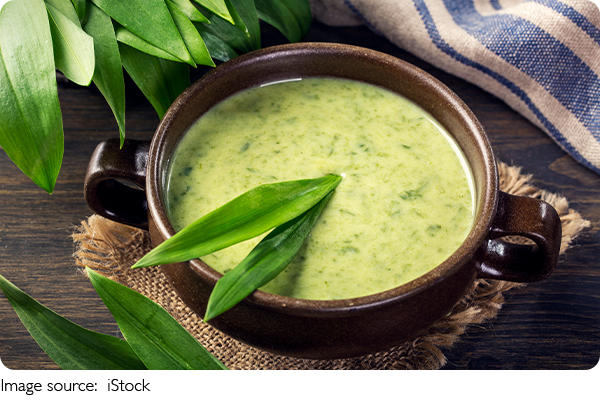
No-cook sauces for everyday meals
No-cook sauces are the easiest place to start. They're mixed in a bowl or jar and used right away.
1. Simple garlic sauce
Combine minced garlic, oil, lemon juice, and salt. Let it sit for five minutes so the garlic softens.
2. Creamy seed sauce
Stir tahini with water, lemon juice, and salt until smooth. Add water slowly to control thickness.
3. Yogurt-based sauce
Mix yogurt with grated cucumber, lemon juice, and herbs for a cooling finish.
Example: for a quick lunch, drizzle garlic sauce over roasted vegetables and grains. It takes less than two minutes to make and adds depth without cooking anything extra.
Store no-cook sauces in sealed containers and use within three days for best flavor.
Warm sauces made in one pan
Some sauces benefit from warmth, especially when you want richer taste.
1. Simple tomato sauce
Simmer canned tomatoes with olive oil and garlic for 15 minutes.
2. Vegetable stock reduction
Heat stock until it reduces by about one-third, concentrating flavor.
3. Butter-based pan sauce
Melt butter with garlic and herbs after cooking vegetables, then spoon over the dish.
Actionable example: after sautéing mushrooms, lower the heat, add a small amount of vegetable stock, and let it bubble for two minutes. Scrape the pan gently. Finish with butter and pepper. You've created a sauce using what was already there.
The key is low to medium heat. High heat can break sauces or cause bitterness.
Thickening without guesswork
Texture matters as much as flavor. A sauce that's too thin feels weak, while one that's too thick feels heavy.
1. Cornstarch slurry
Mix one teaspoon cornstarch with one tablespoon water, then add to hot sauce.
2. Blended vegetables
Blend cooked onions, peppers, or carrots into sauces for natural thickness.
3. Nut or seed pastes
Small amounts add body and richness.
For example, if a stir-fry sauce looks watery, add half a teaspoon of cornstarch mixed with water and stir over heat for 30 seconds. It thickens almost instantly.
Always add thickeners gradually. You can add more, but fixing an over-thick sauce is harder.
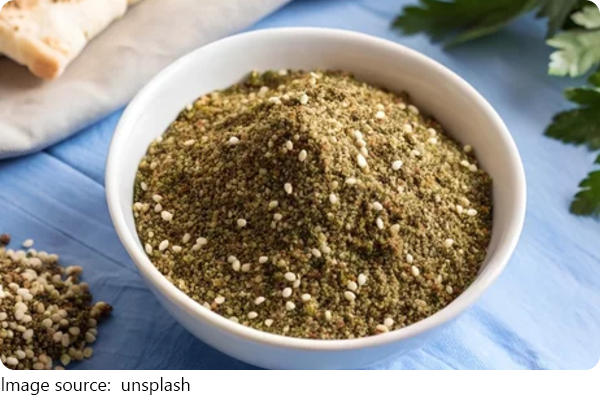
Flavor boosts from everyday ingredients
You don't need rare ingredients to make sauces interesting.
1. Citrus zest adds aroma without extra liquid.
2. Toasted seeds bring depth and texture.
3. Fresh herbs brighten heavy sauces.
Actionable tip: keep lemon zest frozen in a small container. A pinch added at the end of a sauce wakes up the whole dish.
Taste again just before serving. Sauces change as they sit, and a final adjustment makes a noticeable difference.
Storing and using sauces wisely
Homemade sauces work best when they fit into your routine.
1. Store in glass jars with tight lids.
2. Label with the date.
3. Use clean spoons to avoid spoilage.
Most simple sauces keep three to five days in the fridge. If a sauce separates, shake or stir before using—it's normal.
You can also freeze small portions in ice cube trays, then thaw only what you need.
Once you start making sauces yourself, cooking feels less rigid. You're not following instructions line by line anymore. You're tasting, adjusting, and trusting your instincts. A good sauce doesn't just finish a meal—it makes the whole process feel more personal, more relaxed, and a lot more satisfying.