Baked Fish Every Time

Sofia Alvarez
| 11-05-2026
 · Cate team
You've bought fresh fish, and now the big question: how do you get it from the fridge to a plate that's juicy, tender, and full of flavor?
Baking fish sounds simple, but even slight missteps can leave it dry or bland. With the right approach, though, it's a reliable, quick way to serve a satisfying meal.
Choose the right fish
The starting point is always the fish itself. Fresh fish smells clean, not fishy, and the flesh should spring back when pressed.
1. Firm white fish like cod, haddock, or tilapia cooks evenly and works well for beginners.
2. Fatty fish like salmon or trout offers richer flavor and remains moist during baking.
3. Smaller fillets cook faster, while whole fish require more careful timing.
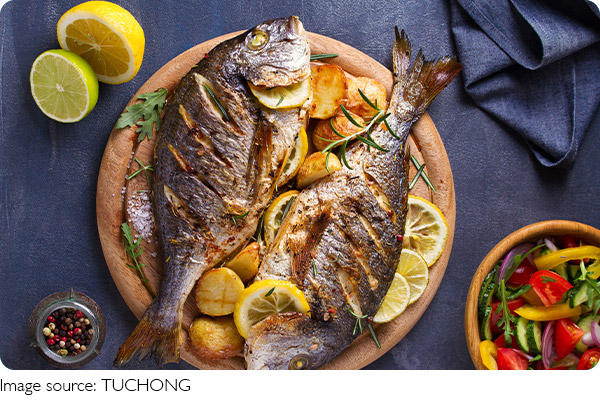
Actionable tip: if using a whole fish, score the sides to allow even heat and seasoning to reach the flesh. This ensures the fish cooks uniformly.
Prep for flavor
Flavor starts before the oven. Seasoning and aromatics create depth without long cooking times.
1. Brush the fish lightly with olive oil or melted butter to lock in moisture.
2. Sprinkle with salt, pepper, and optional spices like paprika, garlic powder, or herbs.
3. Insert slices of lemon, fresh herbs, or thin garlic inside the cavity of a whole fish or atop fillets.
Example: layering lemon slices under a salmon fillet infuses subtle citrus notes while keeping the flesh moist. A few sprigs of thyme add aroma that comes through during baking.
Choose the right baking method
How you bake affects moisture, texture, and clean-up.
1. Foil packets (en papillote) trap steam, keeping fish moist and lightly flavored.
2. Parchment offers similar results but adds a rustic presentation.
3. Open pans allow for a roasted exterior and slightly crisp edges.
Actionable example: place a fillet on a parchment sheet, add a drizzle of olive oil, lemon slices, and herbs, fold into a sealed packet, and bake. The fish steams in its own juices, staying tender without extra liquid.
Timing and temperature
Overcooking is the biggest risk. Fish cooks quickly, and temperature matters more than anything else.
1. Preheat the oven to 180–200°C (350–400°F).
2. Small fillets need roughly 10–12 minutes per inch of thickness.
3. Whole fish or thicker cuts may require 15–20 minutes.
Tip: check for doneness by gently pressing the thickest part; it should flake easily with a fork but remain moist inside. You can also use a thermometer: 60°C (140°F) is ideal for most fish.

Accompaniments for baked fish
A perfectly baked fish deserves a complementary side without overshadowing it.
1. Quick roasted vegetables like asparagus, bell peppers, or zucchini.
2. Light grains such as couscous or quinoa, which cook in under 15 minutes.
3. Fresh salads or a drizzle of citrusy vinaigrette to balance richness.
Example: serve a baked cod fillet atop a bed of lightly seasoned couscous, with cherry tomatoes roasted alongside. It's colorful, balanced, and ready in the same time the fish takes to bake.
Finishing touches
Presentation and flavor layering make a difference.
1. A final squeeze of lemon or lime brightens the dish.
2. Sprinkle fresh herbs like parsley or dill for freshness.
3. Drizzle a little olive oil or a butter-based sauce for richness.
Actionable tip: finish the fish just before serving to preserve aroma and maintain moisture. Even a minute under the broiler can add a golden glow to the top.
Baking fish isn't complicated—it's about respecting timing, temperature, and flavor layering. When you choose the right fish, season it thoughtfully, and follow simple baking methods, you end up with a dish that's juicy, tender, and visually appealing. With practice, it becomes a go-to method for fast, satisfying meals that feel comforting and refined.