Sprout Potato Truth

Santosh Jha
| 28-04-2026
 · Cate team
In many kitchens around the world, it is not unusual to discover potatoes that have developed small sprouts or begun to show a slight green color after being stored for some time.
This often leads to a common question: are they still safe to use, or should they be thrown away? To answer this properly, we first need to understand what is happening inside the potato during storage.
The Natural Defense Compound Inside Potatoes
When potatoes begin to sprout or turn green, they increase a natural substance called solanine. This compound is part of the plant’s defense system. It helps protect the potato from insects, disease, and environmental stress.
In small amounts, solanine is naturally present in potatoes and does not cause concern. However, when levels rise significantly, it may affect the human body, especially if consumed in large quantities.
Where the Substance Builds Up
The distribution of solanine is not even throughout the potato. It tends to concentrate in specific areas:
- The sprouting buds
- Green-colored skin
- Damaged or exposed sections
Fresh, healthy potatoes contain very low levels of this compound. The increase usually happens when the potato is exposed to light or stored for too long.
Can Sprouted Potatoes Still Be Used?
The answer depends on the condition of the potato.
If sprouting is minimal, we can take careful steps:
- First, remove all sprouts completely.
- Second, cut away any green or damaged parts.
- Third, peel the skin thoroughly.
- Fourth, soak the pieces in clean water for a period of time.
After preparation, proper cooking is important. Heat helps reduce part of the compound. Adding a small amount of acidic ingredient during cooking may also help lower potential risk.
However, if the potato has multiple sprouts or large green areas, it is safer to discard it completely.
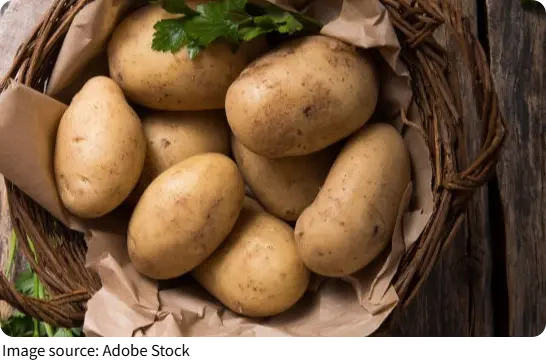
Smart Storage Helps Prevent Sprouting
Storage conditions play a key role in potato quality. Potatoes should be kept in a cool, dry, and well-ventilated place. Exposure to sunlight or warm environments speeds up sprouting and greening.
An interesting fact is that storing potatoes near certain fruits, such as apples or bananas, may slow down sprouting due to natural gases they release.
- One important point: refrigeration is not ideal. Low temperatures combined with moisture can affect texture and lead to spoilage.
Simple Preparation Steps for Safer Use
Before cooking, potatoes should always be peeled and cut into smaller pieces. Soaking them in cold water for at least 30 minutes helps reduce unwanted compounds.
During cooking, ensure they are fully heated. Whether boiling, steaming, or roasting, complete cooking is essential. Proper heat treatment improves safety and reduces risk.
These steps are simple and can easily be applied in daily cooking.
How to Identify Potatoes That Should Be Discarded
We can rely on a few easy observations:
- If mold or decay is visible, the potato should be discarded completely.
- If the skin shows strong green coloration, it indicates increased compound levels.
- If a small raw piece tastes bitter or unusual, it is not suitable for use.
These simple checks help ensure safer food choices.
Possible Effects of High Intake
If potatoes with elevated solanine levels are consumed, mild effects may include stomach discomfort, nausea, or a burning sensation in the mouth. In more severe cases, stronger reactions can occur.
This is why careful selection and preparation are important in everyday cooking practices.
Choosing Fresh Potatoes the Easy Way
When selecting potatoes, we can look for a few key signs:
- The skin should be smooth and intact.
- The texture should feel firm when gently pressed.
- The surface should not show deep discoloration or soft spots.
Fresh potatoes often feel solid and stable, indicating good quality and proper storage.

Making Safer Choices with Potatoes
So Lykkers, sprouted potatoes are not automatically unsafe, but they do require careful attention. Small sprouting can often be managed with proper preparation, while heavily sprouted or green potatoes are best avoided.
With simple awareness and smart storage habits, we can reduce waste and make safer choices in the kitchen. Understanding food in this way helps us cook with more confidence every day.
Is it safe to eat green or sprouted potatoes?
Video by eCreativeAid