Hydrogen-Powered Vehicles

Mason O'Donnell
| 29-04-2026
 · Automobile team
Imagine a world where buses, trucks, and even cars are running on a clean, abundant resource: hydrogen. It's a future that may not be as far off as we think. Hydrogen-powered vehicles, particularly hydrogen fuel cell buses, are gaining traction in the automotive world, promising a greener and more sustainable alternative to fossil fuels.
This shift is part of the larger push for environmental change in the transport sector. If you've ever wondered about hydrogen technology and how it’s shaping the future of automobiles, this article is for you.
The Rise of Hydrogen Fuel Cell Technology
Hydrogen fuel cells are not a new concept, but their application in the automotive industry has recently seen significant progress. A fuel cell works by combining hydrogen with oxygen to produce electricity, with the only byproduct being water vapor.
It's a clean process, making it a highly attractive option for reducing carbon emissions. The key appeal of hydrogen as a fuel lies in its efficiency and fast refueling time compared to electric vehicles that require long charging periods.
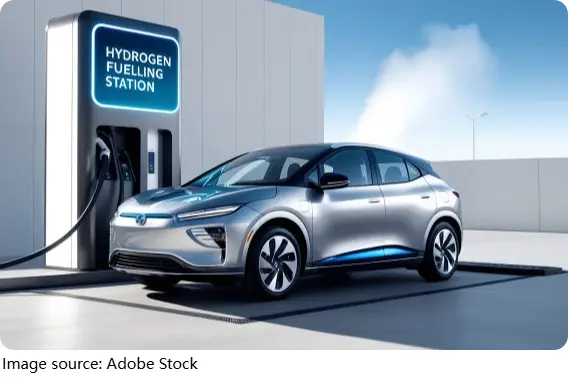
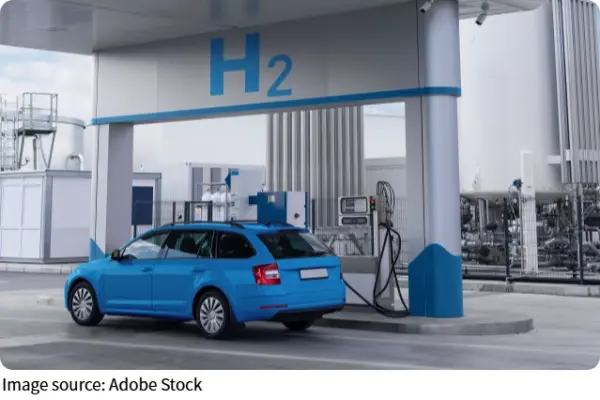
More cities around the world are investing in hydrogen refueling stations, as seen in the image above. These stations are becoming an essential part of the infrastructure needed to make hydrogen-powered vehicles a reality. With governments and private companies pushing for cleaner energy sources, we are seeing an increasing shift toward green transport solutions, and hydrogen fuel cells are leading the charge.
Benefits of Hydrogen in the Automotive Industry
Hydrogen-powered vehicles offer a number of advantages that make them an appealing alternative to traditional gasoline or electric-powered cars. First, the range is often superior to electric vehicles, which can struggle with long-distance travel.
Hydrogen vehicles can be refueled in just a few minutes, unlike electric cars that may take hours to recharge. For bus fleets and trucks, this quick refueling capability is essential for continuous operations.
Moreover, hydrogen is a versatile energy carrier. Unlike electricity, which must be generated and stored, hydrogen can be produced using various methods, including renewable sources like solar or wind power. This versatility adds another layer of sustainability to hydrogen as a fuel.
Challenges and Roadblocks Ahead
Despite the many benefits, there are challenges to widespread adoption. One major hurdle is the cost of hydrogen fuel cell technology, which is currently more expensive than traditional fossil fuel-powered engines. The infrastructure needed to produce, store, and distribute hydrogen is also limited in many parts of the world, making refueling stations harder to find.
Another challenge is the environmental impact of hydrogen production. While hydrogen itself is clean, the method of producing it can vary. Currently, a significant amount of hydrogen is produced using natural gas, which still contributes to greenhouse gas emissions. For hydrogen to truly be a green alternative, the industry will need to shift towards sustainable production methods, such as water electrolysis powered by renewable energy.
The Road Ahead: Is Hydrogen the Future of Cars?
So, will hydrogen fuel cells become the dominant technology in the automotive industry? It's possible, but it won't happen overnight. Hydrogen buses are already making a mark in public transport, especially in European cities like London and Hamburg. As more countries recognize the environmental and economic benefits of hydrogen-powered vehicles, investment in research, infrastructure, and fuel production will likely increase.
In the coming years, we can expect to see more hydrogen-powered cars, buses, and trucks on the roads, particularly in regions that are investing heavily in green technologies. The future of hydrogen looks promising, but it's going to take time to scale up production, improve technology, and create the necessary infrastructure.
A New Era in Clean Transportation
Hydrogen-powered vehicles offer a compelling vision for a greener future in the automotive industry. While challenges remain, advancements in technology and infrastructure suggest that hydrogen could play a significant role in reducing the carbon footprint of transport.
As governments, industries, and consumers continue to push for cleaner energy solutions, hydrogen may just be the fuel that powers the next generation of vehicles. Keep an eye on this exciting development—it's one that could change the way we think about transportation forever.