Smart Cars & Sharing

Declan Kennedy
| 29-04-2026
 · Automobile team
Imagine sitting in a car, not worrying about steering, brakes, or the gas pedal, while the car navigates its way through busy streets.
This isn't a scene from a sci-fi movie anymore—it's fast becoming a reality.
Autonomous driving, smart technology, and shared mobility are pushing the boundaries of the automotive industry, creating a brand-new transportation landscape.
The days of manual driving and owning multiple vehicles are becoming increasingly distant. Instead, innovative technologies are bringing us closer to a future where vehicles communicate with each other, respond to traffic conditions in real time, and provide a more efficient and environmentally friendly way to get around. But how are these advancements shaping the industry, and what impact will they have on us?
The Rise of Autonomous Driving
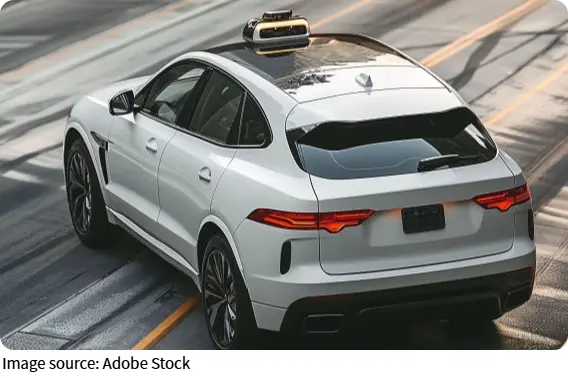
Self-driving cars aren't just futuristic concepts anymore—they're being tested and deployed around the world. With major companies like Tesla and Waymo investing heavily in autonomous driving technology, it's only a matter of time before these vehicles are a common sight on our roads.
For instance, Waymo's fully autonomous vehicles have already logged millions of miles, operating without a human driver. The technology relies on sensors, cameras, and powerful algorithms that allow the car to "see" its environment and make driving decisions. These vehicles can reduce accidents caused by human error, such as distracted driving or poor decision-making, ultimately making the roads safer.
Practical Tip: As autonomous technology continues to evolve, the implementation of safety features like redundant braking systems and real-time data-sharing between vehicles will further reduce the risk of accidents, providing a safer travel experience for everyone on the road.
Smart Technology and Connectivity
Smart technology isn't just about allowing cars to drive themselves—it's also about creating a connected ecosystem. Vehicles are becoming part of a larger network where they communicate with each other, traffic lights, and even parking systems to enhance the driving experience.
A prime example of this is V2X (Vehicle-to-Everything) communication, which enables cars to exchange information with traffic infrastructure, helping them make decisions based on real-time data. Imagine a car that knows the traffic light will turn red in 30 seconds, allowing it to adjust speed accordingly. This type of connectivity reduces fuel consumption, optimizes routes, and makes traffic flow smoother.
Actionable Example: Look out for features like adaptive cruise control and automatic lane-keeping, which are already using basic forms of connectivity to improve safety and efficiency. These technologies will become even more sophisticated as the network of smart vehicles grows.
Shared Mobility: Changing How We Travel
As the future of driving becomes more automated and connected, shared mobility services—like ride-hailing apps and car-sharing programs—are also on the rise. Instead of owning a car, individuals are choosing to access transportation on-demand, reducing the need for personal vehicle ownership.
Services like Uber, Lyft, and Zipcar are leading the way, allowing people to quickly and easily access a vehicle when they need one. But the future of shared mobility goes beyond just renting a car. With the integration of autonomous vehicles, ride-hailing services will become even more efficient. For instance, a self-driving car could be summoned by an app, picking you up at the touch of a button, without the need for a human driver.
Step-by-Step Guidance: If you're considering using a shared mobility service, make sure to use apps that offer features like carpooling and pre-booking to save money and make your commute more sustainable.
Environmental Benefits: Greener Alternatives
The push toward autonomous driving and smart technology isn't just about convenience—it's also about sustainability. With better route optimization, fewer cars on the road, and the integration of electric vehicles (EVs), the future of transportation is set to reduce carbon emissions significantly.
Autonomous vehicles are expected to operate more efficiently than human-driven cars, optimizing speed, braking, and energy use to conserve fuel and reduce pollution. Moreover, shared mobility services decrease the overall number of vehicles needed on the road, which means fewer emissions and less congestion.
Practical Tip: As electric autonomous vehicles become more common, cities will likely see a decrease in air pollution. Look for car manufacturers and mobility companies that are committed to adopting green technologies like electric drivetrains.
The Road Ahead
The automotive industry is undergoing a massive transformation. Autonomous driving, smart technologies, and shared mobility are changing the way we think about transportation. From safer roads and smarter cities to greener alternatives, the benefits are undeniable.
However, this transition also brings challenges. Issues like data privacy, security, and infrastructure adaptation will need to be addressed to fully realize the potential of these innovations. As we move toward a future where cars are smarter, more connected, and more efficient, it's clear that the industry is steering toward a more sustainable, efficient, and user-friendly model.
Whether it's embracing autonomous vehicles or hopping into a ride-sharing service, the future of transportation is looking brighter than ever. The key is to stay informed, embrace new technologies, and ensure that these advancements are used to create safer, greener, and more efficient travel experiences.