Rice Is More Than Carbs

Ethan Sullivan
| 11-05-2026
 · Cate team
Rice gets a bad reputation in certain nutrition circles — people talk about it like it's just empty calories, something to feel guilty about. But that's a pretty unfair take on one of the most widely eaten foods on the planet.
A bowl of properly cooked rice is actually doing quite a lot for your body, and once you look at what's actually in it, the whole "just carbs" dismissal starts to look pretty lazy. Let's break it down.
The Energy Side — and Why It Matters
Rice is primarily a carbohydrate food, and that's not a bad thing. Carbohydrates are the body's preferred fuel source — your brain, your muscles, your organs all run on glucose, which is what carbohydrates break down into. A 100-gram serving of cooked white rice provides around 28–30 grams of carbohydrates and about 130 calories, making it an efficient, easily digestible energy source. For people who are physically active, recovering from illness, or simply need a reliable base for a meal, rice delivers steady energy without putting extra strain on the digestive system.
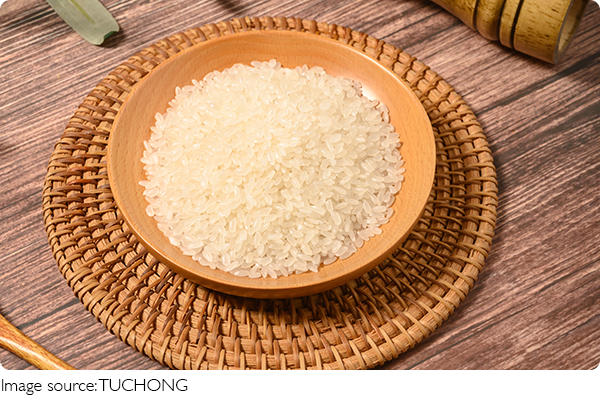
What's Actually Inside a Grain of Rice
Beyond carbohydrates, rice contains a more interesting nutritional profile than most people realize. White rice provides:
- B vitamins including thiamine (B1), niacin (B3), and B6, which support nerve function and energy metabolism
- Manganese — a single serving covers around 20% of your daily requirement, supporting skeletal strength and enzyme function
- Phosphorus and magnesium, both important for muscle function and structural body strength
- Small amounts of iron and zinc
- Around 2–3 grams of protein per 100-gram serving
Brown rice retains its bran and germ layers, which gives it higher amounts of dietary fiber, magnesium, and naturally occurring antioxidants compared to white rice. According to the Harvard T.H. Chan School of Public Health, these outer layers contain many of the grain’s nutrients that are removed during the refining process used to produce white rice.
The fiber in brown rice helps slow the digestion and absorption of carbohydrates, leading to a more gradual rise in blood sugar and a steadier release of energy. The Mayo Clinic notes that whole grains are generally digested more slowly than refined grains, which may help support better blood sugar control and longer-lasting satiety.
Digestive Benefits
White rice is one of the most easily digestible grains available, which is why it's a staple recommendation for people with sensitive stomachs, recovering from digestive upset, or managing conditions like irritable bowel syndrome. It's low in fiber compared to brown rice, which sounds like a downside but is actually an advantage when your gut needs a rest. The starch in rice also acts as a mild prebiotic when rice is cooked and then cooled — the resistant starch that forms feeds beneficial gut bacteria, improving the gut environment over time.
Brown vs. White — Which Should You Choose?
The honest answer is: both have their place. Brown rice wins on fiber content, mineral density, and slower energy release — better for people managing blood sugar levels or looking for more sustained fullness after meals. White rice wins on digestibility, cooking simplicity, and being gentler on the stomach. Neither is inherently bad. The choice depends on your body's needs and what else is on your plate. Pairing white rice with vegetables, legumes, and protein sources balances out the meal nutritionally without needing to stress about the rice itself.
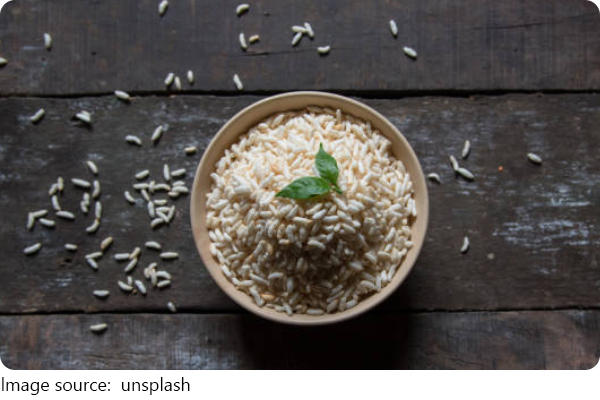
How to Get the Most Out of Your Rice
A few simple habits make a real difference:
- Rinse rice before cooking to remove excess surface starch and any residual processing residue
- Cook with the absorption method rather than boiling and draining — you keep more of the water-soluble B vitamins
- Let cooked rice cool before eating if resistant starch is a priority — cooling converts some of the digestible starch into resistant starch
- Avoid keeping cooked rice at room temperature for more than two hours to prevent bacterial growth
Rice has fed billions of people across thousands of years for good reason. It's affordable, versatile, easy to digest, and genuinely nutritious when understood properly. The next time someone tells you to skip the rice, you'll know exactly what they're missing.