Elephant Memory Secrets

Liam Reilly
| 24-04-2026
 · Animal team
Dear Lykkers, the saying “elephants never forget” has been passed down for a long time, but it is more than just a popular phrase. It comes from real scientific findings about how elephants think, remember, and survive in the wild.
Today, we take a closer look at how elephants use memory to find resources, stay connected with their groups, and move safely across large natural landscapes. Their memory is not only impressive, but it is a key part of their survival.
The Elephant Brain: A Natural Memory Center
Elephants have one of the largest brains among land animals, weighing around 5–6 kilograms. This gives them a strong ability to store and process information over long periods.
Inside the brain, the hippocampus and neocortex are especially well developed. These areas are responsible for learning, spatial awareness, and long-term memory. The hippocampus helps elephants remember places such as water sources, migration paths, and safe zones.
Because of this brain structure, elephants can learn quickly, adapt to environmental changes, and retain important experiences for many years.
Scientific Evidence of Strong Memory
One of the most amazing abilities of elephants is their ability to remember locations of water. In dry environments, water is life. Studies show that elephants can recall water sources they visited many years ago. Even after long gaps, they can still find these places with great accuracy.
Researchers have also observed elephants returning to old travel routes during dry seasons. Instead of searching randomly, they rely on memory to guide them. This ability helps them survive in changing and challenging environments.
Another important skill is social memory. Elephants can recognize individuals they have not seen for many years. They identify others through sound, smell, and behavior. This helps them maintain strong social bonds and stable group structures.
Emotional Memory and Social Bonds
Elephants are known for their deep emotional responses. When they encounter the remains of another elephant, they often stop and spend long periods nearby. They may gently touch the remains using their trunks, showing careful and calm behavior.
These actions suggest that elephants not only remember events but also remember the emotions connected to them. This emotional memory helps explain why they form strong, lasting social connections within their groups.
How Memory Supports Survival
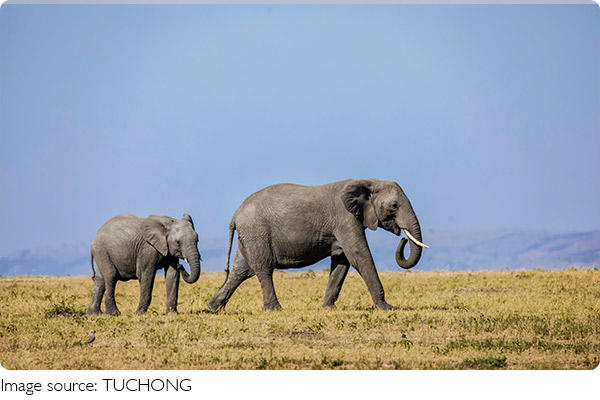
Memory plays a key role in elephant survival. Older female elephants often lead their groups because they hold valuable memory about migration paths, water sources, and safe areas.
Young elephants learn by observing adults. They remember what they see and apply it later in life. This learning process helps knowledge pass from one generation to the next without written records or formal instruction.
Thanks to this system, elephant groups can survive in changing environments by relying on shared experience and long-term memory.
Real-Life Importance of Elephant Memory
Understanding elephant memory is very important for conservation efforts. Wildlife researchers use knowledge of elephant behavior to design better protected areas.
For example, elephants depend on stable routes and familiar landscapes. If their environment changes too quickly, it can confuse their natural memory-based navigation. By keeping migration paths and water access stable, conservation teams help reduce stress and improve survival conditions.
Eco-education programs also highlight elephant memory to increase public awareness. When people understand how intelligent elephants are, they are more likely to support protection efforts.
Myths and Real Understanding
Even though elephants have amazing memory skills, there are some common misunderstandings. Their memory is not perfect or unlimited. It is especially strong for places and social connections, but less focused on small everyday details.
Also, memory can weaken if it is not used regularly. Like many animals, elephants rely on repetition to strengthen what they remember over time.
So, while the phrase “elephants never forget” is powerful, it is more symbolic than absolute.
Final Thoughts for Lykkers
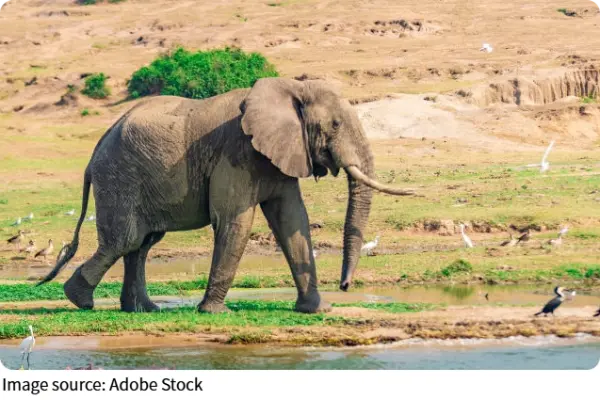
Lykkers, elephants show us that memory is more than just remembering facts. It is about survival, relationships, and emotional connection.
Their ability to remember landscapes, companions, and life experiences reflects a deep intelligence shaped by nature. By understanding them, we gain a better view of how complex wildlife can be.
Protecting elephants means protecting this extraordinary intelligence and the natural systems they depend on.