Newport Bay

Darius
| 06-05-2026
 · Travel team
Newport Bay feels like a place where time slows down naturally. It is shaped by gentle tides, sheltered waters, and a long relationship between land and sea, creating a coastal setting that feels both active and peaceful at once.
Boats drift in and out of the harbor, while quieter corners of the bay offer uninterrupted views of the horizon.
It is not just a scenic shoreline—it is a layered coastal environment where nature, recreation, and maritime life coexist.
Harbor Life and Coastal Rhythm
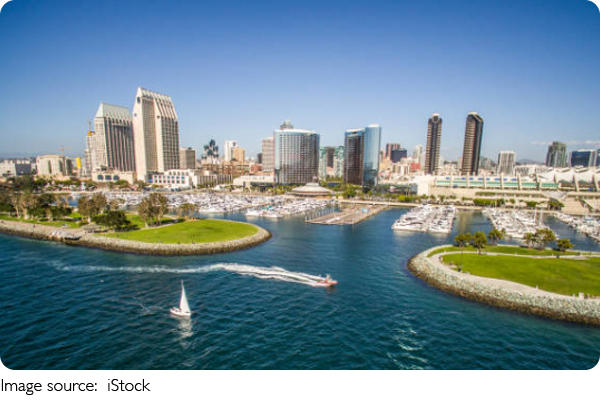
The bay is defined by its harbor activity. Small vessels, sailing boats, and leisure craft move steadily through the water, guided by wind patterns and tidal flow. The marina areas are carefully structured, yet the atmosphere remains relaxed.
Morning hours often bring soft light across the water, while evenings reflect warm tones across the surface, giving the bay a constantly shifting visual character.
Key features of harbor life include:
1. Steady boat movement — consistent maritime activity throughout the day
2. Protected waters — calmer conditions compared to open sea areas
3. Scenic docking zones — areas designed for both function and viewing
This balance makes the bay suitable for both navigation and leisure observation.
Shoreline Walks and Viewing Points
Along the edges of Newport Bay, walking paths follow the natural curve of the shoreline. These routes allow visitors to experience different perspectives of the water, from close harbor views to wider coastal panoramas.
The terrain is generally smooth and accessible, making it easy to move between viewpoints without interruption.
Popular walking highlights include:
1. Waterfront promenades — direct views of moored boats
2. Elevated outlooks — broader perspective of the bay structure
3. Quiet inlets — sheltered areas with minimal activity
Each section offers a slightly different interpretation of the same coastal space.
Natural Conditions and Water Movement
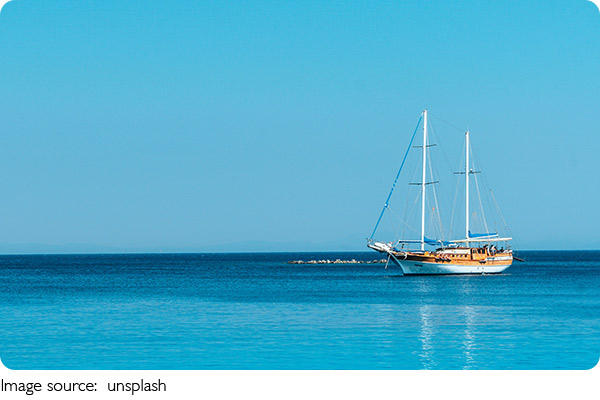
The bay's shape naturally reduces wave intensity, creating calmer waters compared to exposed coastal zones. This makes it suitable for sailing practice, casual boating, and shoreline relaxation.
Tidal changes subtly influence the appearance of the bay, altering reflections and shoreline edges throughout the day.
The interaction between wind and water is constant but gentle, contributing to a stable yet dynamic environment.
Leisure Activities Around the Bay
Newport Bay supports a variety of low-impact recreational activities. These are closely tied to the water and surrounding infrastructure.
Common activities include:
1. Sailing and boating — small boat rentals typically range from $40–$120 per hour, depending on the vessel
2. Kayaking and paddleboarding — rentals usually cost around $20–$35 per hour
3. Harbor cruises — guided boat tours range from $25–$60 per person
4. Waterfront dining and relaxation — casual meals start around $15–$25, while mid-range dining averages $30–$60 per person
Each activity is shaped by the bay's calm conditions, making it accessible for different experience levels.
Architecture and Coastal Design
The built environment around the bay blends modern waterfront design with functional maritime structures. Marinas, walkways, and viewing platforms are integrated into the landscape without overwhelming the natural setting.
Buildings near the water often emphasize open views, using glass and light materials to reflect the coastal surroundings.
This design approach ensures that the natural scenery remains the central focus.
Newport Bay
A Coastal Space in Balance
Newport Bay stands out because of its balance between movement and stillness. Boats come and go, people explore the shoreline, and the water continues its steady rhythm.
It is a place where activity never feels rushed, and quiet moments are never far away. The bay's enduring appeal lies in this equilibrium—between human use and natural calm, between structure and openness.