Coastal Calm

Arjun
| 06-05-2026
 · Travel team
Step into the Faro District and the atmosphere changes immediately. The air feels lighter, the streets open wider, and the horizon seems closer. Located in southern Portugal within the city of Faro, this district is shaped by the sea, salt breeze, and a slower rhythm of daily life.
It is not a place built for rush or noise. Instead, it offers a steady blend of coastal scenery, historic traces, and relaxed neighborhoods that reflect the essence of the Algarve region.
A Gateway to the Algarve Coast
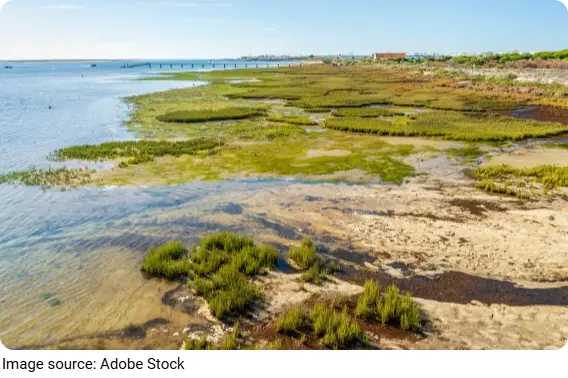
Faro District sits at the edge of the famous Algarve coastline, where the Atlantic Ocean shapes both geography and lifestyle. The nearby lagoon system of Ria Formosa creates a unique natural barrier of islands, channels, and wetlands.
This environment influences everything—from local fishing traditions to the layout of small streets and waterfront paths. The district feels closely connected to the water, even when you are walking inland.
Faro District
How to Reach Faro District
Access to Faro is straightforward due to its strong transport connections within southern Portugal.
1. By air
Faro Airport is located just a short distance from the city center, making it the main international entry point. Taxi or shuttle rides typically cost $10–$20.
2. By train
The main railway station connects Faro with Lisbon and other Algarve towns. Tickets usually range from $15–$35, depending on distance.
3. By bus
Regional buses provide affordable travel options, often costing between $5–$20.
4. Local transport
Within the district, walking and small taxis are the most common ways to move around.
Old Town Atmosphere and Architecture
One of the most distinctive parts of the district is its historic center. Narrow cobblestone streets, whitewashed buildings, and quiet plazas create a timeless environment.
Key visual elements include:
• Traditional tiled facades reflecting Portuguese design heritage
• Arched gateways leading into small courtyards
• Centuries-old stone walls surrounding the old town area
The combination of preserved architecture and lived-in neighborhoods gives the district a grounded, authentic feel.
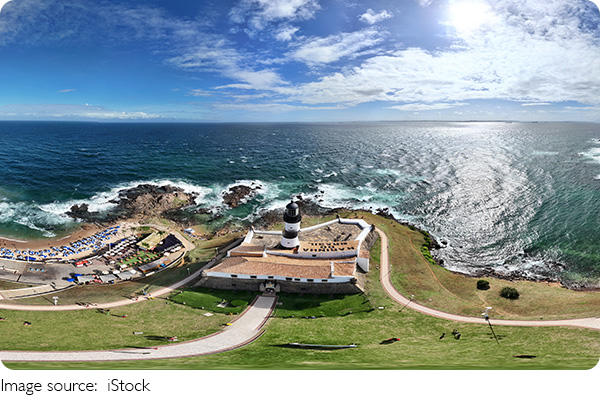
Coastal Nature and Island Views
Beyond the urban center, nature becomes the dominant feature. The nearby lagoon system is home to calm waters, bird habitats, and sandbank islands that shift with tides.
Visitors often explore:
1. Boat routes through the lagoon channels
2. Quiet beaches on surrounding islands
3. Observation points for coastal wildlife
4. Open water views stretching toward the Atlantic
This natural balance is one of the district's defining characteristics.
Food and Local Atmosphere
The Faro District is also known for its relaxed dining culture. Small restaurants and cafés focus on fresh regional ingredients, especially seafood and seasonal produce.
Typical meal costs:
• Casual cafés: $8–$15 per meal
• Mid-range restaurants: $15–$30 per person
• Waterfront dining: $30–$60 per person
Meals are often enjoyed outdoors, especially in plazas or near the harbor area, where the environment enhances the experience.
Where to Stay
Accommodation options in Faro District vary from simple guesthouses to modern hotels near the coastline.
• Budget stays: $50–$100 per night
• Mid-range hotels: $100–$180 per night
• Premium waterfront stays: $180–$350+ per night
Many places are within walking distance of both the old town and the natural lagoon areas, making exploration convenient without long travel times.
Final Reflection
The Faro District is not defined by a single landmark or attraction, but by its balance of sea, history, and everyday life. Within Faro, it represents a slower and more reflective side of coastal living.
Whether walking through its quiet streets or looking across the lagoon toward open water, the district leaves an impression of calm continuity—where nature and culture exist side by side without urgency.