Car Air Purifier Insights

Pankaj Singh
| 24-04-2026
 · Automobile team
Ever noticed a faint smell when you first hop into your car on a hot day or a slight haze on the windshield during traffic jams?
That's a reminder that the air inside your car isn't always as clean as it seems. Modern vehicles are equipped with air purification systems that filter out dust, pollen, and harmful particles, helping you breathe easier while driving.
Understanding how these systems work and their health impacts can make a real difference in comfort and wellbeing.
How Car Air Purifiers Work
Car air purifiers operate by filtering incoming air and circulating clean air inside the cabin. Most systems are integrated with the HVAC (heating, ventilation, and air conditioning) setup.
Cabin air filter – Usually located behind the glove compartment, it traps dust, pollen, and debris before air reaches passengers.
HEPA filters – High-efficiency particulate air filters capture microscopic particles, including allergens and fine dust, that standard filters might miss.
Activated carbon filters – These absorb odors, fumes, and some volatile organic compounds (VOCs), improving overall air quality.
Ionizers and electronic purifiers – Some systems release negative ions or use electrostatic charges to remove airborne particles, enhancing freshness.
Actionable tip: Check your car's manual to locate the cabin filter and inspect it every 12,000 miles or once a year. If it looks gray or clogged, replace it to maintain optimal airflow and filtration.
Benefits for Health
Breathing clean air in your car is not just about comfort—it can affect physical wellbeing.
Reduced allergies – HEPA filters capture pollen, dust, and pet dander, helping prevent sneezing, watery eyes, and respiratory irritation during long commutes.
Lower exposure to pollutants – Traffic fumes and fine particulate matter are filtered out, reducing inhalation of harmful compounds that can affect lung health.
Improved alertness – Cleaner air can reduce fatigue and headaches, helping you stay focused on the road.
Actionable tip: If you commute in urban areas with heavy traffic, switch your HVAC to recirculation mode occasionally. This helps the purifier clean the internal air more efficiently while minimizing intake of outside pollutants.
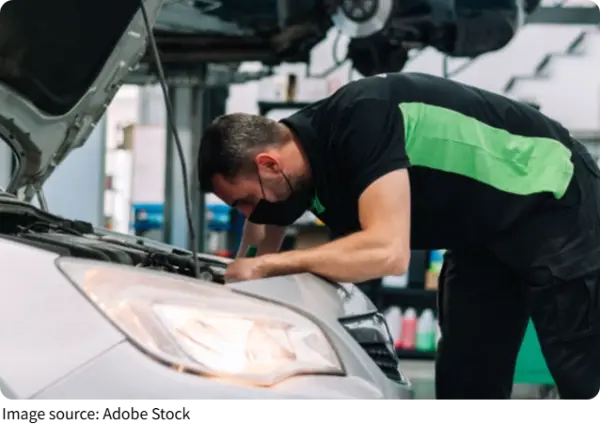
Signs Your Air System Needs Maintenance
Even the best air purifiers require upkeep. Watch for these indicators:
Strange odors – A musty or chemical smell may indicate a dirty filter or mold growth inside the HVAC system.
Reduced airflow – Weak or uneven air circulation often points to clogged filters.
Visible dust or debris – Check vents; accumulation suggests the filter is no longer effectively trapping particles.
Actionable tip: Every few months, remove and inspect the cabin filter. If dust is visible or airflow is sluggish, replace it immediately. Some filters also have indicators—use them to know when replacement is due.
Proper Maintenance Practices
Regular care keeps the system effective and extends filter life.
Replace filters on schedule – Follow the manufacturer's recommendations; some filters last 12,000 miles, others up to 24,000.
Clean air vents – Wipe vent surfaces with a microfiber cloth to prevent dust buildup that could reduce efficiency.
Check for mold or mildew – Occasionally spray a safe HVAC cleaner if you notice odors, especially after rainy seasons.
Actionable tip: Keep a spare cabin filter in the trunk. When the filter shows signs of wear, you can replace it immediately without waiting for a service appointment.
Maximizing System Effectiveness
Beyond replacing filters, some habits enhance air purification:
Avoid recirculation mode for extended periods – While helpful for reducing pollutants in traffic, recirculation should be balanced with fresh air intake to prevent CO₂ buildup inside the cabin.
Regularly vacuum the interior – Removing dust and debris from seats and carpets prevents particles from being picked up and recirculated.
Limit burning or strong scents inside the car – These can overload filters and reduce purification efficiency.
Actionable tip: After heavy rain or driving on dusty roads, run the HVAC with fresh air mode for 5–10 minutes to flush out contaminants trapped inside the system.

Clean air in your car isn't just a convenience—it's a small daily investment in your health. Understanding how your vehicle's air purification system works and keeping it maintained ensures that each ride feels fresher, safer, and more comfortable. Taking a few minutes to inspect filters, clean vents, and follow simple routines makes a big difference for both immediate comfort and long-term wellbeing.