The Secret Path

Declan Kennedy
| 29-04-2026
 · Travel team
Perched precariously on the edge of a sheer granite cliff, the Inca Bridge is one of the most mysterious and hair-raising architectural features of the Machu Picchu sanctuary.
It was cleverly designed as a hidden defensive access point that could be easily blocked to protect the ancient city.
This isn't your typical river crossing; it is a strategic masterpiece of engineering designed for stealth and security. It allowed the Inca to control access to the site by simply removing the wooden logs when needed. This clever design ensured that the sanctuary remained an impregnable fortress, hidden deep within the rugged peaks and protected by the very landscape the Inca had mastered.
As you walk the narrow, winding trail toward this stone relic, the lush Peruvian cloud forest drops away into a thousand-meter abyss, offering a visceral connection to the ingenuity of a civilization that mastered the impossible heights of the Andes. The thin mountain air carries a sense of ancient mystery, as if the stones themselves are whispering secrets of the travelers who once traversed these precarious edges centuries ago.
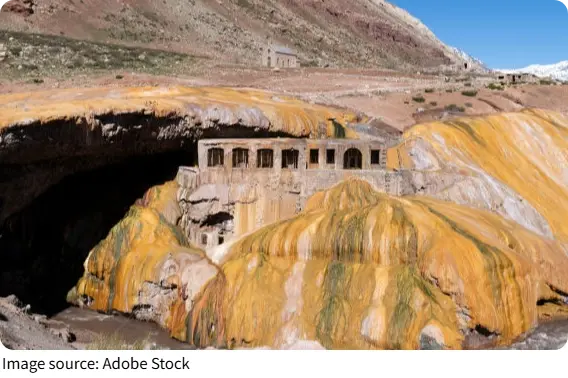
Engineering the Cliffside
The Inca Bridge is part of a mountain trail that leads westward from the main citadel. Unlike the grand stone temples in the city center, this structure is a brilliant example of defensive planning. The "bridge" itself consists of several long, sturdy tree trunks spanning a gap in a narrow stone path carved directly into the vertical cliff face.
The stone base was built using the classic dry-stone masonry technique, where rocks were fitted together so perfectly that they remain stable without mortar. By simply removing the wooden logs, the Inca could instantly cut off the entrance to Machu Picchu, making the path impassable for unwanted visitors. This clever "removable" design highlights how the empire used the natural topography of the mountains as a primary line of defense.
The Trek to the Edge
To reach the bridge, visitors must take a twenty-minute hike from the Agricultural Sector of the citadel. The path is narrow and, at times, hugs the cliff so closely that those with a fear of heights might feel their pulse quicken. The trail is lined with diverse Andean flora, including wild orchids and vibrant bromeliads that thrive in the misty atmosphere.
As you approach the bridge, the view of the Urubamba River snaking through the valley floor below is breathtaking. The silence of the area is often only broken by the occasional call of an exotic bird or the rustle of leaves in the mountain breeze.
For safety reasons, walking across the actual logs is strictly prohibited today, but a sturdy gate allows you to stand just a few meters away, providing a clear view of the terrifying drop and the masterful stonework that supports the ledge.
Essential Visitor Logistics
Visiting the Inca Bridge requires an entrance ticket to the main Machu Picchu site. It is often included in the standard "Circuit 1" or "Circuit 2" routes, making it an easy add-on for most travelers.
Practical Travel Information:
1. Transportation: First, travel from Cusco to Aguas Calientes via the PeruRail or Inca Rail train (tickets range from $70 to $150). From Aguas Calientes, take the 20-minute shuttle bus to the entrance for $12 each way.
2. Opening Hours: The sanctuary is open from 6:00 AM to 5:30 PM. The trail to the Inca Bridge usually closes around 4:00 PM to ensure everyone returns before dark.
3. Admission Prices: A standard entrance ticket to Machu Picchu costs approximately $45 for foreigners. You must book your specific time slot months in advance.
4. Accommodation Options: Staying in Aguas Calientes is the most common choice. Hotels like Taypikala range from $110 to $160 per night. For extreme luxury, the Sanctuary Lodge at the entrance is over $1,200 per night.
5. Food: Local restaurants offer meals starting from $8 to $15. Mid-range restaurants typically cost around $15 to $30 per person. Fine dining options can exceed $50 per person.
6. Physical Requirements: While the hike is relatively flat, the high altitude (2,430 meters) can make breathing difficult. It is recommended to spend at least two days in Cusco to acclimate.
Inca Bridge
The Role of the Chasqui
This bridge was likely a vital link for the "Chasquis," the legendary Inca messengers. These highly trained runners traveled vast distances across the empire, carrying messages and fresh goods. The trail connected to the bridge was part of the expansive Qhapaq Ñan road network. Using paths like this, a message could travel from the coast to the mountain peaks in record time.
The narrowness of the path meant that a single runner could move quickly, while a large group of intruders would be easily spotted and stopped by the removal of the bridge logs.
Planning for the Altitude and Weather
The weather in the cloud forest is notoriously unpredictable. It is essential to bring a high-quality waterproof jacket and wear sturdy hiking boots with excellent grip, as the stone path can become slippery when the mist rolls in. Because the path is so narrow, the site often limits the number of people who can be on the trail at once. Arriving in the early morning is the best way to enjoy the tranquil atmosphere before the large tour groups arrive.
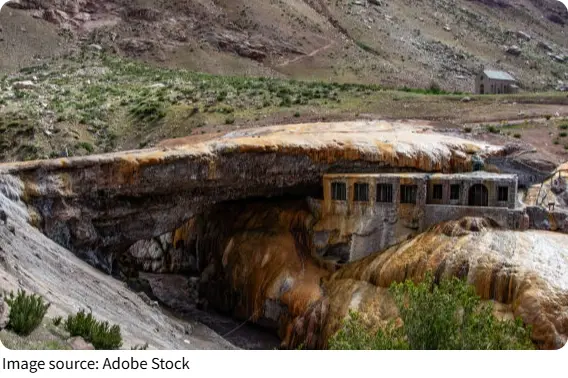
The Inca Bridge stands as a silent witness to the sophisticated tactical mind of the Inca people. It represents a perfect harmony between man-made structure and the raw, unforgiving beauty of nature. From the clever engineering of its removable logs to the stunning vistas of the Andean peaks, a visit to this cliffside path offers a deeper understanding of how the inhabitants of Machu Picchu lived, worked, and protected their sacred home.