Fushimi Ward Guide

Daniel
| 24-04-2026
 · Travel team
Step away from the overcrowded city center and enter Fushimi Ward, a district defined by the rhythmic flow of pure spring water and thousands of vermilion gates.
While most tourists only see the entrance to the famous shrine, the true depth of Fushimi lies in its industrial history as a vital transportation hub and its unique geological "water circuit."
This is a place where the air feels cooler, the history is etched into wooden canal-side warehouses, and the pace of life follows a different mechanical frequency. To truly experience Kyoto, you must master the SOP of Fushimi, moving from the spiritual heights of the mountains to the tranquil flow of the canals.
Fushimi Ward
The Vermilion Corridor
The most iconic specimen of Fushimi's architecture is the Fushimi Inari Shrine. This massive complex is a vertical climb through a network of over 10,000 torii gates that act as a visual tunnel toward the peak of Mount Inari.
The climb is a rigorous physical audit, taking approximately 2 to 3 hours to reach the summit. As you ascend, the crowds thin out, and the "atmospheric pressure" of the forest takes over. The gates are not just decoration; they are structural donations, each inscribed with the name of the benefactor. At the Yotsutsuji intersection, you gain a panoramic view of the Kyoto basin. The shrine is open 24 hours a day, and there is no entry fee ($0), making it the most accessible high-value landmark in the region. For the best experience, initiate your ascent at 6:00 AM to avoid the "thermal load" of the midday sun and the influx of tour groups.
The Water and Willow District
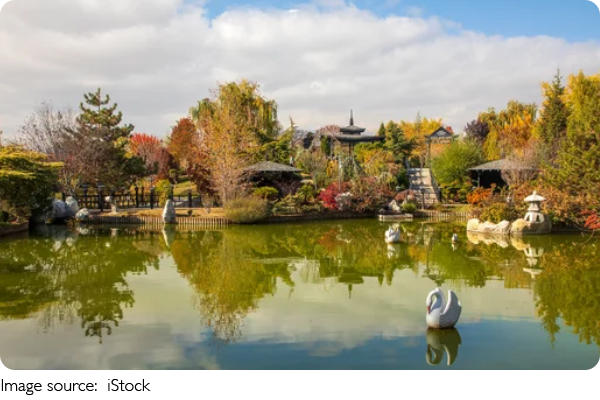
Fushimi is geographically unique because of its high-quality underground springs. This "liquid hardware" led to the development of the district as a premier production zone for traditional beverages (processed without any restricted substances).
The Horikawa Canal area is lined with traditional wooden warehouses and willow trees. You can board a Jukkoku-bune, a traditional flat-bottomed boat that recreates the transport SOP of the Edo period. These boats operate from 10:00 AM to 4:00 PM, and a round-trip ticket costs approximately $10. The canal tour provides a detailed look at the "Gekkeikan Okura" museum, where you can study the industrial evolution of the area. Entrance to the museum is roughly $4, and it offers a deep dive into the filtration systems and the history of the canal trade that once linked Kyoto to Osaka.
Logistics and Practical Specs
Navigating Fushimi requires a basic understanding of the rail interface. The district is served by two major lines that provide high-speed access from the Kyoto central hub.
Travel and Accommodation Data
• Transportation Interface: Take the JR Nara Line from Kyoto Station to Inari Station (approx. 5 minutes, $1.50) for direct shrine access. Alternatively, the Keihan Main Line connects Fushimi-Inari Station to the southern Fushimi-Momoyama area (approx. $2.20).
• Operating Hours: Most museums and canal boats operate from 9:00 AM to 4:30 PM. The Fushimi Inari Shrine remains open 24/7.
• Accommodation Metrics: Staying in Fushimi is more cost-effective than the Gion district. Boutique guest houses range from $50 to $80 per night, while high-spec business hotels average $100 per night.
• Proximity Note: The district is a 15-minute train ride from the Uji region, allowing for a dual-district itinerary in a single 12-hour cycle.
The Mechanical Soul of Kyoto
Fushimi Ward is a reminder that the most durable parts of a culture are often built on its natural resources. The pure water flowing beneath the streets is the "operating system" that sustained this district for centuries, through trade, faith, and industry.
Exploring Fushimi teaches us the importance of a solid foundation. Whether it is the thousands of gates standing firm on a mountainside or the canal boats moving steadily through the water, the district reflects a commitment to structural endurance and flow. It is a place to recalibrate your own internal pace and appreciate the precision of history. Are you ready to step off the beaten path and engage with the real machinery of Kyoto, or will you stay on the surface? The gates are open, and the water is flowing. Real discovery begins when you venture beyond the entrance.