Growing Balloon Flowers

Liam Reilly
| 08-04-2026
 · Plants team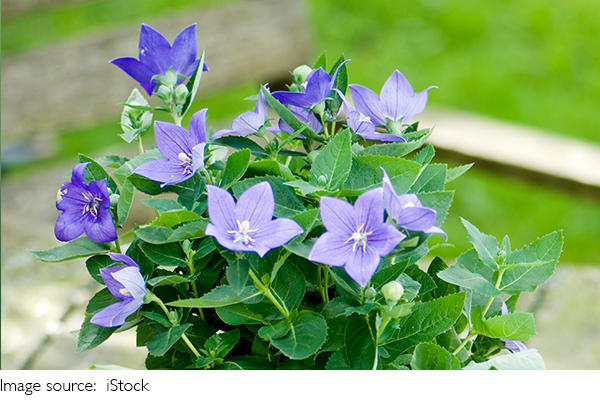
Platycodon grandiflorus, commonly known as balloon flower, is admired for its unique, balloon-shaped buds that open into stunning star-like blossoms.
Its vibrant blue, pink, or white flowers make it a standout in gardens and containers alike.
Beyond beauty, it's a resilient perennial, capable of thriving in a variety of conditions, making it an ideal choice for beginner and experienced gardeners.
Observing balloon flowers throughout the season can be a rewarding experience, as they gradually transform from inflated buds to delicate blooms, adding charm to any outdoor or indoor planting space.
Choosing the Right Location
Platycodon grandiflorus thrives in well-drained soil with a sunny or partially shaded location. Full sunlight encourages abundant flowering, while light shade is suitable in hotter climates to prevent leaf scorch. Avoid areas prone to waterlogging, as excessive moisture can lead to root rot. For container planting, select pots with drainage holes and fill them with a rich, loose potting mix to support healthy root development.
Planting Techniques
Seeds: Start seeds indoors 6–8 weeks before the last frost. Sow them on the surface of a moist seed-starting mix and gently press them in without covering. Germination typically occurs within 2–3 weeks under consistent warmth and light.
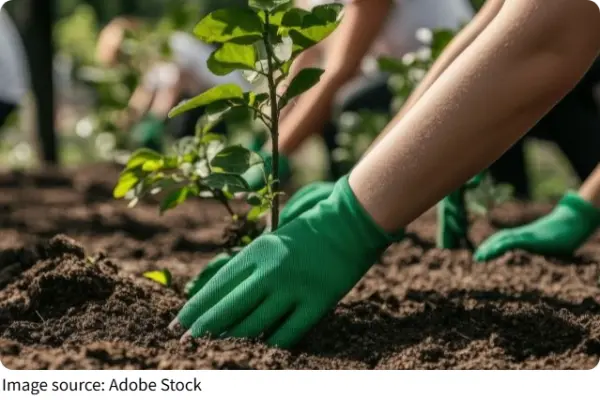
Transplants: Harden seedlings gradually before moving them outdoors to prevent shock. Space plants approximately 12–18 inches apart to allow air circulation and reduce disease risks.
Division: Mature balloon flowers can be divided every few years to propagate new plants and rejuvenate older clumps, ensuring continued vitality and flower production.
Watering and Maintenance
Balloon flowers prefer moderate watering, allowing the soil to dry slightly between sessions. Mulching around the base helps retain moisture and suppress weeds. Regular removal of spent blooms, or deadheading, encourages prolonged flowering. In addition, supporting taller varieties with stakes or plant rings prevents stems from bending under the weight of the flowers, keeping the display tidy and visually appealing.
Fertilization and Soil Care
Balanced Fertilizer: Apply a slow-release, balanced fertilizer in early spring to support initial growth.
Supplemental Feeding: During peak growing season, use a liquid fertilizer every 3–4 weeks to maintain vibrant blooms and strong stems.
Soil Health: Ensure the soil remains slightly acidic to neutral (pH 6.0–7.0). Adding compost improves fertility, drainage, and overall plant resilience.
Pest and Disease Management
Balloon flowers are generally resistant to pests, but occasional aphids or slugs may appear. Handpick or use safe, plant-friendly treatments to control infestations. Proper spacing and air circulation reduce the risk of fungal infections such as powdery mildew. Monitoring plants regularly ensures any issues are addressed early, maintaining healthy growth and stunning blossoms.
Growing Platycodon grandiflorus is both a visual and rewarding experience. Each stage of growth—from balloon-like buds to open star-shaped flowers—offers a sense of accomplishment and connection to nature. Patience, proper care, and observation allow gardeners to fully appreciate the beauty and resilience of these remarkable plants.
By cultivating balloon flowers, one not only enhances garden aesthetics but also fosters a deeper understanding of plant development and seasonal rhythm.