Choose Your Violin

Caroll Alvarado
| 02-04-2026
 · Art team
When you first start playing the violin, walking into a music store filled with dozens of violins can feel overwhelming.
The sheer variety of shapes, sizes, and brands might leave you wondering, “Which one is right for me?”
It's a question many beginners ask, and it's crucial to find the violin that suits your needs. Just like shoes, the right violin should fit you both physically and musically. But with so many options out there, how do you know which one will make your learning experience more enjoyable and help you sound your best? Let's break it down.
Understanding Violin Sizes
The first factor you should consider is the size of the violin. Violins come in various sizes, from full-sized (4/4) to smaller ones for younger players. Picking the right size ensures comfort and proper technique.
- Full Size (4/4): Typically for adults or older children. A full-sized violin offers the best sound and projection, but it can be difficult for younger players to handle.
- 3/4 Size: Often used for children aged 9 to 12 years, this size is great for players who are transitioning from smaller instruments.
- 1/2, 1/4, and Smaller Sizes: These sizes are for younger children, and the smaller the size, the easier it is to manage the bowing and finger positioning.
A violin that is too large or too small will make it harder for you to play comfortably, so be sure to test out different sizes before committing to one.
Material Matters: Wood vs. Composite
The material of the violin plays a significant role in both its durability and sound. Most violins are made of wood, but there are some alternatives that offer different advantages, especially for beginners.
- Traditional Wood Violins: These are typically made from spruce (for the top) and maple (for the back, sides, and neck). Wood violins are known for their rich sound quality, but they are more delicate and require more care.
- Composite Violins: These violins are made of synthetic materials and are more durable and weather-resistant. While they may not produce the same warm, deep tone as wood violins, they're often a great choice for beginners who are still figuring out how to care for their instrument.
If you're looking for a violin that can withstand temperature changes and rough handling, a composite violin might be your best bet. However, for a more traditional sound, a wooden violin is the way to go.
Sound Quality: What to Listen For
The sound of a violin is one of the most important factors to consider, and this often comes down to personal preference. When testing out violins, listen for tone quality, projection, and resonance.
- Tone Quality: Is the sound warm and full, or is it thin and tinny? A rich, balanced tone is usually a good indicator of a high-quality violin.
- Projection: Does the sound carry well across the room, or does it get muffled easily? A violin with good projection will be more suitable for playing in larger spaces, such as ensembles or orchestras.
- Resonance: Does the violin vibrate freely, producing a vibrant sound? A well-resonating violin will feel “alive” and more engaging to play.
When choosing a violin, trust your ear. Spend time playing each instrument and listen to how the sound develops when you play different types of music.
The Importance of Setup
Even the best violin can sound mediocre without a proper setup. A good setup can make a world of difference in how the violin feels and sounds.
- Bridge: The bridge is critical in determining how well the violin transmits sound from the strings to the body. Ensure the bridge is properly aligned and fitted to your violin.
- Strings: The strings should be of good quality and properly tensioned. Over time, you may want to upgrade to strings that suit your style of playing.
- Fingerboard and Bow: The fingerboard should be smooth and free of any defects that could interfere with your playing. The bow should be balanced, with the right amount of tension in the hair.
If you're buying a violin from a store, ask if they can check the setup for you, or consider taking it to a professional luthier for adjustments. A proper setup will allow you to get the best possible sound from your violin.
Budget: Finding a Balance Between Cost and Quality
While it's tempting to go for the most expensive violin in the store, it's important to find an instrument that fits your budget while still offering good sound quality.
- Beginner Violins: These are often more affordable, but you may need to compromise on sound quality. Look for a violin that is sturdy, well-set up, and plays well within your budget.
- Intermediate and Advanced Violins: As you improve, you may want to invest in a violin that offers better sound quality and craftsmanship. These violins are usually made with higher-quality materials and a more refined setup.
- Renting vs. Buying: If you're not sure about making a long-term commitment, renting a violin can be a good option, especially for beginners. This allows you to try different violins without a hefty initial investment.
While it's essential to balance quality and cost, remember that the violin is an investment in your musical journey, and buying a quality instrument will pay off in the long run.
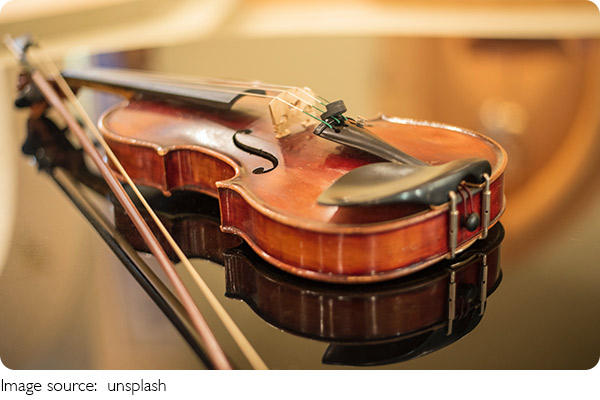
Finding Your Perfect Violin
Choosing the right violin is a deeply personal decision. The best violin for you depends on factors like your playing style, physical comfort, and musical aspirations. Don't rush the decision; take your time to test different violins, ask questions, and seek advice from teachers or experienced players. After all, your violin is not just an instrument—it's your partner in making beautiful music. Whether you're just starting out or moving to a more advanced level, finding the right violin will help you grow as a musician and create a deeper connection with your music.