The Oatmeal Effect

Owen Murphy
| 29-03-2026
 · Cate team
Nutritional research often produces fascinating headlines, especially when a simple everyday food appears to create surprisingly powerful health effects.
Oatmeal, a humble breakfast staple that many people associate with comfort or routine eating habits, has recently become the focus of an unusual clinical experiment.
In a small but intriguing study published in Nature Communications, researchers explored what might happen if people dramatically increased their oat consumption for a very short period of time. The experiment lasted only two days, yet the results suggested that this brief dietary shift could noticeably influence cholesterol levels. Even more interesting, the benefits appeared to persist well after participants returned to their usual eating habits.
The study immediately caught attention because of its simplicity. Rather than testing complicated supplements or medical treatments, the researchers focused on something almost everyone already recognizes: plain rolled oats.
A Short Oat-Based Diet With Big Effects
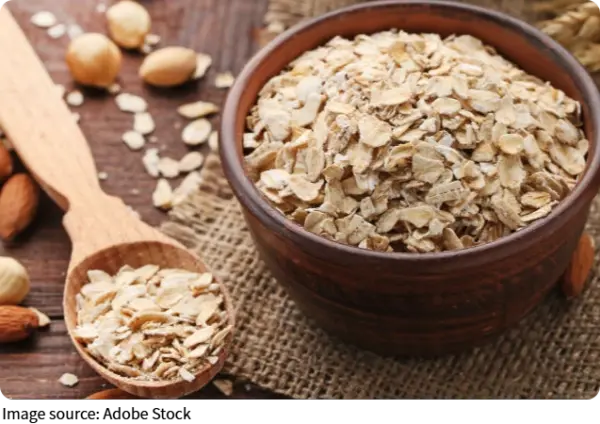
In the clinical trial, participants were asked to follow a highly controlled eating plan for two consecutive days. Those assigned to the oat-focused group consumed approximately 100 grams of rolled oats prepared with water three times daily. The meals were intentionally simple and avoided additional ingredients that might influence the results.
Participants were allowed only limited toppings such as small portions of fruits or vegetables. Salt, sweeteners, and other flavor additions were excluded to keep the diet consistent. The goal was to observe the physiological effects of oats themselves rather than the impact of other foods.
Meanwhile, a separate control group followed a different dietary plan. This group ate a generally healthy, calorie-reduced diet that did not include oats. Both groups significantly lowered their calorie intake during the short experiment, reducing it by roughly half compared with their typical consumption.
Even though both groups consumed fewer calories, the outcomes differed noticeably.
Noticeable Drops in Cholesterol Levels
The participants who followed the oat-focused diet experienced measurable changes in several health indicators. Their total cholesterol levels decreased by roughly eight percent during the experiment.
More importantly, levels of low-density lipoprotein cholesterol—often referred to as LDL or “bad” cholesterol—fell by about ten percent. LDL cholesterol is closely associated with cardiovascular risk, which made this result particularly notable.
Participants also experienced smaller but still meaningful improvements in other health markers. Some individuals showed slight reductions in blood pressure, while others lost a modest amount of weight during the short intervention.
Although these improvements were encouraging, researchers pointed out that the results still do not match the powerful effects of prescription medications designed specifically to manage cholesterol levels. Drugs such as statins can produce larger changes, particularly in people with serious cardiovascular concerns.
Why the Benefits Lasted Longer Than Expected
One of the most surprising findings from the experiment appeared weeks later. After the participants returned to their regular diets, scientists continued monitoring their health markers.
Six weeks after the short oat diet ended, LDL cholesterol levels among the oat group remained lower than their original baseline measurements. In other words, the brief dietary change appeared to have a lingering influence.
Researchers believe this may be connected to the gut microbiome, the complex community of microorganisms living inside the human digestive system. When scientists analyzed blood and stool samples from participants, they observed changes in the composition of intestinal bacteria.
Certain microbes seemed to thrive after participants consumed large quantities of oats. These bacteria break down specific compounds found in oats and produce metabolic byproducts during digestion.
One of those byproducts is a compound known as dihydroferulic acid. Previous research suggests that this substance may help reduce the body's storage of cholesterol and support healthier lipid metabolism.
Another Trial With Daily Oat Consumption
The research team also conducted a second experiment that used a less extreme dietary approach. Instead of eating oats exclusively for a short period, participants consumed around 80 grams of oats each day over the course of several weeks while maintaining a broader diet.
The results from this longer trial were more moderate. Participants still experienced improvements in cholesterol levels, but the changes were not as dramatic as those seen in the short, concentrated oat diet.
Nevertheless, the study demonstrated that regular oat consumption can still contribute to measurable health benefits over time.
Important Limitations of the Study
Despite the intriguing results, the researchers noted that the trial was relatively small in scale, with only a few dozen participants, and that much larger clinical studies are needed to determine how broadly effective short‑term, oat‑heavy dietary interventions might be for managing cholesterol in diverse populations.
It’s also worth noting that this research received funding from a mix of organizations, including government and industry sources such as cereal‑related associations in Germany. However, the authors of the study reported that these sponsors did not influence the study’s design, data analysis, or interpretation of the results.
Transparency about funding sources is important in nutritional science because it helps readers evaluate potential bias while considering the findings.
In the end, the study offers an interesting glimpse into how a simple food may influence the body in unexpected ways. While eating plain oatmeal three times a day may not sound like the most exciting menu plan, the research suggests that even brief dietary experiments can reveal surprising insights about how nutrition affects long-term health.