Pineapple Growth

Lucas Schneider
| 26-03-2026
 · Cate team
You've probably seen pineapples stacked in markets, their spiky crowns catching your eye, but have you ever wondered how these tropical fruits grow so well in hot regions? Unlike many plants, pineapples don't need a vast orchard to flourish. Their growth is a mix of clever adaptation, patience, and the right environment.
Watching a pineapple plant slowly mature is like seeing a quiet strategy at work, one that ensures sweet, juicy fruit despite harsh sun and limited water.
The Ideal Climate for Pineapples
Pineapples are perfectly suited to warm, tropical climates. They thrive in temperatures between 20°C and 30°C, with plenty of sunlight. Too cold, and growth slows dramatically; too hot and dry, and the plant risks stress.
1. Constant warmth helps the plant photosynthesize efficiently.
2. High humidity supports leaf and fruit development.
3. Well-timed rainfall ensures the roots absorb enough moisture without waterlogging.
An actionable tip is to monitor local weather patterns if you're growing pineapples. If temperatures dip below 18°C for long periods, consider using protective covers to avoid stunted growth. Observing the sun's path can also guide where to plant for maximum light exposure.
Soil and Drainage: Where Pineapples Root
Pineapples aren't picky about soil, but they do need well-draining ground to prevent root rot. Sandy or loamy soils work best, slightly acidic with a pH of 4.5 to 6.5. Good drainage is critical because standing water can damage young plants.
1. Loose soil allows roots to expand easily.
2. Slight acidity helps nutrient absorption.
3. Avoid heavy clay soils, which retain too much water.
For gardeners, a simple solution is raised beds filled with a sandy-loam mix. Adding organic compost improves fertility and moisture retention without over-saturating the roots. This creates an ideal environment for a healthy pineapple crop.
Watering and Maintenance
Even though pineapples tolerate dry spells better than some tropical plants, consistent moisture is key for fruiting. Too little water slows growth; too much can cause root disease.
1. Water deeply but infrequently to encourage strong root systems.
2. Mulch around the base to maintain soil moisture and reduce evaporation.
3. Trim older leaves to focus energy on the developing fruit.
A practical step is to set up a simple drip irrigation system. This delivers water directly to the roots, preventing wet foliage and reducing the risk of fungal issues, all while conserving water in hot climates.
Flowering and Fruit Development
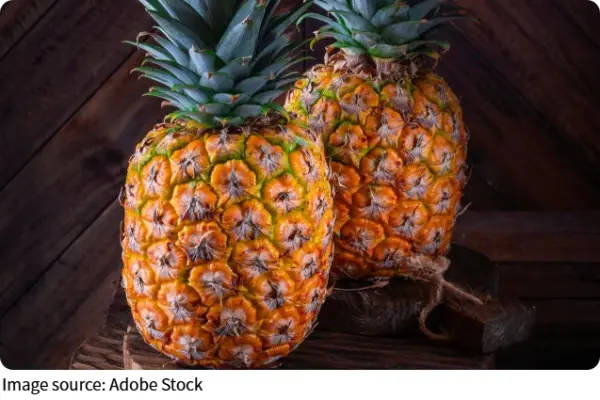
Pineapples take patience. From planting to harvest can take 18–24 months. Flowering is triggered by both maturity and environmental cues, like temperature shifts or chemical treatments in commercial farms. After flowering, it takes about six months for the fruit to fully develop.
1. Flower induction can be natural or assisted with ethylene gas in commercial setups.
2. Fruit develops from a cluster of flowers fused together.
3. Monitoring the plant ensures fruits are not shaded or damaged by leaves.
An actionable example is supporting the fruit with small stakes or soft ties. This prevents the heavy pineapple from tipping the plant, especially when the fruit reaches full size. Regular observation ensures any issues are caught early.
Pests, Diseases, and Protection
Even in the tropics, pineapples face threats from pests like mealybugs and fungal infections. Healthy plants resist problems better than stressed ones.
1. Inspect leaves regularly for small insects or discoloration.
2. Remove any infected leaves to prevent spread.
3. Rotate planting areas if possible to reduce soil-borne pathogens.
A practical tip is using natural deterrents like plant-based oil sprays. These protect the plant without harming beneficial insects or the environment, keeping your crop sustainable and productive.
Watching a pineapple plant grow in a tropical setting reveals a subtle mastery of adaptation. It thrives on warmth, light, careful soil management, and attentive care. Each step—from planting to fruiting—requires understanding the plant's needs and adjusting to the environment. With patience and the right techniques, anyone can cultivate pineapples that are not only resilient but also bursting with tropical sweetness.