Autumn Forest
Malcolm
| 24-03-2026
 · Travel team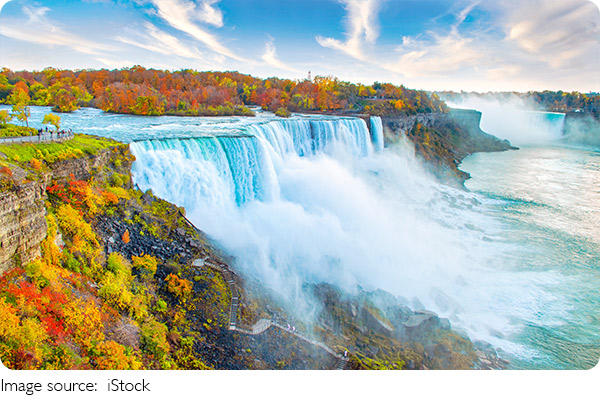
Autumn turns forests into vibrant mosaics of color and life. As temperatures drop and daylight shortens, the forest undergoes profound transformations.
Leaves change hues, animals adjust their behaviors, and nutrient cycles shift beneath the surface.
Witnessing a forest in autumn is not just a visual spectacle—it is an intimate glimpse into the resilience and rhythm of nature. Every rustle of leaves, every migration pattern, and every drop of morning dew signals that the ecosystem is actively preparing for the challenges of winter.
Tree and Plant Adaptations
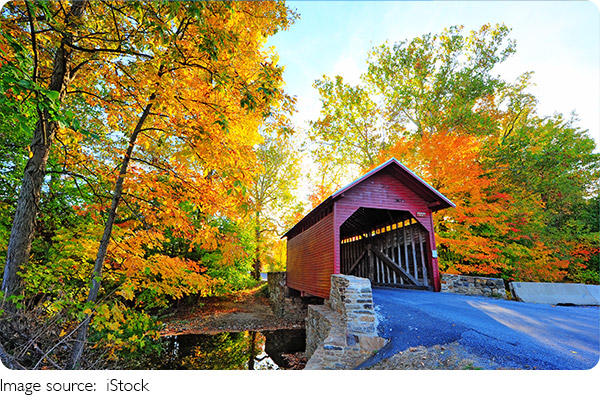
- Leaf Color Changes
Chlorophyll in leaves breaks down, revealing reds, oranges, and yellows. This transformation is not only beautiful but functional: by reducing energy consumption, trees conserve resources as they prepare for winter dormancy. Anthocyanins, responsible for red and purple shades, may also protect leaves from excess light damage during this transition.
- Leaf Fall
As trees shed leaves, a thick layer of organic material blankets the forest floor. This natural mulch insulates the soil, retains moisture, and provides habitat for countless microorganisms. The decomposition process recycles nutrients such as nitrogen and phosphorus, feeding the soil and supporting next spring's growth.
- Seed Dispersal
Autumn is a critical season for reproduction. Many trees produce seeds or nuts that are dispersed by wind, water, or animals. Squirrels and birds play a crucial role in spreading these seeds, ensuring genetic diversity and maintaining the forest's long-term resilience.
4. Understory Vegetation
Shrubs, mosses, and low-lying plants adjust to reduced sunlight as trees lose their foliage. Some species enter a dormant state, while others exploit the brief increase in sunlight reaching the forest floor. These adaptations maintain ecological balance throughout the season.
Animal Behavior Adjustments
- Migration
Birds such as warblers, geese, and hawks begin their long journeys to warmer regions. Migration is triggered by changes in daylight, temperature, and food availability. These movements not only impact the birds but also influence predator-prey dynamics and seed dispersal within the forest.
- Food Storage
Mammals like squirrels, chipmunks, and some birds actively collect and store nuts, seeds, and berries. These reserves are essential for surviving harsh winter months when food becomes scarce. Even insects prepare for winter by laying eggs in protected locations or producing antifreeze proteins.
- Hibernation Preparation
Animals such as ground squirrels, hedgehogs, and chipmunks focus on building energy reserves before winter. Ground squirrels, for example, dramatically slow their heart rate and body temperature, surviving months underground on stored lipid. Hedgehogs accumulate lipid reserves and curl into protected spaces, reducing their breathing and metabolism during hibernation. Meanwhile, chipmunks prepare by storing food in underground burrows, waking periodically to feed while maintaining a low-energy state.
- Behavioral Shifts
Many forest animals also change their daily routines. Deer, for example, may alter grazing times to avoid early frost, and nocturnal predators adjust hunting patterns to match the availability of prey. These subtle behavioral shifts reflect the forest's intricate adaptive mechanisms.
Nutrient and Ecosystem Dynamics
- Decomposition
The fallen leaves, branches, and decaying plants create a nutrient-rich carpet. Fungi, bacteria, and invertebrates break down this organic matter, releasing essential nutrients back into the soil. This natural recycling process supports both plant and animal life, maintaining ecosystem stability.
- Water Cycle Changes
Reduced foliage alters water interception and soil moisture levels. Streams and wetlands are affected by changes in runoff patterns, influencing aquatic habitats and the organisms that rely on them. The forest ecosystem demonstrates remarkable adaptability to seasonal hydrological shifts.
- Energy Flow
With less photosynthesis occurring due to shorter days and falling leaves, the forest's energy input temporarily declines. Yet this slowdown allows ecosystems to conserve resources and prepare for winter survival. Energy conservation during autumn is essential for sustaining life through the lean months ahead.
- Microclimate Formation
Leaf litter, denser shrub growth, and changing sunlight create unique microclimates within the forest. These pockets of warmth or moisture provide refuges for small mammals, insects, and amphibians, highlighting how even subtle seasonal changes shape survival strategies.
Conclusion: Lessons from Autumn
Autumn demonstrates that change is essential to life. The forest's transformations—leaves turning color, animals preparing for winter, and nutrients cycling—remind us that adaptation and preparation are crucial for survival. Observing these shifts encourages reflection on resilience, patience, and the interconnectedness of all living systems.
A walk through an autumn forest is more than a scenic experience; it is a lesson in balance, foresight, and the quiet power of nature's rhythms. The season teaches that beauty and preparation coexist, and that each change, no matter how small, contributes to the health and continuity of the ecosystem.