Oil Painting Wonders

Amit Sharma
| 19-03-2026
 · Art team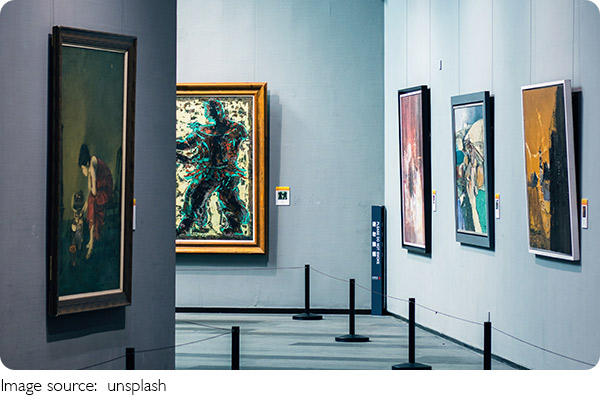
Walk into any art museum and you'll likely be stopped in your tracks by a masterpiece that seems to glow from within.
Often, that magic is the result of oil painting, a medium that has shaped the course of Western art for nearly a millennium.
With lush colors, richly varied textures, and remarkable depth, oil paintings engage viewers on both emotional and technical levels. But what makes this medium so enduring — and why does it continue to captivate artists and audiences alike?
The Origins and Evolution of Oil Painting
Oil paint is a mixture of dry powdered pigments suspended in drying oils such as linseed oil, producing a smooth paste that artists can spread or layer on a canvas or panel. Though its widespread use in Europe began in the 15th century Renaissance, earlier applications of oil based binders have been found in works dating back to at least the 7th century AD.
In Renaissance Europe, artists transitioned from quick drying tempera to oil because it allowed greater control over light and color. These innovations enabled painters like Jan van Eyck and Leonardo da Vinci to achieve unprecedented subtlety, luminosity, and atmospheric effects.
What Makes Oil Painting Unique
Oil painting stands apart from other mediums for several distinctive qualities:
Fundamental features:
1. Rich color and depth — pigments suspended in oil maintain vibrant hues and can be layered for glowing effects.
2. Slow hardening — oil doesn't dry the way water based paints do; instead it hardens through oxidation, often over weeks or even longer.
3. Versatile layering — artists can build multiple layers with differing transparency and texture.
4. Blending and corrections — the slow process lets painters modify shapes, tones, and details over time.
These characteristics allow for effects such as glazing — thin transparent layers that modify light and color — and impasto, where thick, textured strokes stand out from the surface.
Tools and Techniques Behind the Scenes
Oil painting isn't just pigment and canvas — it's also about technique and tools that give painters subtle control:
The choice of canvas or panel affects texture and durability; historically, linen canvas became preferred for its combination of strength and fine surface. Bristle brushes, made from durable fibers, enable varied strokes, while solvents like turpentine can thin paint or clean brushes.
Artists work in layers, starting with an underpainting that maps basic light and dark areas, then building tonal and color depth through successive applications of paint. This labor intensive process allows for rich subtleties that other mediums can't match.
Famous Masters and Movements
Oil painting's flexibility made it the dominant medium from the Renaissance onward. Artists used it to push boundaries of style, expression, and technique:
1. Jan van Eyck helped refine oil glazing for jewel like detail.
2. Rembrandt explored dramatic light, texture, and brushwork.
3. Vermeer achieved serene color harmony and luminous surfaces.
These masters leveraged oil's slow drying time and layering ability to create iconic works that still influence painters today.
The Science of Color and Texture
When oil paintings are finished, artists often apply a varnish layer to protect the work and enhance color depth. Varnishing also evens out surface sheen and shields paint layers from dust and environmental damage.
Oil paint's depth isn't just artistic — it's physical. Light penetrates layers, reflects off underlying tonal stages, and then refracts back through transparent layers, creating a sense of inner glow that many art lovers describe as almost alive.
Challenges and Rewards for Artists
Working with oil paint requires patience and planning. Because paint can handle tens of minutes to hours of manipulation before hardening, artists often revisit sections of canvas repeatedly, blending edges or reshaping compositions.
This slow approach rewards thoughtful exploration; it lets painters delve into subtle emotional tones and achieve effects that feel both vibrant and enduring. However, it also demands commitment: managing drying times, mediums, and layers is as technical as it is creative.

Conclusion: Art That Grows With Time
Oil painting is a testament to the marriage of science and artistry. It invites both artist and viewer into a space where color is not just surface deep but resonates with complexity. From ancient cave walls to Renaissance masterpieces and contemporary works, oil painting's enduring legacy reminds us that beauty evolves with patience, technique, and vision.
As you stand before an oil painting, consider the layers — not just of pigment, but of time, technique, and human intention. In every brushstroke there lies a story of immersion, exploration, and ultimately, the transformation of simple materials into visual wonder.