Knee Pain? Fix It!

Finnegan Flynn
| 13-03-2026
 · News team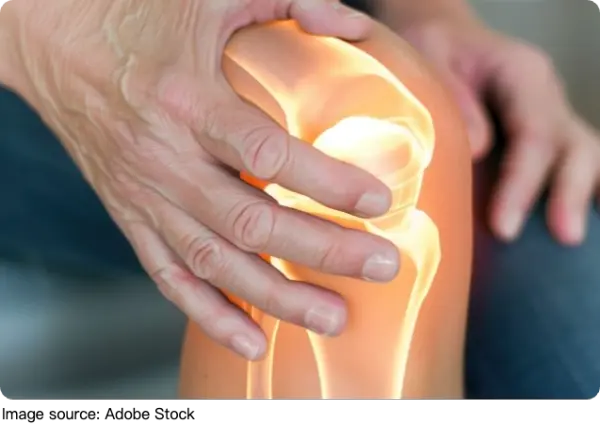
Knee discomfort is a common challenge that can make movement feel difficult.
While persistent soreness around the knee is often associated with aging or overuse, it does not always mean activity must be avoided.
In fact, appropriate movement and gentle activity can play a crucial role in maintaining mobility, strengthening supportive muscles, and reducing pain sensations over time. Understanding how to stay active without worsening symptoms empowers individuals to improve strength, flexibility, and overall well‑being while protecting knee health.
Why Staying Active Matters
A knee is involved in most everyday actions—walking, climbing steps, sitting, and standing. Because of this constant use, discomfort around this area can discourage movement altogether. However, complete avoidance of activity may weaken muscles and reduce flexibility, making knees more prone to stiffness and further discomfort.
Regular, gentle activity supports circulation, encourages mobility, and reinforces the muscles that help stabilize the knee. Low‑impact movement allows essential nutrients to move through tissues and supports overall joint function, helping prevent a decline in strength and range of motion.
Low‑Impact Activities That Support Knee Health
One of the most effective approaches to remain active while protecting knee comfort is focusing on low‑impact activities. These are movements that encourage motion without placing heavy stress on sensitive areas. Walking is one of the simplest low‑impact activities and can be adapted to suit individual comfort levels. Sticking to even, cushioned surfaces reduces stress and can be started at short durations before increasing gradually.
Swimming and water‑based exercise are particularly beneficial. The buoyancy of water supports a large portion of body weight, which relieves pressure on the knee while allowing muscles to work against gentle resistance. Activities like water walking or gentle aquatic routines help improve strength and flexibility in a supportive environment. Cycling whether on a stationary bike or outdoors offers another safe way to promote knee movement with minimal load impact.
Guided Stretching and Flexibility
Stretching is another key component of gentle activity for knee comfort. Tight muscles in the legs can tug on the knee and change the way it moves, leading to strain and discomfort. Regular stretching routines focusing on the front and back of the thigh and the hips help maintain flexibility and range of motion. These stretching movements should be done carefully, with attention on slow, controlled motion to avoid aggravating discomfort.
In addition to traditional stretches, gentle mobility movements like slow heel slides or controlled leg raises help keep joints moving through a comfortable range. These simple motions contribute to better overall movement without intense pressure.
Strengthening Muscles to Protect the Knee
Boosting the strength of muscles surrounding the knee provides indirect support that helps reduce discomfort during activity. A variety of gentle strengthening movements target different muscle groups without causing excess strain. For example, straight leg raises, where the leg is lifted in a controlled way while lying down, help build strength in the upper leg without high stress on the knee area.
According to orthopedic surgeon Dr. Hayden Joseph, when joint or knee pain becomes persistent and doesn’t improve with rest or home care, it’s important to seek professional evaluation. He notes that pain shouldn’t limit your life, and ongoing discomfort that interferes with daily activities often warrants a consultation with a doctor to identify the cause and develop an effective treatment plan. “You shouldn’t be limited in life because of pain,” says Dr. Joseph, underscoring that unexplained or chronic pain benefits from accurate diagnosis and management.

Common Mistakes to Avoid
Even when focusing on gentle activity, certain habits can inadvertently increase discomfort. High‑impact movements like running or jumping place sudden loads on the knee and may exacerbate symptoms. It is generally safer to avoid these until a strong foundation of strength and flexibility has been established.
Pushing through sharp or persistent pain is another common mistake. Mild discomfort during a new movement is expected, but if discomfort intensifies or lasts beyond the activity session, that type of movement should be adjusted or paused. Listening to how the knee responds and modifying intensity helps protect long‑term function.
Consistency Over Intensity
One of the most important principles in staying active with knee discomfort is consistency. Short, frequent sessions of low‑impact activity and gentle strengthening often produce better results than infrequent, intense sessions. Gradual increases in duration and challenge help build tolerance without overwhelming sensitive tissues.
Knee discomfort does not have to mean abandonment of movement. With thoughtful, consistent movement and professional guidance, it is possible to stay active and maintain a high level of function even when facing ongoing knee challenges.