Capo Vaticano Travel Guide

Chris Isidore
| 13-03-2026
 · Travel team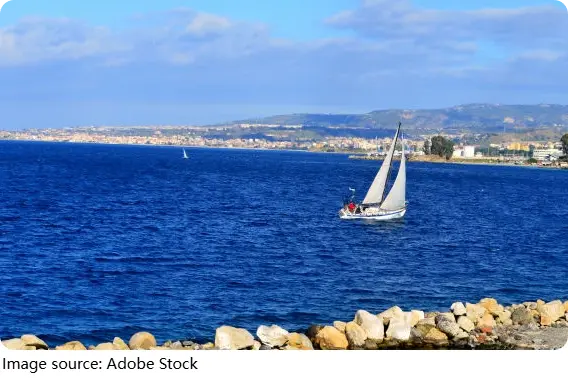
Along the Tyrrhenian Sea in southern Italy, the coastline between Baia del Tono and Santa Maria reveals some of Calabria's most breathtaking scenery.
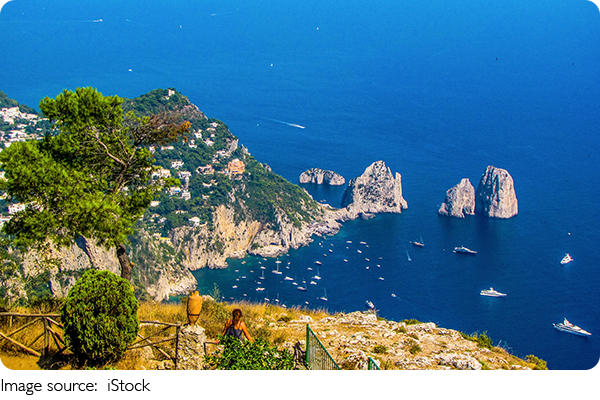
Dramatic cliffs plunge into turquoise water, quiet coves hide beneath rugged promontories, and historic villages overlook the sea from above.
A trip to Capo Vaticano offers travelers the chance to explore crystal-clear waters, discover secluded beaches, and enjoy traditional southern Italian cuisine. This area is widely considered one of the most beautiful stretches of coast in the region, combining natural landscapes, geological interest, and local culture.
Capo Vaticano
From boat excursions and scenic viewpoints to beach relaxation and authentic dishes, this guide will help you plan a complete trip to Capo Vaticano.
The Legendary Coastline: Dream Excursions
The Tyrrhenian coast of Calabria is famous for its dramatic scenery, but the stretch between Capo Vaticano and the charming town of Tropea is particularly striking. Rugged cliffs, hidden bays, and bright turquoise waters make this coastline a dream destination for travelers.
One of the most popular activities here is taking a boat excursion along the coast. Small tour boats glide past towering rock formations and stop at secluded beaches that are difficult to reach by land. From the sea, visitors can admire the cliffs rising above the water and the historic monastery buildings of Sanctuary of Santa Maria dell'Isola, one of the most iconic landmarks in the region.
Many tours also visit the famous Blue Grotto, where sunlight reflects off the sea to create intense blue shades inside the cave. Snorkeling is another highlight of these trips, allowing visitors to observe the vibrant marine life beneath the surface. Thanks to the currents that move through the nearby Gulf of Sant'Eufemia and Gulf of Gioia Tauro, the underwater ecosystem is rich with fish, coral formations, and colorful sea plants.
Typical Excursion Information
- Boat Tour Price: €40–€70 per person (half-day)
- Scuba Diving Experience: €80–€120 including equipment
- Tour Duration: 3–5 hours
- Departure Points: Capo Vaticano marina or Tropea harbor
- Best Season: May–October
The Beaches of Capo Vaticano: Hidden Gems of the Tyrrhenian Coast
The beaches beneath the Capo Vaticano promontory are often ranked among the most beautiful in Italy. Many are surrounded by cliffs and wild Mediterranean vegetation, giving them a secluded and natural atmosphere.
The most famous beach is Grotticelle Beach, a long sandy stretch formed by three connected bays. Its pale sand and calm turquoise water make it one of the most photographed beaches in Calabria.
Other notable beaches include Torre Ruffa, Formicoli, and Riaci, each offering unique coastal scenery and clear water ideal for swimming. Praia di Fuoco, Tono, and Santa Maria are also worth visiting, especially for travelers seeking quieter locations away from the busiest tourist areas.
For a romantic walk, visitors can climb to the viewpoint near the Capo Vaticano Lighthouse. From this panoramic belvedere, sunsets reveal views toward the volcanic island of Stromboli and the distant Aeolian Islands.
Beach Visit Information
- Beach Entry: Most beaches are free
- Sunbed & Umbrella Rental: €20–€35 per day
- Best Visiting Time: Early morning or sunset
- Access: Footpaths from Capo Vaticano village or boat access
- Sunset Viewpoint: Capo Vaticano Lighthouse belvedere (free access)
The Promontory: Legend and Geological Nature
The towering promontory of Capo Vaticano rises dramatically above the Tyrrhenian Sea and offers panoramic views across the coastline. On clear days, visitors can even see the distant shores of Sicily.
The name “Vaticano” is believed to originate from the Latin word vaticinium, meaning prophecy or oracle. According to local tradition, an oracle once lived in a cave within the promontory, where sailors came to seek guidance before setting out across the sea.
The area also attracts scientists and geologists because of its unique rock formations. The cliffs consist mainly of white-grey granite that has been shaped over thousands of years into unusual forms. Smooth tuff cliffs and rugged rock spurs add to the dramatic landscape.
Vegetation across the promontory includes broom, myrtle, prickly pear cactus, cork oak trees, maritime pines, and centuries-old olive groves. Walking paths wind through the hills and pass ancient terraced garden built with traditional dry-stone walls.
Visitor Information
- Walking Trails: Free public access
- Opening Hours: Accessible year-round
- Recommended Visit Duration: 1–2 hours
- Best Photo Spots: Promontory viewpoints and grape terraces
- Ideal Time: Sunrise or sunset for clear views
Local Cuisine: The Triumph of Tradition
Traveling to Capo Vaticano offers visitors the chance to experience the authentic cuisine of Calabria. The local food is deeply rooted in rural traditions, using simple ingredients that create rich and distinctive flavors.
One traditional specialty is Fileja, a handmade pasta originating from the Vibo Valentia area. It is made with only flour and water and shaped by hand using a traditional tool called the “dinaculo,” which forms the pasta into its characteristic curved shape.
Visitors should also try the famous Tropea Red Onion. Known for its natural sweetness and nutritional value, it is commonly used in salads, sauces, and various specialty products sold in local markets.
Typical Food Prices
- Filea Pasta Dish: €12–€15
- Seafood Main Course: €18–€25
- Local Drink: €5–€8 per glass
- Tropea Red Onion (market price): €3–€6 per kg
Capo Vaticano is a destination where natural beauty, local traditions, and Mediterranean flavors come together. Whether you explore its hidden beaches, walk along the dramatic cliffs, or enjoy a traditional Calabrian meal by the sea, the experience offers an unforgettable glimpse into one of southern Italy's most scenic coastal regions.