Seiser Alm Travel Guide

Mei
| 13-03-2026
 · Travel team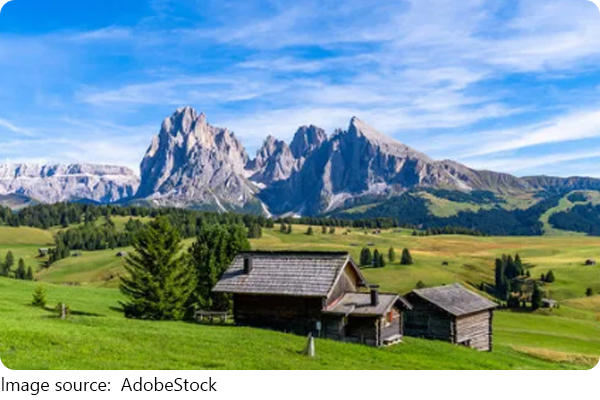
Seiser Alm, also known as Alpe di Siusi, is one of the most breathtaking mountain areas in the Dolomites and the largest high altitude Alpine pasture in Europe.
Its vast open terrain offers visitors a dramatic setting of rolling meadows, rugged peaks, and panoramic views that draw outdoor lovers year round.
Whether you come for summer hiking amid wildflowers or winter skiing across sunny slopes, Seiser Alm promises a travel experience rooted in nature and adventure.
Seiser Alm
Where Is Seiser Alm and How to Get There
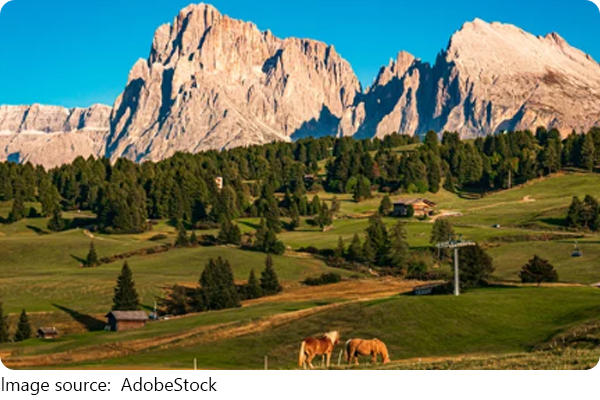
Seiser Alm is located in South Tyrol, northern Italy, stretching across approximately 56 km² of plateau between 1,680 m and 2,350 m above sea level. It sits above the towns of Castelrotto (Kastelruth) and Ortisei (St. Ulrich) with the iconic Dolomite peaks of the Sciliar, Sassolungo, and Plattkofel nearby.
To reach Seiser Alm:
1. By air: Fly into nearby airports such as Bolzano (about 40 km), Innsbruck (about 120 km), or Verona (about 190 km).
2. By train: Take a train to Bolzano or Bressanone/Brixen and connect by local bus or shuttle.
3. By car: Drive via the A22 Brennero motorway, then follow mountain roads to the base villages, where cable cars and buses provide access to the plateau.
Public buses and cable cars operate regularly, making it possible to visit without a private vehicle during most of the year.
Activities and Experiences
Seiser Alm's landscape is shaped by sweeping alpine pastures, forest edges, and towering Dolomite peaks, providing a wide array of activities for visitors throughout the seasons.
1. Summer hiking: Over 450 km of trails wind through meadows and up toward panoramic viewpoints, suitable for all fitness levels.
2. Mountain biking: Extensive bike paths cross the plateau and connect to scenic trails that thrill both casual riders and experienced bikers.
3. Climbing and via ferrata: For more challenging adventures, guided routes lead up rock walls and ridges around the Dolomites.
4. Winter skiing: In winter, Seiser Alm forms part of a 175 km ski area with sunny slopes, snow parks, and cross country trails.
5. Snowshoeing and winter hikes: Around 60 km of groomed winter paths are perfect for snowshoe walks or tranquil scenic hikes.
6. Alpine huts: Rustic mountain huts dot the terrain, offering rest stops and a chance to experience local hospitality.
Accommodation and Practical Info
Visitors to Seiser Alm can choose from a full range of stays, from traditional inns and mountain lodges on the plateau to hotels in nearby villages like Castelrotto, Siusi allo Sciliar, and Ortisei.
- Typical summer accommodation includes lodges and guesthouses that offer breakfast and optional meals, with prices varying by season and type of room. Prices for these accommodations typically range from €80 to €200 per night for double rooms, depending on location and the time of year.
- Winter accommodation is more expensive, especially in ski-in/ski-out locations. Prices for winter stays in Seiser Alm generally range from €150 to €350 per night for a double room with ski access and packages, including ski passes and equipment rentals.
- For more luxurious stays or hotels in the nearby towns like Ortisei or Castelrotto, the prices can go up, ranging from €250 to €600 per night depending on the service and type of accommodation.
Public services such as tourism offices provide local transport schedules, weather updates, and trail maps. Seasonal opening hours vary, generally with longer summer services and specific winter ski operations.
Best Times to Visit
1. Summer (June–September): Flowers bloom across the meadows, temperatures are ideal for hiking, and mountain biking paths are open.
2. Late Autumn (October): Crisp air and golden light make for peaceful hikes before snow arrives.
3. Winter (December–April): Snow blankets the plateau, and skiing, snowshoe walks, and winter hiking trails flourish.
Visiting in shoulder seasons can provide quieter trails and more flexibility with accommodations.
Reflection: A Place That Stays With You
Seiser Alm is more than a destination; it is a landscape that invites travelers to slow down, breathe deeply, and absorb the scale of mountain life. Walking across its grassy expanses or sweeping down its snowy slopes, visitors witness how nature's vastness and human tradition coexist harmoniously.
Whether experienced in bloom or covered in snow, the plateau leaves a lasting impression — a reminder of why mountain landscapes continue to inspire and rejuvenate generations of visitors.