Humanity’s Loyal Friend

Raghu Yadav
| 13-03-2026
 · Lifestyle team
Few relationships in the natural world are as remarkable as the bond between humans and dogs.
Across cultures and centuries, dogs have been trusted companions, reliable helpers, and loyal friends. The phrase “human's best friend” is often used to describe this connection, reflecting the deep emotional and practical partnership that has developed over thousands of years.
From hunting partners in early societies to beloved family companions today, dogs have continuously adapted to human life. Understanding why this bond exists requires looking at history, evolution, and the emotional connection between the two species.
The Long History of Humans and Dogs
The relationship between humans and dogs began thousands of years ago. Scientific research suggests that dogs evolved from wolves and were among the first animals domesticated by humans. Evidence indicates that this partnership may have started more than 14,000 years ago when early human communities and wolves began interacting regularly.
Initially, this relationship likely developed out of mutual benefit. Wolves that stayed near human settlements could access leftover food, while humans gained an early warning system against predators and potential threats. Over generations, these wolves gradually became more tolerant of human presence, eventually evolving into domestic dogs.
As time passed, dogs became valuable working partners. They helped people hunt, guard camps, herd animals, and track prey. This cooperation strengthened the connection between the two species and helped establish dogs as essential companions in human societies.
Natural Social Instincts Strengthen the Bond
One important reason dogs connect so easily with people is their social nature. Dogs evolved from pack-living ancestors, meaning they naturally rely on cooperation and communication within groups. Humans effectively became part of their social group.
Because of this evolutionary background, dogs developed strong abilities to understand human behavior. They can respond to body language, recognize vocal tones, and interpret gestures such as pointing. These abilities make communication between humans and dogs unusually effective compared with many other animals.
Researchers such as Dr. Kun Guo have found that dogs often respond to human emotions — not just by detecting cues, but by recognizing emotional states shown through body signals and vocal tones. When people feel stressed or sad, dogs frequently show comforting behaviors such as staying close or seeking physical contact, and this emotional sensitivity plays a major role in why many people feel deeply connected to their pets.
Roles Dogs Have Played in Human Society
Throughout history, dogs have taken on a wide range of roles that strengthened their importance in human life. Their versatility has allowed them to assist humans in many environments and tasks.
1. Hunting Partners
Early communities relied on dogs to track and chase animals during hunts, improving the success of obtaining food.
2. Guardians and Protectors
Dogs often protected homes, livestock, and settlements by alerting people to approaching danger.
3. Herding Helpers
In farming communities, specially trained dogs helped guide and control groups of livestock.
4. Companions and Support Animals
In modern society, dogs frequently serve as therapy animals, emotional support companions, and service animals that assist people with disabilities.
These roles illustrate how dogs have remained valuable partners in both practical and emotional ways.
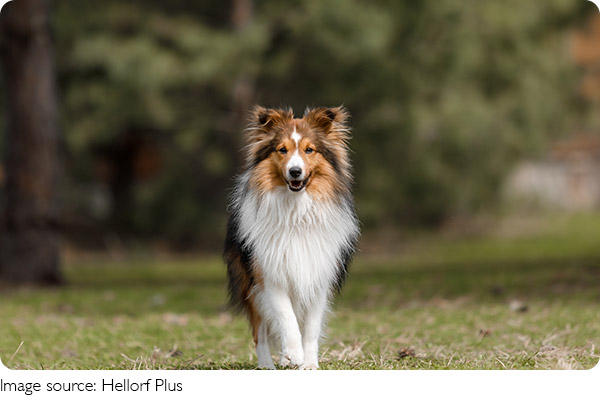
The Power of Loyalty and Companionship
Perhaps the most famous quality associated with dogs is their loyalty. Unlike many animals that maintain distance from humans, dogs often develop strong attachment to the people they live with. This loyalty comes partly from their evolutionary history and partly from the daily interactions they share with humans.
Dogs tend to form close bonds with their caregivers, often following them, seeking interaction, and reacting strongly to separation. This attachment mirrors social bonding behaviors seen within animal groups.
Over time, this reliability and companionship have helped dogs become trusted family members rather than simply working animals. In many households today, dogs are treated as part of the family, sharing living spaces, routines, and emotional experiences with their human companions.
Why the Friendship Continues Today
Even in modern cities where hunting and herding are less common, the bond between humans and dogs remains strong. Dogs provide companionship, encourage physical activity through walking and play, and offer emotional comfort during stressful moments.
The friendship also continues because dogs adapt easily to human environments. They can live in many types of homes and adjust to different lifestyles while still maintaining strong social connections with their caregivers.
This adaptability, combined with their affectionate nature, ensures that dogs continue to play an important role in people's lives across the world.
Reflection
The story of humans and dogs is a remarkable example of cooperation between two species. What began as a practical partnership thousands of years ago gradually transformed into a relationship built on trust, loyalty, and companionship.
Today, when people describe dogs as humanity's best friend, they are recognizing a connection shaped by history, evolution, and shared experiences. The enduring bond between humans and dogs reminds us that friendship can cross the boundaries of species and still remain deeply meaningful.