Terraced Fields

Owen Murphy
| 07-03-2026
 · Travel team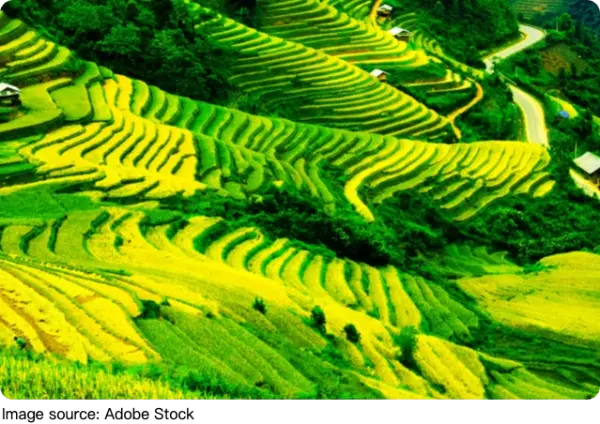
Walking along a hillside, you might notice rows of flat, gleaming fields cascading like giant steps down the slope.
These terraced fields are more than picturesque landscapes—they are centuries-old solutions to farming in challenging terrain.
For generations, communities around the world have relied on terracing not just to grow rice or other crops, but to conserve precious soil and water resources, demonstrating a harmonious balance between people and nature.
Soil Conservation Through Terracing
1. Reducing Erosion
Steep hillsides are naturally prone to soil erosion during heavy rainfall. Terracing breaks a long slope into shorter, flat sections, which slows water runoff and reduces soil loss. Each terrace acts like a small dam, preventing the fertile topsoil from washing away. In hilly regions of the Andes and Southeast Asia, terraces have kept fields productive for centuries despite frequent rains.
2. Maintaining Nutrient Levels
Erosion not only removes soil but also essential nutrients. Terraces allow water to percolate slowly into the ground, carrying nutrients evenly across the field instead of draining them downhill. This steady absorption keeps the soil rich and productive without the need for synthetic fertilizers.
3. Preventing Landslides
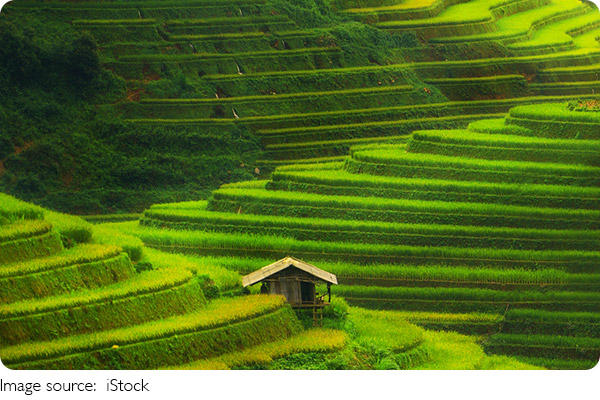
Terraced slopes have an added benefit of stabilizing the land. The terrace walls act as retaining structures, supporting the soil and reducing the risk of landslides that can destroy crops and homes in steep regions. Local farmers often reinforce terraces with stones or vegetation, creating a resilient farming system.
Water Management and Efficiency
1. Slowing Water Runoff
In hilly regions, rainfall can rush down slopes too quickly for crops to absorb. Terraces capture rainwater, allowing it to seep gradually into each level. This system prevents both flooding and drought conditions within the same field, ensuring consistent soil moisture.
2. Irrigation-Friendly Design
Terraces make irrigation far more manageable. Water can be directed from a higher terrace to lower ones using channels or gravity-fed systems. Rice terraces, for example, are intentionally flooded in stages, creating a reliable aquatic environment for seedlings while conserving water.
3. Supporting Multiple Crops
Water management through terraces allows farmers to diversify crops. While rice may dominate the wet season, terraces can support vegetables, legumes, or fruit trees on higher levels that require less standing water, enhancing local food security.
Sustainable Agricultural Practices
1. Long-Term Productivity
By preventing erosion and managing water efficiently, terraces maintain soil fertility over decades. Farmers don't need to clear new forested land constantly, which protects local ecosystems and preserves biodiversity.
2. Low-Tech, High-Impact
Terracing doesn't rely on modern machinery. Careful planning, hand labor, and traditional knowledge have allowed communities to build terraces with minimal environmental impact. This is a model for sustainable, small-scale farming worldwide.
3. Cultural and Environmental Synergy
Terraces also reflect local knowledge and culture, with designs adapted to regional climate, soil types, and crops. They are living examples of humans working with the landscape rather than against it, fostering stewardship for future generations.
Walking along a terraced hillside, it becomes clear that these fields are more than functional—they are a testament to human ingenuity in harmony with nature. Each level represents a careful balance of soil, water, and labor, sustaining communities while protecting the environment. As we face increasing climate variability and soil degradation worldwide, the lessons of terraced farming remain highly relevant. Observing or visiting terraced landscapes reminds us that thoughtful, sustainable agriculture is not just about productivity—it's about preserving the land for the future.