Capturing Childhood Moments

Chris Isidore
| 03-03-2026
 · Lifestyle team
A tiny hand reaching for a toy, a first wobbly step across the living room, or an unexpected burst of laughter—these moments slip by in the blink of an eye.
For parents, each day brings new discoveries and milestones, yet they can vanish quickly unless consciously recorded.
Documenting a child's growth is not merely about photos or videos; it is about capturing personality, curiosity, and the little details that make each stage unique. Over time, these records become treasured memories that tell the story of childhood in vivid, living detail.
Choosing What to Record
1. Everyday Milestones
While first steps or first words are obvious highlights, small daily achievements are equally meaningful. Observing your child mastering a new skill, finishing a puzzle, or experimenting with drawing captures growth in real time. Journaling or taking quick photos during these moments allows you to look back and see progress that might otherwise go unnoticed.
2. Expressions and Emotions
Children's emotions are fleeting but telling. A smile that lights up their face, a puzzled frown when trying something new, or spontaneous laughter at a small surprise reveals character and temperament. Capturing these emotions, either in a brief video or candid snapshot, preserves authenticity and personality far beyond staged photos.
3. Interactions and Relationships
Documenting how your child interacts with family members, friends, and pets provides a rich narrative of social development. Sharing a hug, helping a sibling, or playing together in the park can be as significant as milestone achievements, creating a broader picture of their growth and relationships.
Techniques for Meaningful Documentation
1. Photography Tips
Natural light is often the most flattering for children's photos. Positioning your child near a window or outdoors in soft morning or late afternoon light enhances color and detail without harsh shadows. Shooting at the child's eye level creates intimacy, and capturing motion rather than static poses adds life to the image.
2. Journaling and Storytelling
Pairing images with short notes or anecdotes strengthens memories. Writing down the context of a photo—what made your child laugh, what they said, or how they reacted to a new experience—turns a simple snapshot into a meaningful story. Even a few sentences can provide rich detail when revisiting years later.
3. Video Clips and Short Compilations
Short videos are excellent for capturing movement, sound, and timing that photos cannot convey. Record snippets of playtime, bedtime routines, or family outings. Combining clips into small compilations every few months creates a dynamic timeline of growth that evolves naturally with your child.
Organizing and Preserving Memories
1. Digital Albums and Cloud Storage
Using digital albums allows for easy categorization by age, date, or theme. Cloud storage ensures these memories are safe, shareable, and accessible even if devices fail. Tagging images or videos with keywords, like “first steps” or “painting,” simplifies retrieval.
2. Physical Keepsakes
Printed photos, scrapbooks, and memory boxes offer tactile experiences. Including handprints, small drawings, or tiny notes adds a personal dimension. Displaying some of these in the home reinforces the importance of celebrating everyday growth.
3. A Consistent Routine
Incorporate documenting into daily life without pressure. A few minutes each day or weekly sessions are sufficient to capture meaningful moments. Consistency, rather than perfection, ensures a rich, authentic record over time.
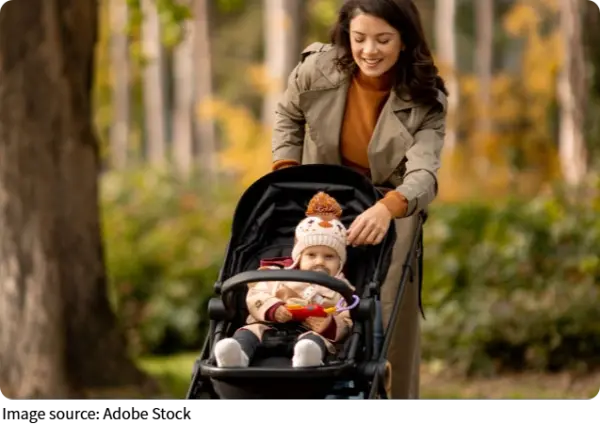
Recording your child's growth transforms ordinary days into cherished stories. Each photo, note, and video becomes a thread in a tapestry of memories that reflects their personality, achievements, and joys. Looking back years later, these fragments of everyday life reveal the beauty in small details—the first laugh, the curious gaze, the tiny hands reaching out—and remind us how precious the fleeting moments of childhood truly are.