Common Motorcycle Risks

Sofia Alvarez
| 03-03-2026
 · Automobile team
Imagine you're cruising along an open road, wind in your face, the engine purring beneath you. The thrill of motorcycling is unmatched, but it's not without its risks.
As exhilarating as riding can be, it's essential to be aware of the potential dangers on the road and know how to protect yourself. Let's explore common hazards motorcycle riders face and what you can do to stay safe.
1. Poor Road Conditions
One of the most frequent dangers motorcyclists encounter is poor road conditions. Potholes, uneven surfaces, wet roads, or loose gravel can all cause a biker to lose control or crash.
- Potholes and Cracks: These can catch you off guard, especially at higher speeds. A sudden jolt could cause you to lose balance or even fall off the bike.
- Wet and Slippery Roads: Rain or spilled oil can make the road slippery. This can drastically reduce your traction, increasing the likelihood of skidding.
- Gravel and Loose Sand: These materials can shift beneath your tires, causing your bike to slide or veer off course.
Solution: Always stay alert to your surroundings, especially in areas known for poor road conditions. Try to avoid riding over potholes or gravel when possible. On wet or slippery roads, reduce your speed and increase your following distance. Use a smooth, controlled throttle and avoid sudden braking.
2. Inattentive or Reckless Drivers
The presence of other road users, especially drivers who don't see you, poses one of the greatest risks. Many accidents happen when a car or truck makes an unexpected maneuver without checking for motorcyclists.
- Blind Spots: Cars and trucks have blind spots where riders can be hard to see. If a vehicle changes lanes without looking, you might be in danger.
- Distracted Drivers: Drivers using their phones or not paying attention to the road may not see a motorcyclist approaching, leading to collisions.
- Aggressive Driving: Some drivers may not give enough space or may drive too closely, making it harder for you to maneuver your bike.
Solution: Always assume that other drivers can't see you, and ride defensively. Position yourself where you're visible—avoid riding in a car's blind spot and make sure your lights are on, even during the day. Use hand signals, keep a safe distance, and stay alert to sudden changes in traffic patterns.
3. Weather Hazards
Bad weather can make riding more dangerous, especially if you're unprepared. Rain, fog, strong winds, and even extreme heat can affect your visibility, traction, and comfort.
- Rain and Wet Conditions: Water reduces your bike's grip on the road and increases stopping distances.
- Fog and Low Visibility: Heavy fog or rain can make it difficult to see other vehicles or obstacles.
- Strong Winds: Wind gusts can throw you off balance, especially when riding at higher speeds or in open areas.
Solution: Check the weather forecast before heading out. If conditions are poor, consider postponing your ride or taking an alternative mode of transportation. In rainy conditions, slow down and increase your following distance. Use fog-resistant gear and always wear proper protective clothing to stay dry and comfortable.
4. Speeding and Reckless Riding
Speeding may seem tempting, but riding too fast for the road conditions or exceeding speed limits significantly increases the risk of an accident.
- Loss of Control: At high speeds, it becomes more difficult to react to sudden changes in traffic or road conditions.
- Longer Stopping Distance: The faster you go, the longer it takes to stop. A quick reaction time is critical in avoiding accidents.
- Increased Injury Severity: If an accident occurs at high speed, the consequences are usually more severe.
Solution: Always adhere to speed limits and adjust your speed according to the road conditions. Riding at a safe speed ensures that you can react quickly and stop in time if necessary. Practicing controlled braking techniques can also improve your ability to stop safely in an emergency.
5. Inadequate Protective Gear
Many accidents involve riders who aren't wearing the proper protective gear. While it's tempting to ride casually, the right gear can make the difference between a minor injury and a life-threatening one.
- Helmets: A helmet is your first line of defense in any crash, protecting your head from injury.
- Protective Clothing: Jackets, gloves, and pants made from materials like leather or reinforced fabric help shield your body in case of a fall.
- Boots: Sturdy, protective boots can prevent foot and ankle injuries if you crash or fall.
Solution: Always wear a DOT-approved helmet, gloves, sturdy boots, and protective clothing designed for motorcycling. While it may seem like extra work, it could save your life in the event of a crash.
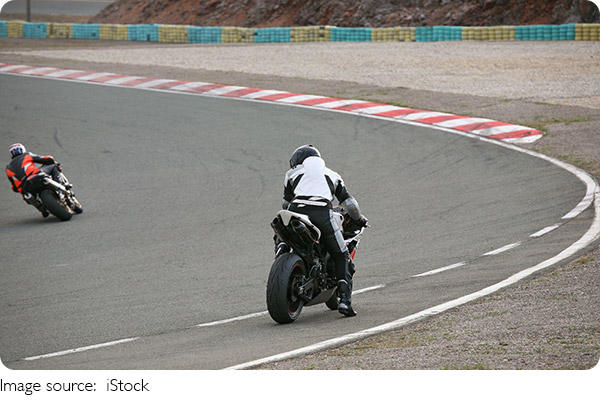
6. Loss of Control in Sharp Turns
Sharp turns can be tricky, especially at high speeds or when the road isn't in great condition. Misjudging a turn can easily lead to a crash.
- Lean and Balance: When navigating tight curves, you need to lean into the turn while maintaining balance. If you're not careful, you could lose traction or veer off course.
- Braking Mid-Turn: Braking while in a turn can upset the balance of the bike and cause you to slide out.
Solution: When approaching a sharp turn, slow down beforehand to avoid braking during the turn. Practice smooth cornering and leaning into the curve. Maintaining proper body positioning and balance is key to staying in control.
Reflection: Stay Safe, Ride Smart
Motorcycling is thrilling, but it comes with inherent risks that require awareness and preparation. By understanding the common hazards and knowing how to handle them, you can significantly reduce your chances of an accident. Always wear the proper gear, stay alert to the road and traffic around you, and practice safe riding habits. Riding smart and responsibly ensures that you get to enjoy the open road with confidence and safety.