Guide to Car Wheel Upgrades

Pankaj Singh
| 04-03-2026
 · Automobile team
Walking down the street, you might notice cars that immediately catch your eye because of their upgraded wheels.
Wheels are more than just a support for tires—they're a key part of a car's appearance and an important factor in performance. For car enthusiasts, choosing the right wheels can express personal style while enhancing driving experience, but there's more to it than just looks.
Understanding wheel upgrades requires attention to material, size, style, load rating, and safety. Every decision affects not only aesthetics but also handling, comfort, and vehicle longevity.
Wheel Materials and Performance
1. Aluminum Alloy Wheels
Aluminum alloy wheels are popular for their lightweight properties. Compared to steel, they reduce unsprung mass, improving suspension response and handling. Aluminum is also easy to finish with paint, polishing, or plating, offering both performance and visual appeal.
2. Magnesium Alloy Wheels
Magnesium alloy wheels are even lighter, making them ideal for performance cars and racing applications. The reduced weight enhances acceleration and braking response, but they are more expensive and require regular maintenance to ensure durability.
3. Steel Wheels
Steel wheels are heavier but extremely durable. They are practical for daily driving and rough road conditions. They are cost-effective, making them a good choice for beginners or drivers prioritizing utility over style.
Choosing the Right Wheel Size
1. Diameter
Larger wheels create a stronger visual impact, but excessively large sizes can reduce comfort and increase fuel consumption. When upgrading, it's important to ensure tire sidewall height and wheel well clearance are compatible.
2. Width and Tire Fit
Wheel width affects tire fit, which influences grip and handling. Wheels that are too narrow or too wide can cause uneven tire wear and affect driving stability.
3. Offset (ET Value)
Wheel offset determines the position of the wheel relative to the hub. Correct offset ensures proper clearance for suspension and brakes and prevents unwanted stress on the wheel bearings.
Style and Aesthetic Considerations
1. Spoke design
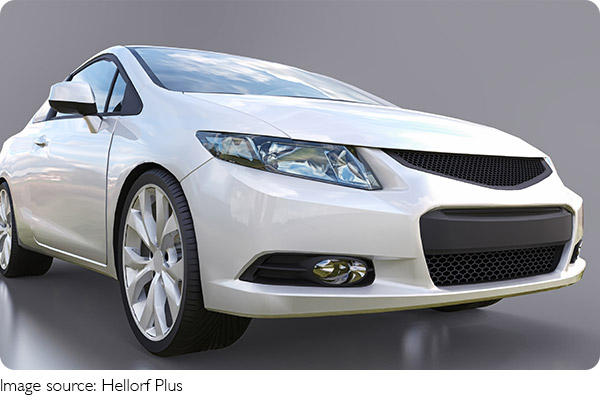
Spoke patterns range from simple multi-spoke layouts to complex mesh or split-spoke designs. The choice affects visual style and can slightly influence weight and rigidity.
2. Finishes
Wheels can be polished, painted, anodized, or chrome-plated. Finish not only defines the look but also affects corrosion resistance and maintenance requirements.
3. Brand and authenticity
Using reputable brands ensures reliability, proper fit, and safety. Counterfeit or poorly manufactured wheels may fail under stress, compromising both performance and safety.
Practical Tips for Wheel Upgrades
1. Match tires and wheels
Always select tires compatible with the new wheels to maintain grip, ride comfort, and safety. Consult manufacturer specifications to avoid mismatches.
2. Consider suspension and brakes
Larger or wider wheels can interfere with suspension components or brake calipers. Ensure compatibility before installation to prevent damage or reduced performance.
Tire Rack notes: “To properly fit on a vehicle the wheel must have the proper bolt pattern, centerbore, offset, width and, most importantly, the proper load capacity for the vehicle.”
3. Balance aesthetics and function
While styling is important, never compromise safety or handling for looks. The best wheel upgrades enhance both appearance and driving experience.
Upgrading your wheels can transform a car's character, improving both style and performance. A thoughtful approach balances visual impact with technical requirements, ensuring that every upgrade enhances the driving experience rather than just the curb appeal. Choosing the right wheels is not only about making a statement—it's about driving smarter, safer, and more confidently.