How to Choose Your Car Color

James Carter
| 02-03-2026
 · Automobile team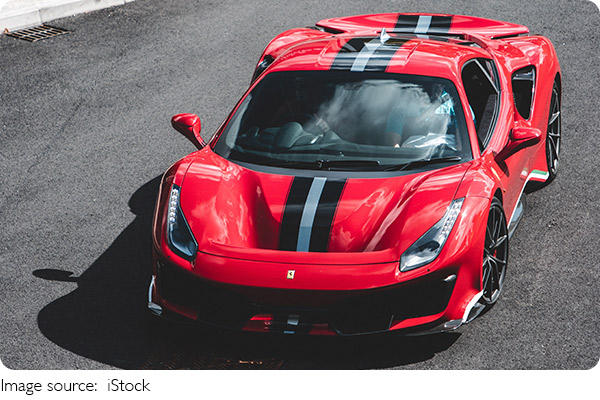
Walking through a parking lot, you might notice how certain cars immediately stand out while others blend into the crowd.
The color of a vehicle is often the first impression it makes, reflecting personality, practicality, and sometimes even lifestyle. Choosing the right car color is more than just a visual preference—it impacts maintenance, safety, and long-term value.
Selecting a color thoughtfully requires considering your personal style, environmental factors, and practical needs. Each choice has trade-offs that can influence both aesthetics and functionality.
Personal Style and Expression
1. Reflecting personality
Vibrant colors such as red, orange, or bright blue often convey energy, confidence, and individuality. Neutral shades like silver, white, or gray suggest a more understated, classic approach. Choosing a color that resonates with your personality can make your car feel uniquely yours.
2. Matching lifestyle
Lifestyle factors influence color choice. Families with children may prefer neutral tones that hide dirt and scratches more easily. Enthusiasts seeking a sporty image may gravitate toward bold or metallic finishes. Considering how the car fits into daily life helps avoid frequent frustration over maintenance.
3. Coordinating with surroundings
Some owners consider how the color complements the environment or region. Light colors can feel cooler in sunny climates, while darker shades can provide a sophisticated look in urban settings.
Practical Considerations
1. Visibility and safety
Certain colors are more visible on the road, reducing the risk of accidents. White, yellow, and bright shades stand out in traffic, especially during dawn, dusk, or rainy weather. Dark colors like black or deep blue may look elegant but can be harder to spot in low-light conditions.
2. Maintenance and cleaning
Light colors tend to show less dust and minor scratches, requiring less frequent cleaning. Dark colors, while sleek, reveal dirt, water spots, and swirl marks more readily. Factoring in maintenance effort can help you choose a color you'll enjoy long-term.
3. Resale value
Some colors retain higher resale value because they appeal to a wider audience. White, silver, and black often have broad market appeal, while very niche colors may reduce resale flexibility. Considering future value can influence the choice, especially for those planning to sell or trade in the vehicle.
Trends and Finishes
1. Metallic and pearlescent paints
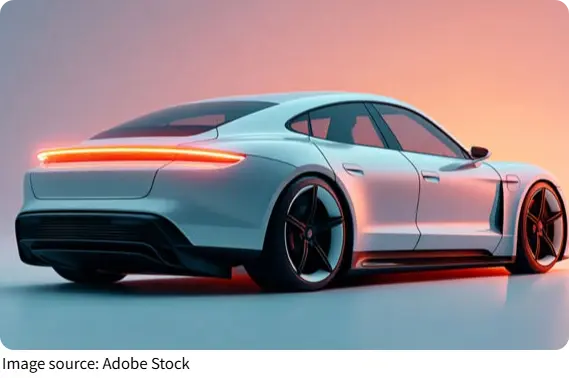
These finishes reflect light in unique ways, enhancing depth and richness. Metallic silver, pearlescent white, or shimmering blue can create a premium feel, though they may cost more to repair if damaged.
2. Matte and custom colors
Matte finishes offer a modern, edgy appearance but require specialized care. Custom shades allow maximum personalization but can be more expensive and affect insurance rates.
3. Popular trends vs timeless choices
While bold, trendy colors may turn heads, classic shades often age better and appeal to more buyers. Balancing trendiness with timelessness ensures your car remains stylish over time.
Final Tips for Choosing
1. Test in different lighting
Color can appear different indoors, outdoors, in sunlight, or under streetlights. Viewing your top choices in various conditions helps ensure satisfaction.
2. Consider the whole package
Think about how wheel color, trim, and interior will complement the exterior. A coordinated design enhances overall appeal.
3. Balance passion and practicality
Ultimately, your car color should reflect your taste while considering safety, maintenance, and future value. Striking this balance ensures long-term enjoyment without regrets.
Choosing a car color is a blend of art and practicality. It communicates who you are while impacting day-to-day experience and long-term value. Taking time to evaluate personal preferences, environmental factors, and practical considerations ensures that the color you choose enhances both your driving experience and your car's overall appeal.