Tuscany at a Slower Pace

Camille Dubois
| 27-02-2026
 · Travel team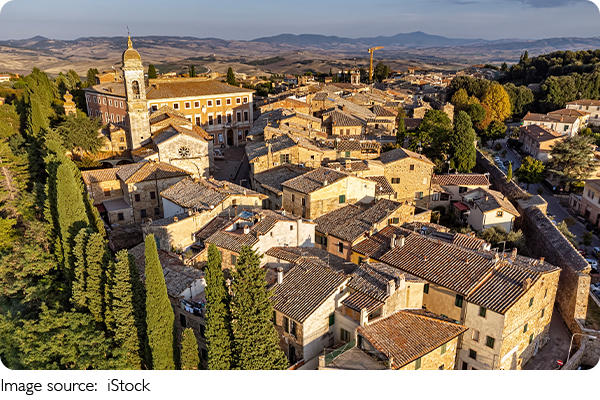
The first morning I woke up in Tuscany, the light felt different. It wasn't brighter—it was softer, like the hills were holding it gently instead of reflecting it back.
A small café owner was sweeping her doorway. Bell towers rang somewhere behind stone buildings. No rush, no noise. Just space.
That's when I realized something: Tuscany rewards travelers who slow down.
If you try to “see everything,” you'll miss what makes it special. So instead of listing every town and museum, let's focus on how to experience Tuscany properly—without overspending, overplanning, or fighting crowds.
When to Visit (And When Not To)
Timing changes everything here.
The best months are late April to early June and late September to mid-October. During these shoulder seasons:
• Daytime temperatures sit around 65–75°F
• Countryside is green and photogenic
• Hotel prices drop 20–35% compared to peak summer
• Crowds are manageable
July and August look dreamy in photos, but expect temperatures above 90°F and long lines in Florence and Siena. Many locals leave cities in August, and smaller businesses may close for holidays.
Actionable tip: If you're planning to visit Florence's cathedral complex, book timed-entry tickets at least 10–14 days in advance in peak months.
Florence: Plan Smart, Not Fast
Florence is often the first stop—and the most overwhelming.
The Cathedral of Santa Maria del Fiore (Duomo) is free to enter, but climbing Brunelleschi's Dome costs around $33 USD (combined ticket including multiple monuments). Entry is timed. If you want the climb, book online.
The Uffizi Gallery charges about $27 USD in high season. Arrive at opening time (8:15 a.m.) to avoid tour groups. You'll see Botticelli's “Birth of Venus” without shoulder-to-shoulder crowds.
But here's the real advice: Don't overschedule Florence. Choose two major attractions per day. Spend the rest of your time wandering side streets near Oltrarno, where leather workshops and small artisan studios still operate.
Transportation tip:
- Florence is walkable.
- Taxis are limited and must be called or found at official stands.
- Trains from Florence to Pisa or Siena cost roughly $10–$20 USD one way.
Siena: A Town That Feels Intact
Siena feels preserved rather than renovated.
The heart of the city is Piazza del Campo, shaped like a shell. Sit on the brick slope in the late afternoon and watch daily life unfold.
The Siena Cathedral costs around $17 USD (seasonal variations apply). Go right at opening (usually 10:30 a.m., Sundays later) to enjoy the marble floors without crowd pressure.
Climbing Torre del Mangia costs about $11 USD. There are over 400 steps, but the panoramic countryside view is worth it.
Practical advice:
- Stay overnight if possible. Day-trippers leave by 5 p.m.
- Book small guesthouses inside the old walls for atmosphere.
- Avoid dragging wheeled luggage across cobblestones—use backpacks or soft bags.
The Countryside: Rent a Car or Regret It
This is where Tuscany truly opens up.
Public transportation doesn't reach many rural villages efficiently. If you want to explore Val d'Orcia or towns like Montepulciano, rent a small car.
Expect:
- Rental car: $45–$75 USD per day
- Fuel: higher than U.S. averages
Narrow roads—choose compact vehicles
Driving gives you flexibility to stop for photos of cypress-lined roads or golden fields at sunset.
Best times for countryside drives:
- Early morning (7–9 a.m.)
- Golden hour before sunset
- Midday light is harsh and flattens landscape photos.
Local tip: Many agriturismo farm stays include breakfast and homemade dinners. Staying outside cities can reduce accommodation costs while giving you space and quiet.
Food Without Falling Into Tourist Traps
Menus with multilingual photos near major squares usually mean inflated prices.
Instead:
• Walk at least 3–4 streets away from main landmarks
• Look for handwritten menus in Italian
• Check if locals are dining there
Lunch prices for a simple pasta and drink range between $15–$22 USD in cities. In rural towns, slightly less.
Avoid restaurants advertising “fixed tourist menu” deals. Quality is often average.
If you want something memorable, book a small cooking class in the countryside (around $90–$150 USD). It's hands-on and far more immersive than just dining out.
Where Most Travelers Overspend
Tuscany isn't cheap, but you can control costs.
Common mistakes:
1. Staying directly next to major landmarks in Florence. Prices double
2. Taking private transfers instead of trains
3. Visiting in peak August without advance bookings
Instead:
- Stay near train stations but outside main squares.
- Use regional trains for short routes.
- Book major attractions online.
You'll enjoy Less stress, Shorter waits, and Better value.
How Many Days Do You Really Need?
Ideal pace:
- 2–3 days in Florence
- 1–2 days in Siena
- 2–3 days in the countryside
That's about a week total.
Less than that feels rushed. More than that allows deeper exploration of smaller towns.
The key isn't seeing everything. It's choosing a rhythm.
Tuscany isn't about ticking off attractions. It's about sitting in a quiet square at dusk, listening to footsteps echo across stone streets, and realizing you're not in a hurry anymore.
If you go, go gently. Leave space in your schedule. Let the hills decide your pace.
And when you wake up that first morning and the light feels softer than usual, pause for a second.
That's the moment you'll remember long after the photos fade.