Bathing Your Cat Safely

Chandan Singh
| 26-02-2026
 · Animal team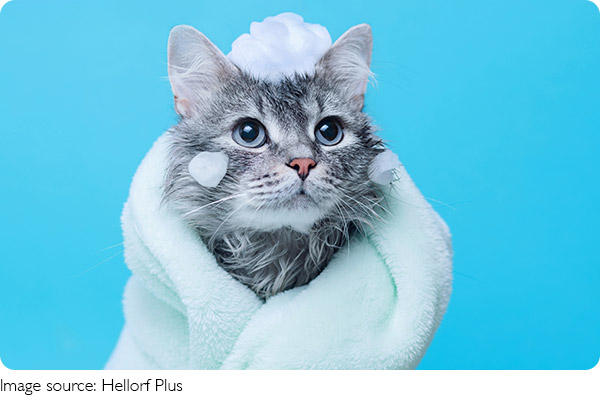
Watching a cat shake off after a bath can be both hilarious and chaotic, but the real challenge starts before you even turn on the water.
Bathing a cat isn't just about cleanliness—it's about making the experience as safe and stress-free as possible.
With some preparation and understanding of your cat's behavior, you can make bath time manageable and even enjoyable.
Prepare Your Space and Supplies
A calm environment is key to a successful cat bath. Before you start, gather everything you'll need so you don't have to leave your cat unattended:
1. Shampoo formulated for cats – Avoid human or dog shampoos; cat skin is sensitive.
2. Towels – Have at least two: one to line the tub and one for drying.
3. Cup or handheld sprayer – Gentle pouring reduces sudden water splashes.
4. Gloves – Optional, but helpful for cats who scratch.
5. Treats – For rewarding calm behavior and easing stress.
Place a non-slip mat or towel in the sink or shallow tub to prevent slipping. A quiet room away from other pets and distractions helps your cat feel secure.
Get Your Cat Comfortable with Water
Jumping straight into a full bath can cause panic. Gradual acclimation works best:
1. Introduce shallow water – Fill the sink with just an inch or two of lukewarm water. Let your cat step in on their own.
2. Use positive reinforcement – Offer treats or gentle petting to encourage calmness.
3. Practice running water sounds – Turn on the faucet briefly so your cat gets used to the sound before pouring water on them.
Spend a few sessions just letting your cat explore water without shampoo to reduce fear. Even a few minutes of practice a day can make a noticeable difference.
Bathing Techniques
Once your cat is comfortable, you can start the actual bath. Gentle, controlled movements are crucial:
1. Wet gradually – Use a cup or handheld sprayer to wet the body slowly, avoiding the head at first.
2. Apply shampoo carefully – Massage lather gently into the fur, focusing on dirty areas. Keep the face and ears dry.
3. Rinse thoroughly – Residual shampoo can irritate the skin, so rinse until the water runs clear.
4. Clean the face separately – Use a damp cloth to wipe the eyes, nose, and mouth area.
Keep your voice calm and soothing throughout. Talking softly reassures your cat that the situation is safe.
Drying Your Cat Safely
How you dry your cat affects both comfort and safety. Cats generally dislike forced drying:
1. Towel drying first – Gently blot the fur with a soft towel. Avoid rubbing aggressively.
2. Use multiple towels if needed – Cats often shake off excess water, so keep one towel handy for repeated drying.
3. Consider a quiet hair dryer – Only if your cat tolerates it; keep on low heat and at a safe distance.
Ensure the room is warm to prevent chilling, and reward your cat with treats or play afterward to associate bath time with positive outcomes.
Frequency and Alternatives
Not every cat needs regular baths. Most groom themselves effectively, but occasional cleaning is helpful:
1. Spot cleaning – Wipe dirty paws or fur with a damp cloth instead of a full bath.
2. Bathing kittens – Introduce baths gently when they are young to build tolerance.
3. Long-haired cats – Occasional baths help prevent matting and hairballs.
4. Use waterless shampoos – Helpful for cats who strongly dislike baths, these sprays clean fur without rinsing.
Evaluate your cat's needs individually and adapt the bathing routine accordingly.
Bathing your cat doesn't have to be a dreaded chore. With preparation, patience, and gentle techniques, you can keep your feline clean without causing stress. Over time, your cat may even learn to tolerate water and enjoy the occasional pampering session, leaving you both with a calmer and cleaner experience.