Antarctica Cruise Guide

Mei
| 24-02-2026
 · Travel team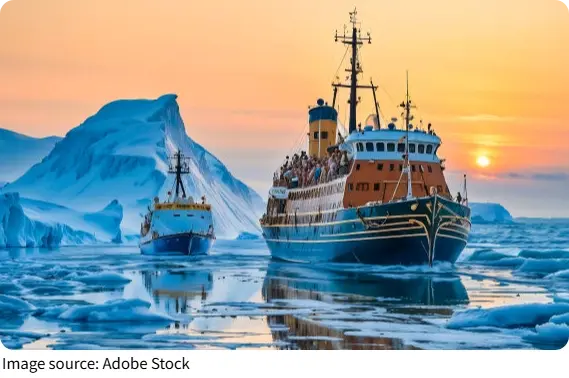
You're standing on the deck at 6 a.m., wrapped in every layer you own.
The air is sharp, the sea is silver, and ahead of you, an iceberg glows blue like it's lit from within. No city noise. No traffic.
Just wind, water, and a landscape that feels almost unreal. That's Antarctica—and getting there isn't as simple as booking a regular cruise.
Choosing the right route and ship makes the difference between a good trip and a once-in-a-lifetime one. Here's how to understand the six main Antarctic routes and which expedition cruise style fits you best.
Route 1: Antarctic Peninsula (Classic First Trip)
If this is your first time heading south, the Antarctic Peninsula route is the most popular—and for good reason. Most voyages depart from Ushuaia, Argentina. You'll cross the Drake Passage (about two days at sea) before reaching the Peninsula's icy bays and wildlife-rich shores.
What you'll experience:
- Zodiac landings on rocky beaches filled with penguins.
- Glacier walks and short guided hikes.
- Close views of humpback and minke whales.
Trip length: 10–12 days
Typical cost: $6,000–$12,000 per person
Best time: Late December to February for peak wildlife activity
Practical tip: Choose a ship with fewer than 200 passengers. Antarctic regulations limit shore landings to 100 people at a time. Smaller ships mean more time ashore and less waiting.
Arrive in Ushuaia at least one day early. Flights can be delayed, and you don't want to miss departure.
Route 2: Peninsula + South Shetland Islands
This route adds extra landings in the South Shetland Islands. You'll likely visit Deception Island, where you can walk inside a volcanic caldera, and Half Moon Island, known for chinstrap penguins.
Why choose this?
- More geological variety.
- Additional wildlife colonies.
- Fewer repeat landing sites compared to shorter trips.
Trip length: 11–13 days
Cost range: $7,000–$14,000
Local tip: On Deception Island, wear waterproof boots that rise above the ankle. The volcanic sand can be wet and slushy. Most expedition companies provide boots onboard, but confirm in advance.
Route 3: Antarctic Circle Crossing
Crossing the Antarctic Circle (66°33′ South) is a milestone many travelers aim for. It requires favorable sea and ice conditions, so flexibility is key.
What's special:
- Fewer ships reach this far south.
- Larger icebergs and dramatic pack ice.
- A ceremonial celebration when you cross the line.
Trip length: 12–14 days
Price: $9,000–$18,000
Actionable advice: Choose a voyage in January or February. By then, sea ice has melted enough to allow deeper navigation. Early-season trips (November) often can't reach the Circle.
Expect longer daylight hours—nearly 20 hours of light—so bring a sleep mask.
Route 4: Falklands + South Georgia + Peninsula
This is the “wildlife superhighway” route. You'll visit the Falkland Islands and South Georgia before Antarctica itself.
Why it's worth the extra days:
- Massive king penguin colonies in South Georgia.
- Historic explorer sites like Grytviken.
- Albatross and seal populations in huge numbers.
Trip length: 18–23 days
Cost: $15,000–$30,000
Specific planning note: This route involves more open-ocean sailing. If you're prone to motion discomfort, choose a larger, stabilized expedition vessel and pack medication prescribed by your doctor.
This is ideal if your priority is maximum wildlife and epic landscapes.
Route 5: Fly-Cruise Option
Not excited about crossing the Drake Passage? Some operators offer fly-cruise itineraries. You fly from Punta Arenas, Chile, to King George Island and board the ship there.
Benefits:
- Skip two days at sea each way.
- Reduce weather-related delays.
- Ideal for travelers with limited time.
Trip length: 8–10 days
Price: $10,000–$18,000
Important detail: Flights are weather-dependent. Build flexibility into your return schedule. Don't book an international flight home on the same day the expedition ends.
Route 6: Extended Expedition (Weddell Sea)
The Weddell Sea route explores the eastern side of the Peninsula. It's colder, more remote, and known for tabular icebergs.
Why go:
- Dramatic ice formations.
- Fewer vessels operating here.
- Strong historical exploration legacy.
Trip length: 12–15 days
Cost: $11,000–$20,000
This route is for travelers who value remoteness and raw scenery over comfort predictability.
Choosing the Right Ship
Route matters, but so does the vessel.
Here's how to decide:
- Passenger count
Ships under 200 guests allow smoother landings. Ships under 100 feel intimate but may have fewer onboard amenities.
- Cabin type
A porthole cabin saves money, but if you're prone to seasickness, choose a mid-ship cabin on a lower deck. It's more stable.
- Expedition team ratio
Look for at least one guide per 10–15 passengers. More guides mean better wildlife interpretation and safer landings.
Onboard gear
Most companies provide parkas and rubber boots. Confirm before packing heavy items.
When to Go
The Antarctic season runs November through March.
- November: Pristine snow, penguin courtship.
- December–January: Penguin chicks hatch. Long daylight hours.
- February–March: Peak whale sightings.
If wildlife photography is your goal, late February offers rich marine life activity.
Standing at the edge of the world isn't about luxury or bucket lists. It's about scale—realizing how small you are in the best possible way. If you're going to make the journey, choose the route that matches what excites you most: wildlife, geography, milestones, or remoteness.
When you finally step onto that icy shore, hearing nothing but wind and distant cracking ice, you'll know the planning was worth it.