Greenland’s Frozen Majesty

Celia
| 24-02-2026
 · Travel team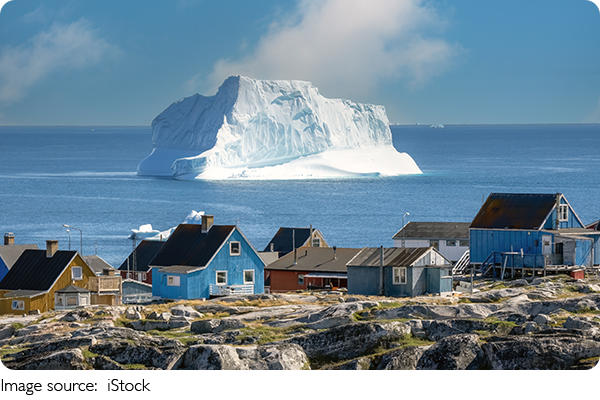
Greenland stretches like a frozen continent, where silence feels almost tangible and the horizon is an endless canvas of ice and sky. Stepping off a small plane into Nuuk, the capital, you immediately notice the crisp air and muted colors of the landscape.
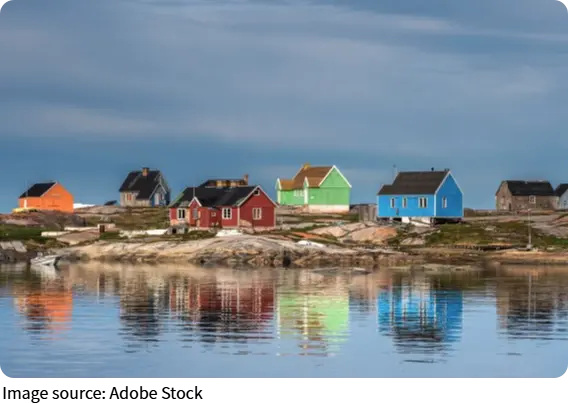
Small towns cling to fjords, their brightly painted houses standing out against snowy backdrops. Traveling here is not about rush—it's about immersing yourself in vast spaces and letting nature's scale sink in. From massive glaciers to shimmering icebergs floating in fjords, Greenland offers experiences that feel rare in today's crowded world.
Glaciers and Icebergs: Nature's Sculptures
Greenland is home to some of the largest glaciers outside Antarctica. Ilulissat Icefjord, a UNESCO World Heritage Site, is particularly breathtaking. Icebergs break off the Sermeq Kujalleq Glacier and drift slowly into Disko Bay, creating a spectacle of blues and whites. Boat tours are the most common way to get close, costing around $80–$120 per person for a half-day excursion. For photographers, the best light is early morning or late afternoon when the sun casts long shadows across the icy surfaces. Remember to dress in layers and bring waterproof gear—the fjord's spray can be surprisingly cold even in summer.
Fjords and Coastal Towns
The fjords of Greenland are lifelines, connecting small communities that rely on both fishing and tourism. Towns like Sisimiut and Tasiilaq offer a glimpse into daily life far from urban bustle. Walking along wooden docks, you'll see locals preparing boats or tending small greenhouses, adapting to a landscape where summers are brief. Small guesthouses provide cozy accommodations, often including meals sourced from local fish and game. Transportation between towns is mainly by boat or small plane, making planning essential. Booking flights and accommodations months in advance ensures smoother travel, especially during the busy summer months.
Wildlife Encounters
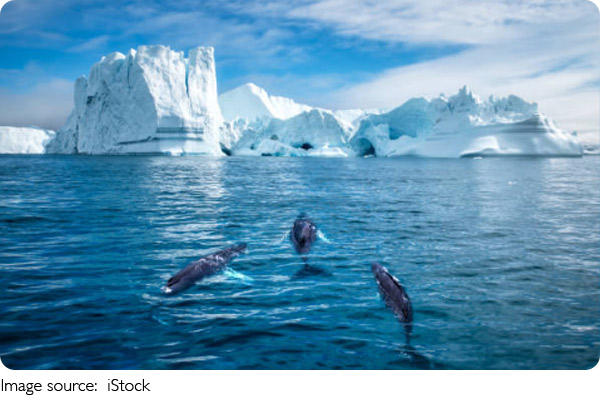
Despite the harsh climate, Greenland supports a surprising variety of wildlife. In coastal waters, humpback whales and orcas are frequent visitors during summer, while Arctic foxes and reindeer roam tundra regions. Guided tours offer safe wildlife observation without disturbing the delicate ecosystems. Birdwatchers can spot puffins, guillemots, and Arctic terns nesting along cliffs. A binocular set and patience are essential; wildlife often keeps a distance, adding to the thrill of spotting them in their natural habitat.
Local Culture and Traditions
Greenland's inhabitants, primarily Inuit, maintain strong cultural traditions that are closely tied to the land. Visiting small settlements gives insight into subsistence lifestyles and community practices. Traditional handicrafts, including carved figures and woven garments, are available in local markets and provide meaningful souvenirs. Many guided tours include storytelling sessions, offering perspectives on local folklore, hunting traditions, and historical encounters with explorers. These experiences highlight the resilience and adaptation of Greenland's communities in an environment that can be as challenging as it is beautiful.
Practical Tips for Travelers
- Plan extra time between connections. Weather in Greenland can delay flights and boats, so avoid tight schedules.
- Pack smart layers. Even in summer, temperatures can shift quickly between sun, wind, and icy conditions.
- Download maps and important information in advance, as internet access can be slow or limited in remote areas.
- Respect local communities and nature. Stick to marked paths and follow guidance from local guides.
- Bring a good camera and extra batteries—the cold can drain power quickly, and you'll likely be taking many photos.
- Consider travel insurance that covers weather delays and remote destinations.
Best Time to Visit
Summer, from June to August, is the most accessible period for tourists. Temperatures are mild, often between 40–60°F (5–16°C), and days are long, with the midnight sun illuminating landscapes around the clock. Winter visits, although more challenging due to extreme cold and limited daylight, offer opportunities to witness the aurora borealis, a dazzling display of green and purple light dancing across the Arctic sky. Whether summer or winter, layering clothing and having waterproof outerwear are essential for comfort.
Planning Your Greenland Adventure
Traveling in Greenland requires some preparation. Flights from Reykjavik or Copenhagen are common entry points, and once on the island, small planes or boats connect major towns. Currency is the Danish krone, and credit cards are widely accepted, though smaller settlements may prefer cash. Guided tours are highly recommended for glacier hikes or fjord excursions, ensuring safety and providing deeper context about the environment. Bring sturdy boots, thermal clothing, and a camera—Greenland's landscapes are worth capturing.
Reflections on the Arctic Frontier
Greenland teaches patience and perspective. Here, the world feels bigger, quieter, and more profound. Each glacier, iceberg, and fjord is a reminder of the power and beauty of nature in its purest form. Exploring Greenland is less about ticking off attractions and more about absorbing a rhythm of life dictated by ice, water, and sky. When you leave, it's not just photographs you take home, but a sense of how vast and fragile our planet truly is.
Next time you consider a journey far from the ordinary, remember Greenland's frozen expanses. It's a place that invites quiet wonder, deep reflection, and an appreciation for the extraordinary resilience of both nature and human communities.