Puffin Island Adventure

Santosh Jha
| 10-02-2026
 · Animal team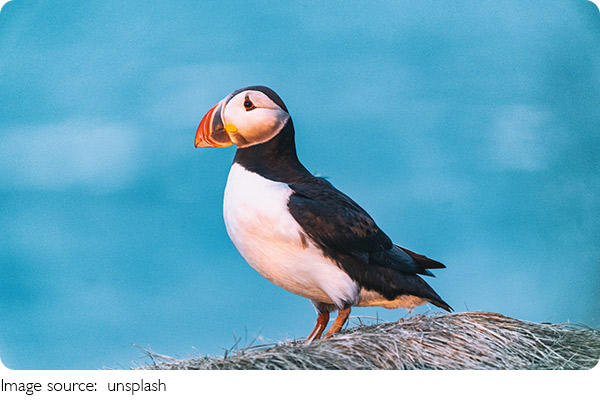
Lykkers, have you ever imagined stepping onto an island buzzing with colorful birds and the sound of the sea? The Isle of May, located in the Firth of Forth near Anstruther in Scotland, is a paradise for nature lovers.
Here, we can witness one of the most delightful seabirds of the northern Atlantic—the Atlantic puffin (Fratercula arctica).
The island is home to large colonies of puffins and other seabird species, creating a spectacle of nature that’s hard to forget.
Where Puffins and Seabirds Gather
The Isle of May is a protected nature reserve, famous for its dense seabird colonies. Puffins return here every spring to breed, and the island also hosts guillemots, razorbills, kittiwakes, and shags. The cliffs and rocky shores provide ideal nesting spots, safe from most predators.
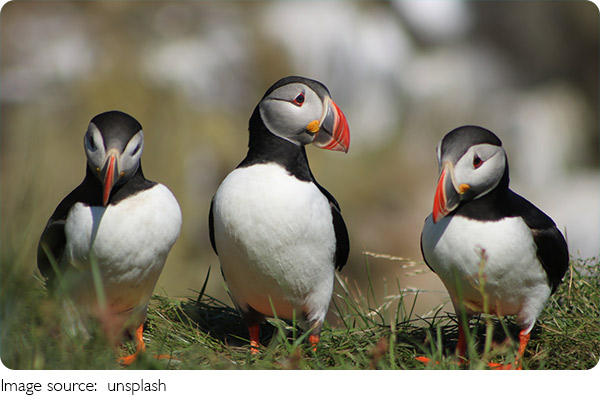
Puffins especially favor burrows they dig on cliff edges or in softer soil patches. During peak season, we can see hundreds of puffins waddling along the cliffs or flying out to sea, their bright beaks and orange legs shining in the sunlight.
What Makes Puffins So Special
Atlantic puffins are small, striking seabirds with black backs, white bellies, and light gray cheek patches. Their wide, colorful beaks—red, yellow, and black—contrast sharply with their dark feathers. In spring and summer, these features are most vivid, making puffins easy to spot even from a distance.
Young puffins, called pufflings, have more subdued colors but are just as adorable. Observing their waddle and dive into the sea is a highlight for anyone visiting the Isle of May.
Timing Your Visit
For the best experience, we should plan a trip between late April and August, when puffins are nesting and feeding their chicks. Boats depart from Anstruther daily during the season, usually taking around 30–45 minutes to reach the island. Tickets generally cost about $30–$35 per visitor, with discounts for children or groups. Morning trips are often calmer with better lighting for photography, while afternoons can bring more bird activity as mature birds return with food.
Practical Tips for Observing Seabirds
When we visit the Isle of May, binoculars and cameras are essential to capture the birds’ antics. We should stick to designated paths to avoid disturbing nesting areas, and wear sturdy shoes because the terrain is uneven and rocky.
Sunscreen, windproof jackets, and hats are recommended as the island can be windy and exposed. Guided tours are highly recommended—they provide detailed information about the puffins and other seabirds, plus the best spots to observe them safely.
Other Wildlife and Scenic Highlights
While puffins are the star attraction, the Isle of May hosts other fascinating wildlife. Grey seals often rest on the rocky shores, and we can spot eider ducks, terns, and cormorants throughout the island. The combination of vibrant seabird colonies, crashing waves, and scenic cliffs makes it perfect for photography, nature sketches, or simply soaking in the beauty of the Scottish coast.
Why We Love the Isle of May
We come to the Isle of May not just to see puffins, but to experience the rhythm of nature up close. Watching seabirds dive into the Firth of Forth, listening to their calls, and seeing the colorful puffins bobbing on the waves creates a sense of wonder. It’s a reminder of how lively and resilient wildlife can be in the northern seas. The Isle of May offers an unforgettable experience, whether we are casual visitors or passionate birdwatchers.
Parting Thoughts
Lykkers, a visit to the Isle of May is more than a sightseeing trip—it’s a chance to connect with nature and witness the charm of Atlantic puffins and other seabirds in their natural habitat. By visiting responsibly and appreciating their environment, we can enjoy this spectacular wildlife while helping preserve it for future generations. So next time we’re in Scotland, let’s set sail to the Isle of May and watch these delightful seabirds brighten our day!