Do You Really Need a Sofa?

Santosh Jha
| 09-02-2026
 · Lifestyle team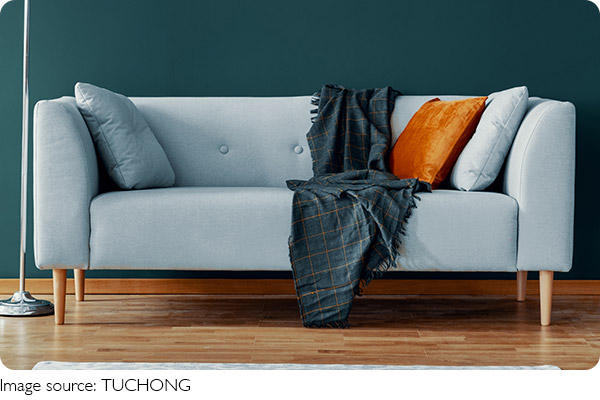
Walk into any living room and the sofa often dominates the space.
But does your home truly need one, or is it just a habit we follow? Rethinking seating can open up possibilities for comfort, flow, and creativity.
Rethinking Space and Function
A living room isn't just for sitting—it's a hub for reading, chatting, or playing games. Removing the sofa can make the room feel lighter and more flexible.
Modular seating – Floor cushions, poufs, or low benches can be rearranged depending on activity. For example, scatter cushions around a coffee table for game night or movie watching.
Open space – Skipping a bulky sofa can create an airy feel. This works especially well in smaller apartments where a traditional sofa can overwhelm the room.
Functional zones – Without a sofa, you can define areas with rugs, shelves, or plants instead. This gives each corner a purpose while keeping the room open.
Actionable example: Try removing your sofa for a weekend and use cushions or stools to see how it affects movement and comfort.
Alternative Seating Options
Not everyone enjoys the same style of seating, and a sofa isn't the only option for relaxing.
Armchairs or lounge chairs – One or two stylish chairs can create a cozy conversation area without the bulk of a sofa. Pair them with a side table for drinks or books.
Daybeds or futons – These give the option to lie down or sit, offering versatility for naps or guests.
Built-in seating – Window benches or storage benches can double as seating and storage, making the room both practical and stylish.
Actionable example: Place two comfortable chairs facing each other with a small rug underneath to encourage conversation and create a focal point.
Consider Lifestyle and Habits
The choice to skip a sofa depends heavily on how you live in your space.
Frequent guests – If you host often, flexible seating like poufs and chairs can be rearranged to accommodate groups.
Quiet home life – For reading or solo work, a single lounge chair or a low bench may suffice.
Families with kids – Floor seating can be safer and easier to clean than a large sofa that gathers crumbs or spills.
Actionable example: Observe how your family naturally uses the living room over a week. If most sitting occurs in chairs or on the floor, a sofa may be unnecessary.
Decor and Visual Impact
Without a sofa, the room's design can feel lighter and more creative.
Focus on colors – Rugs, cushions, and wall art can define the space without a sofa. Bright patterns on the floor or vibrant throws on chairs can create visual interest.
Layer textures – Combine soft rugs, woven poufs, or wooden benches to keep the room warm and inviting.
Flexible layout – Moving furniture around becomes easier without a large sofa as a fixed anchor. You can switch from a quiet reading space to a social gathering in minutes.
Actionable example: Experiment with a colorful rug and several floor cushions to see how much personality a room can have without a sofa.
Embracing Minimalism and Comfort
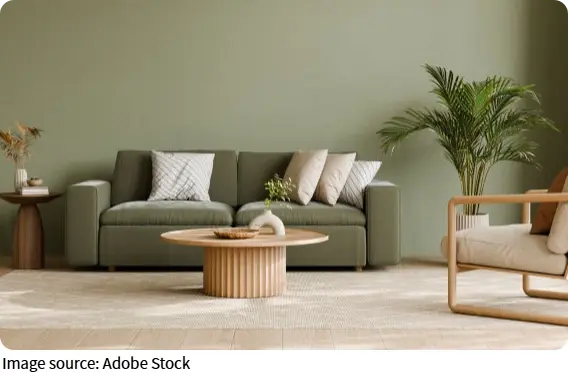
Skipping a sofa encourages a minimalist, open feeling without sacrificing comfort. It invites creativity in seating choices and room layout.
Adaptable seating – Choose pieces that can be moved for different purposes, like foldable chairs or stackable stools.
Visual flow – Open pathways make rooms feel larger and more welcoming.
Personal expression – Without a traditional sofa, you can mix styles, colors, and textures in ways that feel more individual and intentional.
Actionable example: Create a “conversation circle” with a rug and cushions, then bring in a chair or two when needed for extra guests.
A sofa isn't mandatory in every living room. By thinking about function, alternative seating, lifestyle, decor, and comfort, you can design a space that's flexible, personal, and inviting. Sometimes, skipping the sofa is the simplest way to make a living room feel open, lively, and truly yours.