Choosing Indoor Plants

Chris Isidore
| 04-02-2026
 · Plants team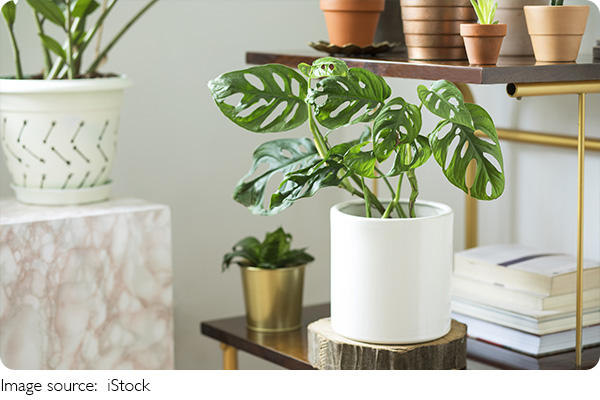
Walking into a plant shop, it's easy to get overwhelmed by the variety of greenery calling for attention. From tall leafy plants to tiny succulents, each seems perfect—but how do you know which ones truly suit your space and lifestyle?
Picking the right indoor plants isn't just about looks; it's about matching the plant's needs with your home environment and routine.
Assess Your Space
Before buying any plant, consider where it will live.
1. Light availability – Most plants need natural light, but the intensity varies. North-facing windows provide indirect light, ideal for ferns or snake plants, while south-facing windows are great for sun-loving plants like cacti or jade plants.
2. Temperature and humidity – Some plants thrive in warm, humid conditions, while others handle dry air well. For instance, orchids enjoy higher humidity, while pothos are more tolerant of fluctuating indoor temperatures.
3. Space constraints – Think about the plant's growth potential. A fiddle leaf fig can become tall and wide, so it needs room, whereas a small aloe or succulent can fit on a shelf or desk.
Actionable example: Measure the height and width of the intended spot and check the mature size of the plant before purchasing.
Consider Your Care Routine
Not all plants need the same attention. Matching your routine to the plant's care requirements ensures it thrives.
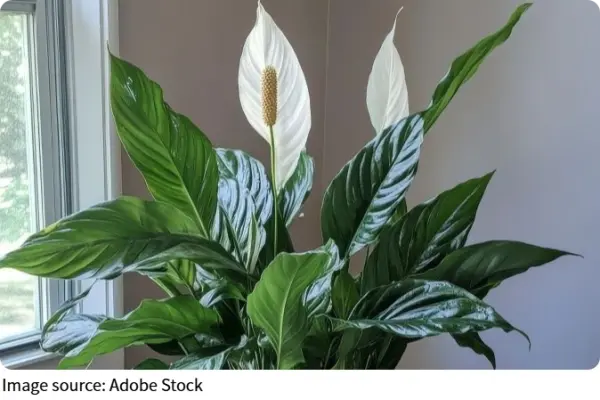
1. Watering frequency – Some plants like consistent moisture, like peace lilies, while succulents store water and need occasional watering.
2. Maintenance needs – Large leafy plants may require periodic dusting or pruning. Air plants and low-maintenance cacti are ideal if you prefer minimal upkeep.
3. Growth speed – Fast-growing plants like pothos may require frequent repotting, while slower growers are easier to manage.
Actionable example: If you often forget to water, select drought-tolerant plants like snake plants or ZZ plants to reduce stress.
Check Plant Health
Choosing a healthy plant at the start saves frustration later.
1. Inspect leaves – Look for vibrant color, no yellowing or brown spots, and no holes from pests.
2. Examine roots – Gently check if roots are firm and white, not brown or mushy, which can indicate overwatering or disease.
3. Look for pests – Check under leaves and along stems for tiny insects or sticky residue.
Actionable example: Tap the soil lightly to see if it holds moisture. Soil that's soggy or smells musty may indicate a plant at risk.
Match Plant Type to Purpose
Indoor plants can do more than look pretty—they can enhance air quality, reduce stress, or create a design focal point.
1. Air-purifying plants – Spider plants and Boston ferns remove toxins and improve air quality.
2. Decorative accents – Bold-leafed plants like monstera or rubber plants make a statement in living areas.
3. Functional greenery – Herbs grown in small containers add aroma and flavor to your kitchen.
Actionable example: Place a trailing plant on a high shelf for a cascading visual effect, or a tall leafy plant in an empty corner to fill space elegantly.
Consider Longevity and Growth
Some plants live for decades with proper care, while others may last a season or two. Think about how permanent you want your indoor greenery to be.
1. Long-lived plants – Fiddle leaf figs, rubber plants, and snake plants can thrive for years if maintained.
2. Short-term or seasonal plants – Some flowering indoor plants may bloom beautifully but have shorter lifespans.
3. Growth patterns – Some plants expand horizontally, while others grow vertically. Knowing this helps prevent overcrowding.
Actionable example: Pair slow growers with faster-growing species in larger containers to balance space and visual impact.
Selecting indoor plants is a balance of aesthetics, environment, and your personal care style. Take your time, observe your space, and choose greenery that brings joy and thrives in your home. Over time, these plants can transform corners, windowsills, and rooms into living, breathing spaces full of life and character.